Lung dysfunction leads to itching, liver dysfunction leads to tumors, and kidney dysfunction leads to excessive desire
The five internal organs of the human body play a vital role in our health; if problems arise, the body will exhibit a series of pathological symptoms. Today, I will share with you three specific conditions: lung dysfunction leading to itching, liver dysfunction leading to tumors, and kidney dysfunction leading to excessive desire.

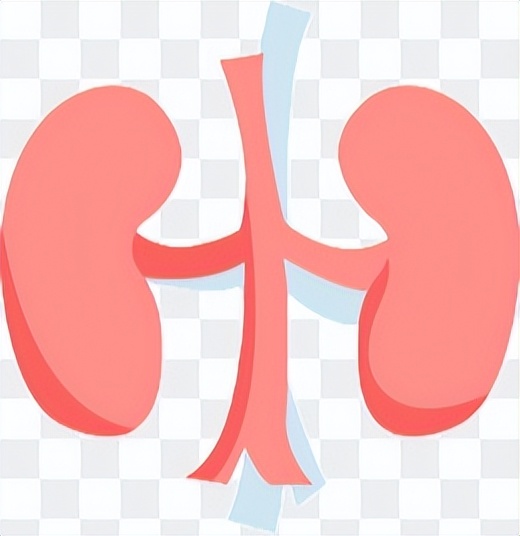
First, let's discuss "kidney dysfunction leads to excessive desire." In Traditional Chinese Medicine (TCM), it is believed that Kidney Yin allows a person to remain calm and composed. If Kidney Yin is deficient, a person's desires will become intense. At this time, due to the insufficient transformation of Kidney Essence, issues such as hypersensitivity, easy arousal, and premature ejaculation may occur. Furthermore, Kidney Yin deficiency generates deficiency fire (empty heat), leading to symptoms such as dysphoria with smothering sensation, heat in the palms and soles, night sweats, frequent but scanty dark urine, and a red tongue with thin coating. In such cases, it is necessary to nourish Yin and descend fire.
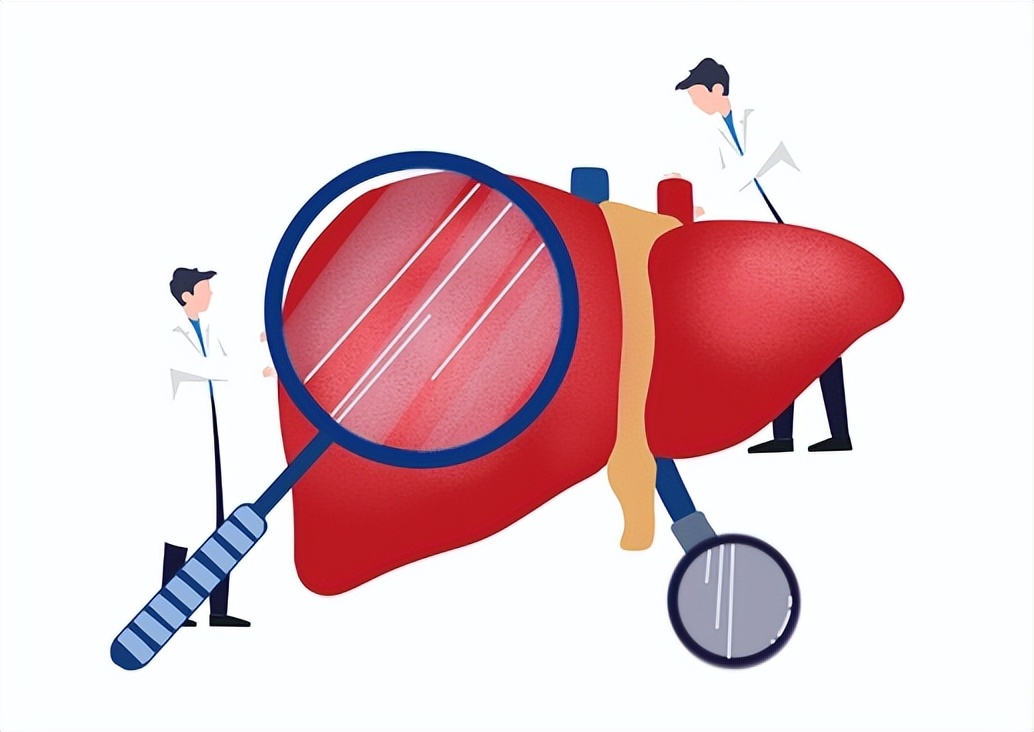
Next is "Liver dysfunction leads to tumors." Traditional Chinese Medicine (TCM) believes that the liver governs dredging and discharge, as well as emotional regulation. If liver qi is stagnated, the circulation of qi and blood will be obstructed. When liver qi invades the spleen and stomach, it easily leads to the transformation of phlegm-dampness. The collusion of phlegm and stasis facilitates the induction of nodules, cysts, and even neoplastic diseases. Furthermore, such patients often experience poor moods and a tendency to brood. TCM states that "where there is obstruction, there is pain"; thus, the obstruction of liver qi leads to symptoms such as distending pain in the chest and hypochondrium, abdominal distension, accompanied by poor appetite, loose stools, and a pale tongue with teeth marks. In such cases, it is necessary to soothe the liver and strengthen the spleen.
Finally, "Lung dysfunction leads to itching." Because insufficient lung qi weakens the dispersing function, it causes abnormalities in the nutrient and defensive (Ying-Wei) functions of the epidermis. This easily triggers skin diseases such as allergic dermatitis, skin rashes, and pruritus. Additionally, with insufficient lung qi, individuals will experience symptoms of fatigue, coughing, and shortness of breath. At this point, it is necessary to replenish and benefit the lung qi.