Qi-Induced Phlegm, Stasis-Induced Phlegm, and Cold-Induced Phlegm: Traditional Chinese Medicine's Approach to Resolving Systemic Phlegm
If you constantly feel as though there is phlegm in your throat, are prone to abdominal distension, have sticky stools, and a thick, greasy tongue coating, you likely have a phlegm-dampness constitution. Some people find that taking phlegm-resolving medications is ineffective; this indicates that the root cause of the phlegm production has not been identified. Treating only the symptoms without addressing the root cause is futile because different etiologies require different regulatory methods. Today, I will share three specific scenarios: Qi-induced phlegm, stasis-induced phlegm, and cold-induced phlegm.
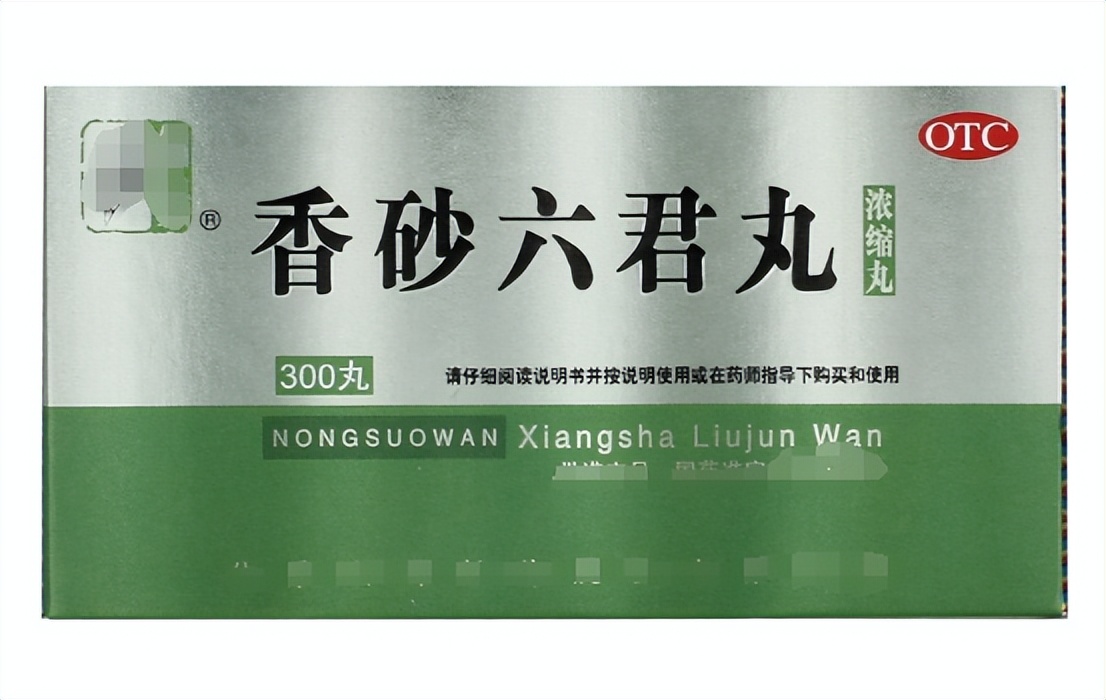
First, let's discuss Qi-induced phlegm. In addition to phlegm-dampness, these individuals often experience distension and pain under the ribs, a dry and bitter mouth, irritability, and a short temper. This condition is mostly caused by Qi stagnation leading to phlegm-dampness. The formation of phlegm-dampness is related to abnormalities in fluid metabolism. In the human body, the circulation of blood and body fluids (Jinye) requires the propulsion of Qi. If Qi circulation is obstructed and fails to move the body fluids, the fluids will stagnate over time and transform into phlegm-dampness. For this, Xiang Sha Liu Jun Wan can be referenced to circulate Qi and resolve phlegm.
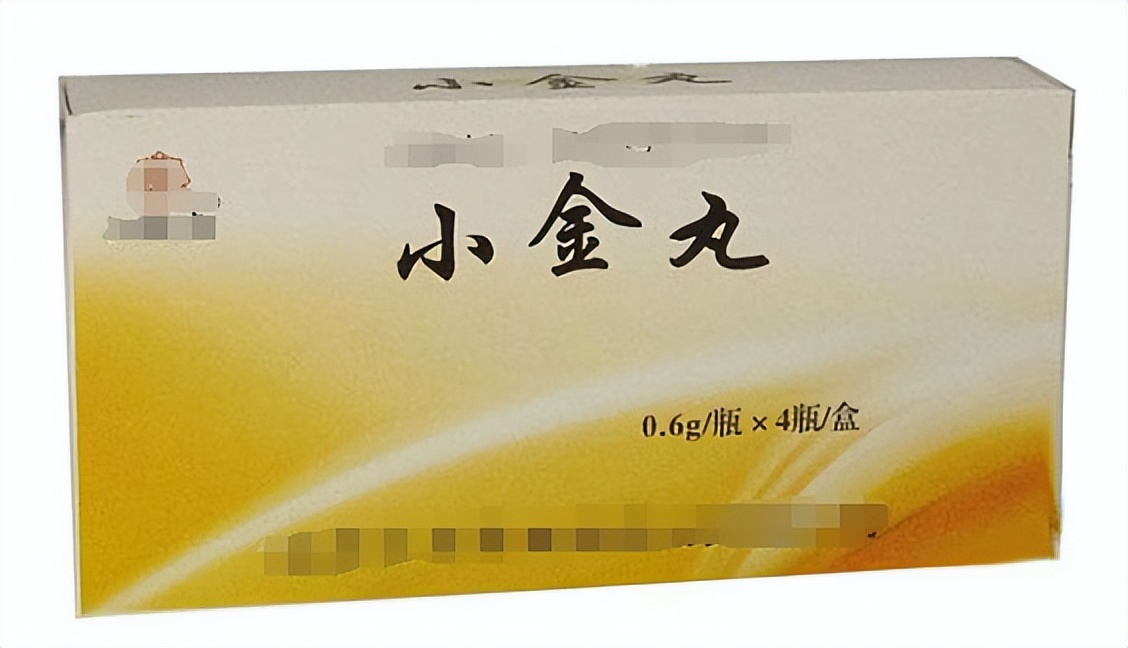
Next is phlegm generated from stasis. This "stasis" refers to blood stasis, which, like phlegm, is a pathological byproduct of the human body. Wherever stasis occurs, the circulation of Qi and blood becomes obstructed. If this stasis becomes intertwined with phlegm-dampness, it easily leads to the formation of masses, cysts, nodules, and hyperplasia. Individuals in this category typically present with a dark purple tongue, petechiae, or ecchymosis. Xiaojin Wan can be used as a reference to dissipate nodules, reduce swelling, transform stasis, and alleviate pain.
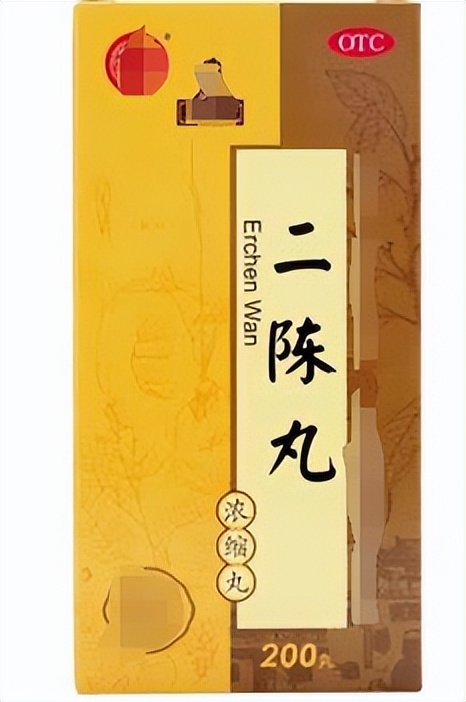
Finally, there is phlegm generated from cold. Phlegm belongs to dampness-evil; if the body's fluid metabolism is normal, it is difficult for phlegm and dampness to form. It is like a river that flows normally, but if the weather turns cold and the river freezes, the water stops flowing. The human body operates the same way: when the body is cold, fluid metabolism stagnates. Over time, dampness accumulates and generates phlegm, leading to symptoms such as aversion to cold and cold hands and feet. Erchen Wan can be used as a reference to dry dampness and transform phlegm.
However, a reminder to everyone: Traditional Chinese Medicine (TCM) medication requires syndrome differentiation (Bian Zheng). If needed, please consult a professional physician promptly for diagnosis, treatment, and conditioning.