Whether Yang Qi is Sufficient Can Be Determined by the Heart, Spleen, and Kidney

First, Heart Yang Deficiency. This is mostly caused by chronic illness leading to Spleen deficiency or sudden illness damaging the Zheng Qi (Vital Qi). The first to be affected is the Heart Qi; when Heart Qi is damaged for a long time, it eventually impacts the Heart Yang, and Heart Qi deficiency further develops into Heart Yang deficiency. Manifestations include a pale complexion, palpitations, spontaneous sweating, lethargy and somnolence, chest oppression and pain, cold intolerance, and cold extremities. The tongue may be pale or purple-dark. This occurs because the failure of Heart Yang to flourish and the depletion of Heart Qi lead to palpitations, spontaneous sweating, and mental fatigue. Furthermore, since Yang deficiency fails to warm and nourish the limbs and bones, cold intolerance and cold extremities occur. When Yang is deficient and Qi is weak, there is insufficient power to circulate the blood, leading to blood stasis, which results in chest oppression, pain, a purple-dark tongue, a pale complexion, and a pale tongue body. These are all manifestations of Yang deficiency and Qi weakness. This condition requires warming and tonifying the Heart Yang, while regulating Qi and promoting blood circulation.

Second, Spleen Yang Deficiency. This is often due to a lack of care in daily life, such as a preference for cold food or wearing thin clothing, which allows external cold to damage the Spleen Yang. Alternatively, it may stem from Spleen Qi deficiency that, over time, affects the Spleen Yang, forming Spleen Yang deficiency. These individuals present with a sallow complexion, loss of appetite, generalized aversion to cold, mental fatigue, lack of energy, shortness of breath, reluctance to speak, and loose stools. Furthermore, when Spleen Yang is deficient, the Middle Yang will certainly be insufficient, leading to abdominal pain, borborygmus (stomach growling), and a pale tongue with a white coating. This condition requires warming the middle burner, strengthening the Spleen, and "supplementing fire to generate earth."
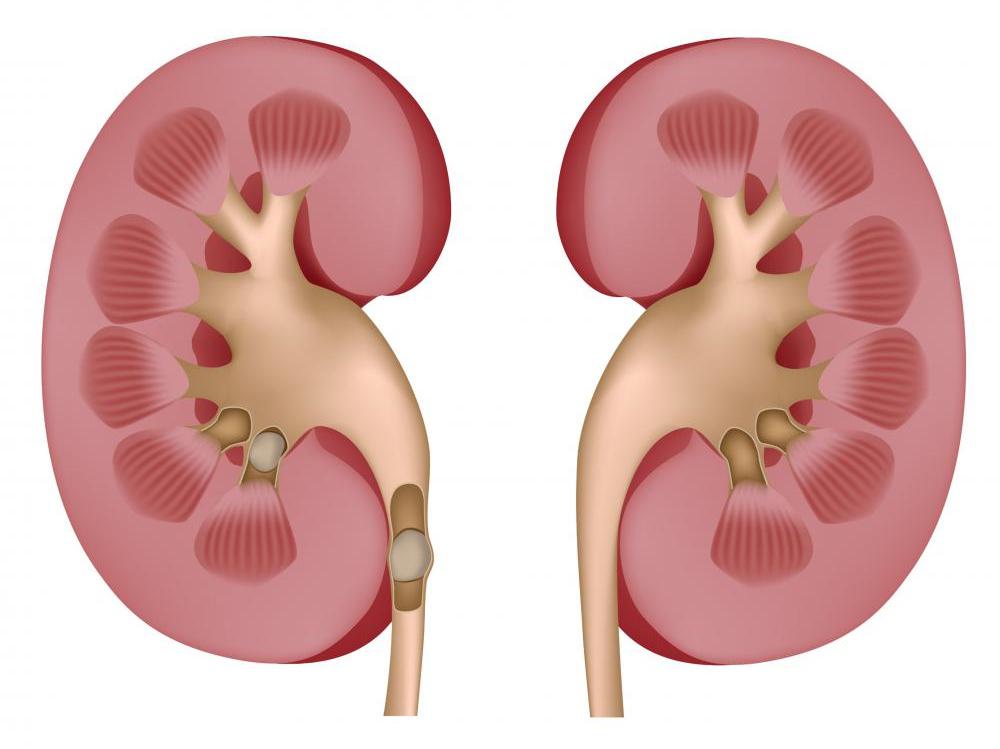
Third, deficiency of Kidney Yang. Traditional Chinese Medicine (TCM) posits that the Kidney governs the Yin and Yang of the entire body; therefore, the root of Yang Qi lies in the Kidney. If Kidney Yang is depleted due to excessive strain or lack of moderation, symptoms such as soreness and pain in the lower back, erectile dysfunction (flaccidity of the ancestral tendon), nocturnal emission, polyuria, incomplete voiding, and frequent nocturia may occur. These are often accompanied by a pale complexion, generalized aversion to cold, early morning diarrhea (cock-crow diarrhea), a pale tongue with a white coating, and a puffy tongue body with tooth marks. This is primarily caused by insufficient Kidney Yang, a failure of warming and nourishment, and an internal exuberance of Yin-cold.
However, a reminder to everyone: Traditional Chinese Medicine (TCM) medication requires syndrome differentiation (Bian Zheng). If needed, please consult a professional physician promptly for diagnosis, treatment, and conditioning.