Fuzi Lizhong Wan is ineffective? You may have overlooked these three points—be sure to remember them.
Fuzi Lizhong Wan is widely known as a Chinese patent medicine for nourishing the stomach. For individuals with Spleen and Stomach Deficiency-Cold, it is regarded as a "treasure." However, many people find that the effects are not significant after use, or they even experience symptoms of "internal heat" (Shanghuo). From the perspective of Traditional Chinese Medicine (TCM), you may have overlooked three potential reasons.
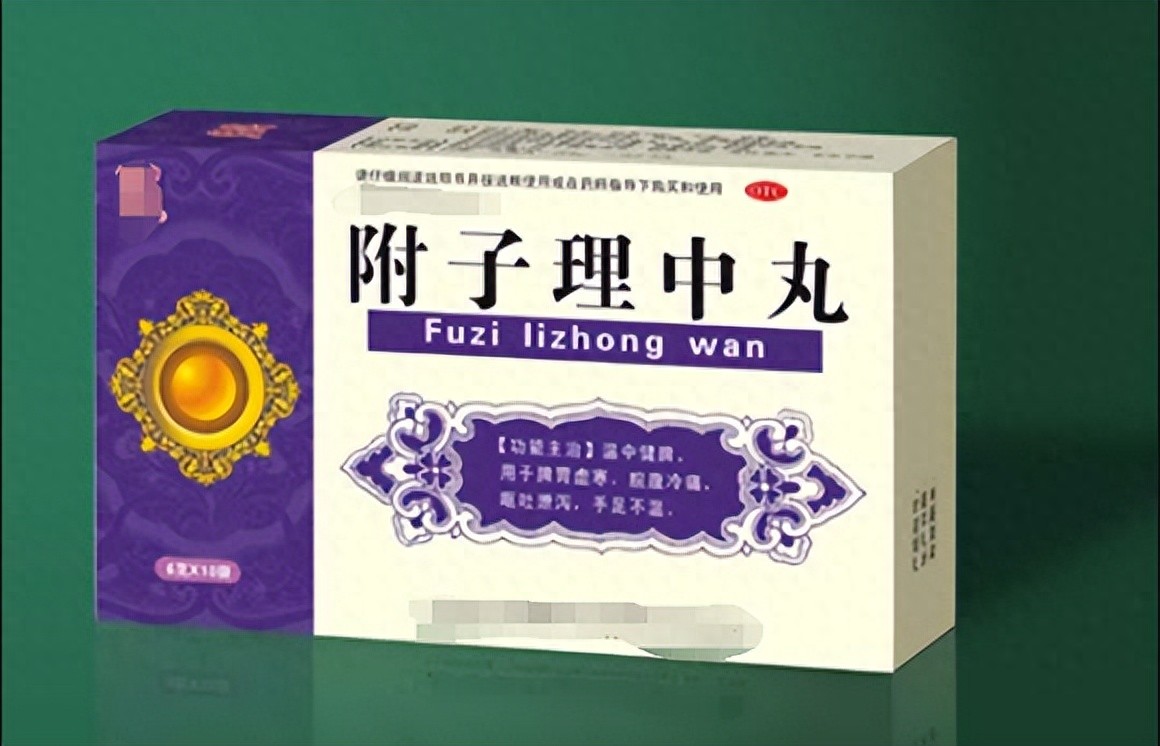
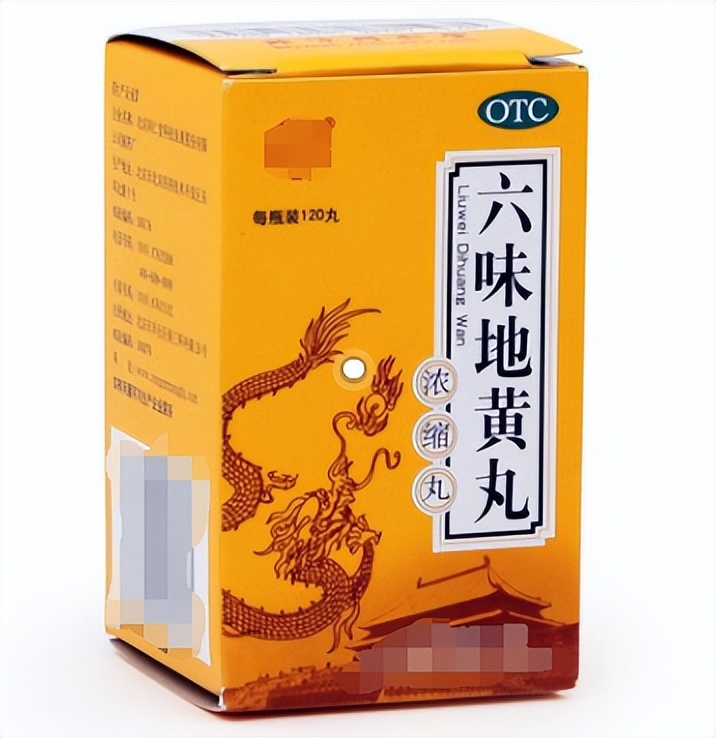
First, it may not be a case of simple Spleen and Stomach Deficiency-Cold. If you experience a cold sensation in the abdomen, a preference for warmth, an aversion to cold food, and yet have heat in the palms and soles, this is likely a manifestation of both Spleen Yang Deficiency and Kidney Yin Deficiency. Fuzi Lizhong Wan is a highly pungent and hot medication; if there is Yin Deficiency in the body, it is unsuitable, as it may exacerbate the condition. In such cases, one could consider using Liuwei Dihuang Wan in conjunction with Fuzi Lizhong Wan to prevent the occurrence of "internal heat."
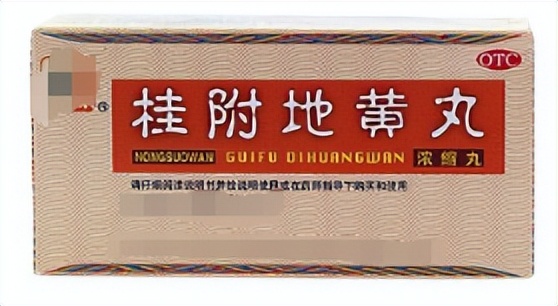
Second, you have phlegm-dampness in your body. People with a weak Spleen and Stomach are prone to developing phlegm-dampness, which can generate damp-heat over time. In this case, using Fuzi Lizhong Wan may instead trigger Stomach fire. Therefore, you can start by tonifying the Kidney. The Kidney governs the Yin and Yang of the entire body; if Kidney Yang is deficient, Spleen Yang will also be insufficient. At this stage, warming the Lower Jiao is more effective than warming the Middle Jiao. Simultaneously, one must also consider nourishing Kidney Yin; Guifu Dihuang Wan can be referenced for conditioning.
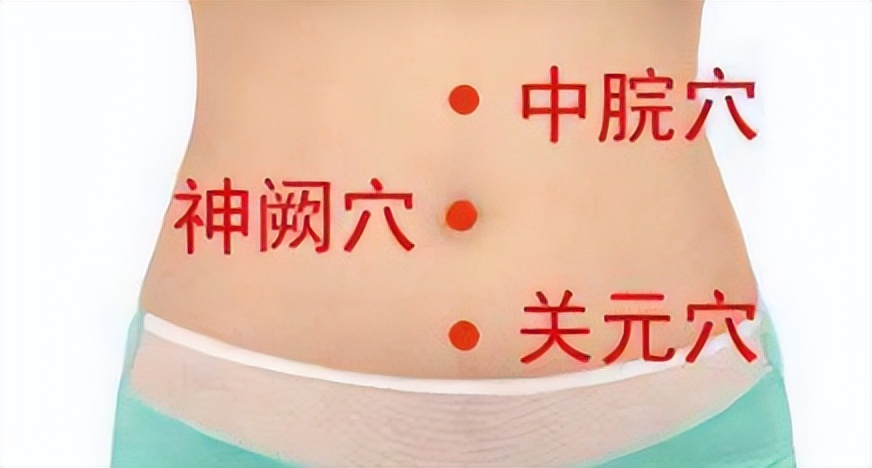
Third, there is a lack of channel-ushering medicinal herbs (Yinjing Yao). If it is confirmed that you have Yang deficiency and cold intolerance, but the results are not ideal, it is because the potency of the Chinese patent medicine is insufficient to reach the meridians directly. Since cold governs contraction and stagnation, Spleen and Stomach deficiency-cold can constrict the Qi and Blood of the Zang-fu organs and meridians, leading to symptoms such as cold extremities, aversion to cold, stomach pain, and joint pain. At this time, a guiding force can be added by using moxibustion on acupoints to introduce the effect into the meridians. Applying moxibustion to points such as Zhongwan (CV12), Shenque (CV8), and Guanyuan (CV4) can lead to better therapeutic outcomes.
However, a reminder to everyone: Traditional Chinese Medicine (TCM) medication requires syndrome differentiation (Bian Zheng). If needed, please consult a professional physician promptly for diagnosis, treatment, and conditioning.