Deficiency of Heart Yang, Spleen Yang, and Kidney Yang: TCM Reveals "Hidden Gems" to Revitalize Your Vital Energy
When it comes to Yang deficiency, many people first think of being afraid of the cold and having cold hands and feet. However, the symptoms of Yang deficiency go beyond just feeling cold. Some patients experience chest tightness, shortness of breath, cold pain in the abdomen, or diarrhea after eating even a small amount of cold food. Some even suffer from poor sleep at night. These are actually signs that other organs in our body are experiencing issues. So, how can we specifically identify these conditions?

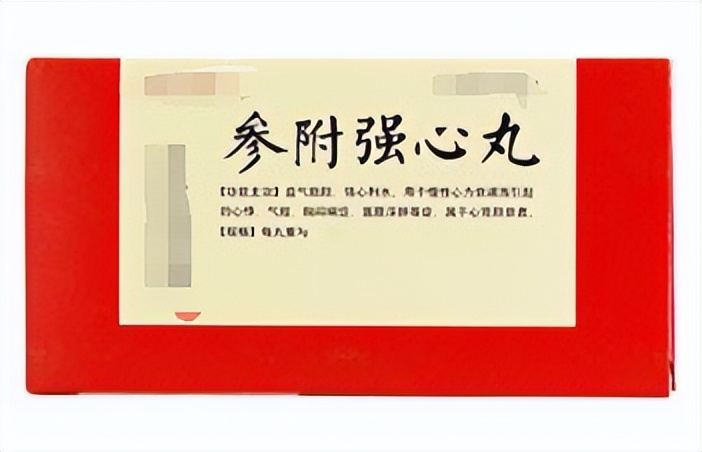
If it is Heart Yang deficiency, in addition to symptoms of palpitations, you may often feel your heart racing for no reason, as if you are anxious or startled. In severe cases, facial edema and reduced urination may occur. This happens because weak Heart Yang leads to insufficient Qi and blood circulation; when the Yang energy in the chest is lacking, these conditions arise. For this situation, we need to benefit the Qi, assist the Yang, and strengthen the heart. You may consider Shenfu Qiangxin Wan for regulation.
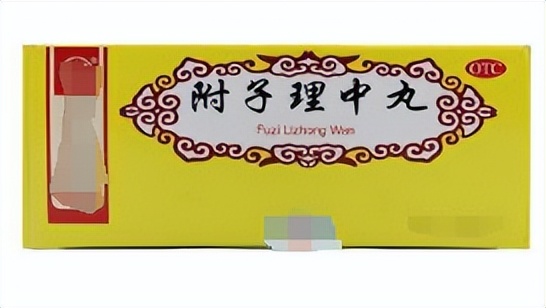
If it is Spleen Yang deficiency, one is prone to diarrhea and often feels cold pain in the abdomen, preferring to apply warmth to the area. Symptoms may even include abdominal bloating, poor appetite, cold hands and feet, and loose stools. This is mostly due to the decline of Spleen Yang, which fails to maintain normal digestion and transport functions. In such cases, we need to warm the middle burner and strengthen the Spleen; Fuzi Lizhong Wan can be considered for regulation.
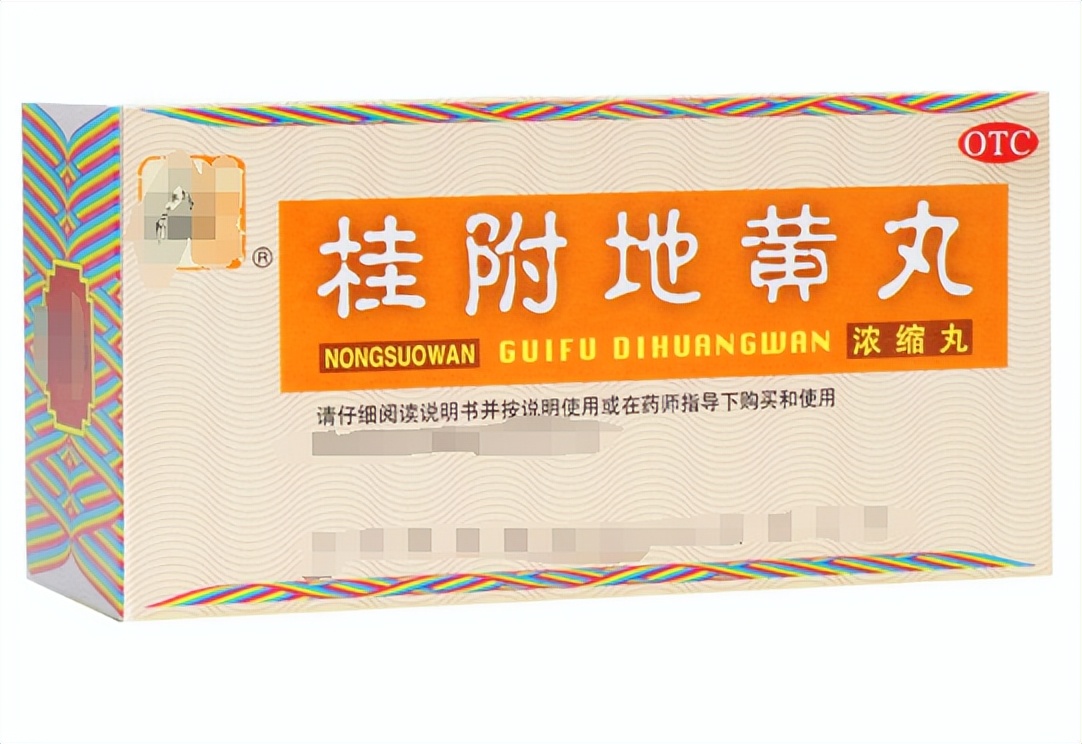
If it is Kidney Yang deficiency, one is prone to frequent urination. Traditional Chinese Medicine believes the Kidney governs the "two orifices" (urethra and anus) and manages the production and excretion of urine. Therefore, when Kidney Yang is deficient and kidney function declines, it cannot effectively control urine, leading to frequent urination and increased nocturia. Such patients are often accompanied by symptoms like aversion to cold, soreness and weakness in the lower back and knees, tinnitus, and blurred vision. In this case, we need to tonify the Kidney and warm the Yang; Guifu Dihuang Wan can be considered for regulation.
However, please note that the use of Traditional Chinese Medicine requires syndrome differentiation. If needed, please consult a professional physician for diagnosis, treatment, and conditioning in a timely manner.