Don't take medicine blindly for kidney deficiency, or you'll regret it when it's too late
Many people with kidney deficiency take supplements on their own, which not only proves ineffective but can even worsen the condition. This is actually because you haven't identified your specific type of kidney deficiency; treatment only works when it targets the root cause. Today, I will teach you how to properly nourish the kidneys.

First, if you experience symptoms such as sensitivity to cold, frequent or urgent urination, a lack of energy, or a loss of libido, it is likely a case of Kidney Yang deficiency. In Traditional Chinese Medicine, the spleen and kidneys are considered a single family; if you nourish the kidneys without supporting the spleen, the recovery will not be thorough. In this case, you can use Guifu Dihuang Wan to warm and tonify Kidney Yang, while adding Fuzi Lizhong to alleviate the symptoms of Kidney Yang deficiency.
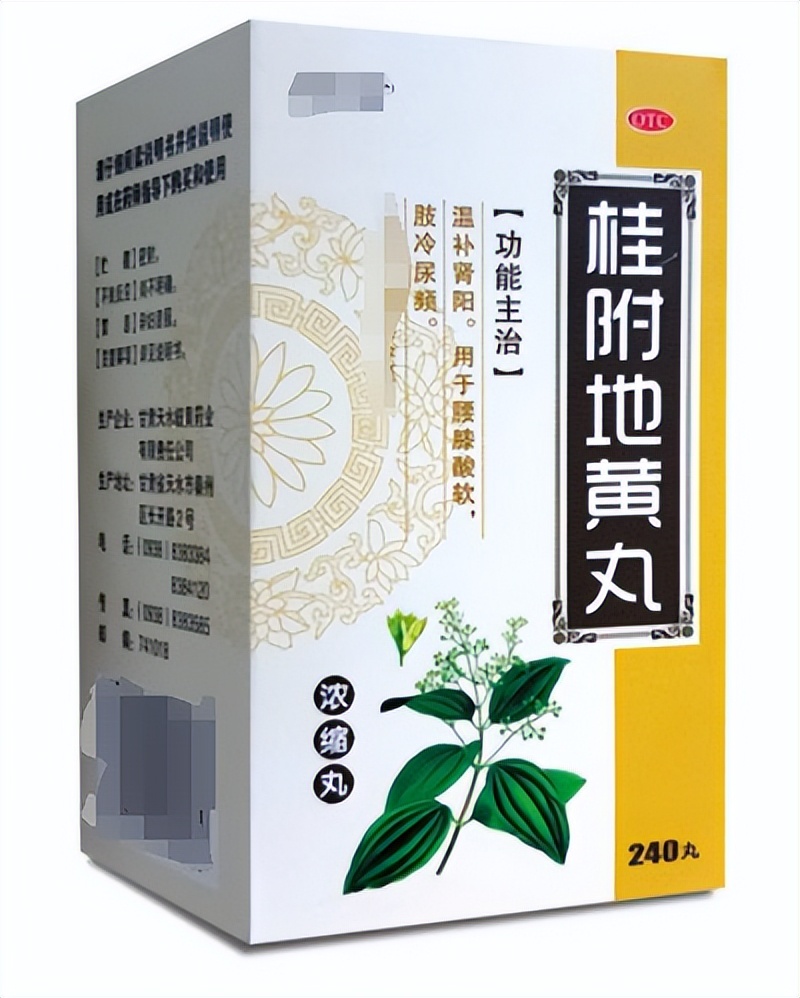
The second scenario is if you typically experience soreness and weakness in the waist and knees, dizziness, tinnitus, memory loss, dry mouth and throat, and a strong libido but always finish prematurely. These are typical symptoms of Kidney Yin deficiency. In this case, you can use Liuwei Dihuang Wan to nourish Yin, tonify the kidneys, and clear deficiency heat.
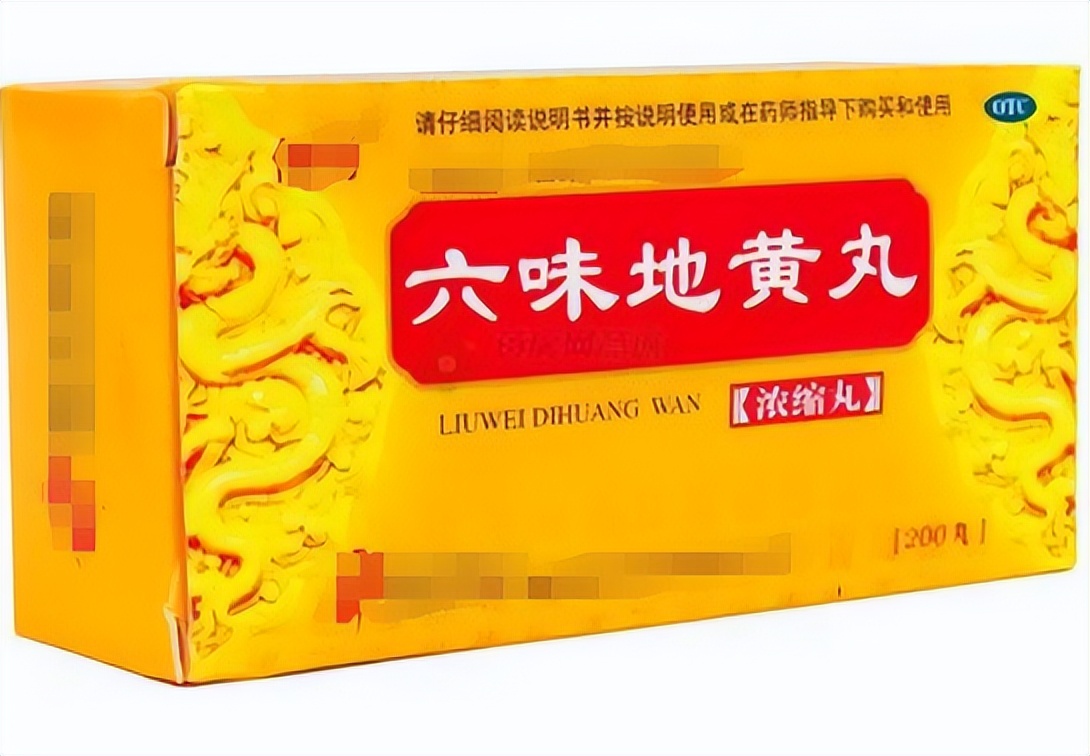
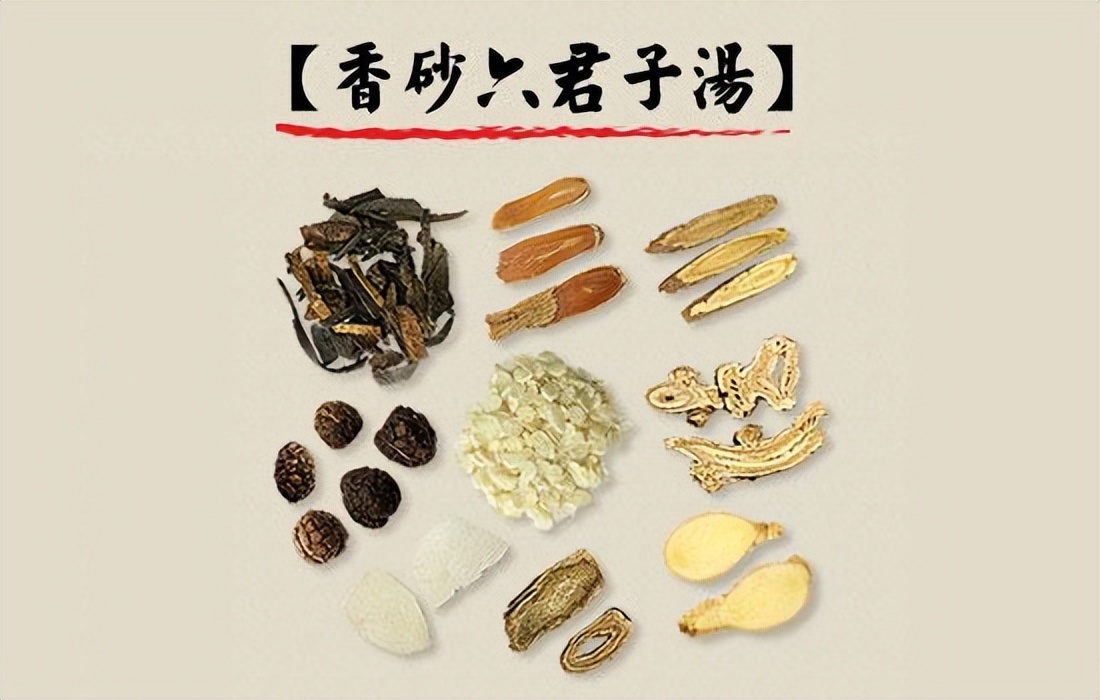
However, this only treats the symptoms. To address the root cause, it needs to be paired with Xiangsha Liujunzi Decoction to regulate the spleen and stomach and strengthen their functions. Because Liuwei Dihuang Wan is relatively "cloying" and greasy, it can cause indigestion; therefore, Xiangsha Liujunzi Decoction is used to strengthen the spleen, aid digestion, and replenish Spleen Qi. Only when the gastrointestinal function is strong can the Yin-nourishing and Kidney-tonifying effects of Liuwei Dihuang Wan be fully realized.
Please note that the use of Traditional Chinese Medicine requires syndrome differentiation. If needed, please consult a professional physician promptly for diagnosis, treatment, and conditioning.