Infuse Yang Energy into the Bones for a Warm Winter: Two Herbs Become "Hot Commodities"
If you frequently experience these four symptoms, it means it's time to replenish your Yang energy.

First: Aversion to wind, sensitivity to cold, and icy limbs. A deficiency in Yang leads to coldness. Yang energy is like the body's "little sun"; if it is insufficient, it cannot warm the limbs, resulting in symptoms of cold intolerance. Prolonged cold can also lead to issues with stasis and blockage, as well as symptoms like indigestion and cold pain in the abdomen.
The second sign is listlessness. When yang energy is deficient, a person will lack spirit and experience forgetfulness or a decline in memory.
The third sign is joint discomfort, including shoulder pain, lower back pain, and coldness or aching in the waist and knees. These are manifestations of insufficient yang energy and symptoms caused by cold coagulation.
The fourth sign is that people with yang deficiency tend to have heavy internal dampness, characterized by a swollen tongue with teeth marks. This is an issue of poor fluid metabolism. Yang governs rising and warming; when yang energy is weak, fluids accumulate to form phlegm. This phlegm-dampness then traps the spleen, leading to spleen deficiency and dysfunction.
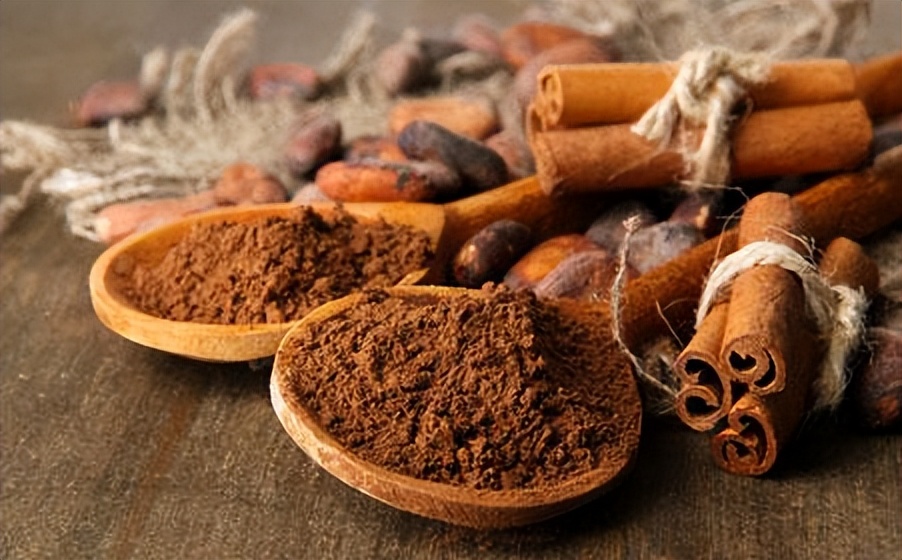
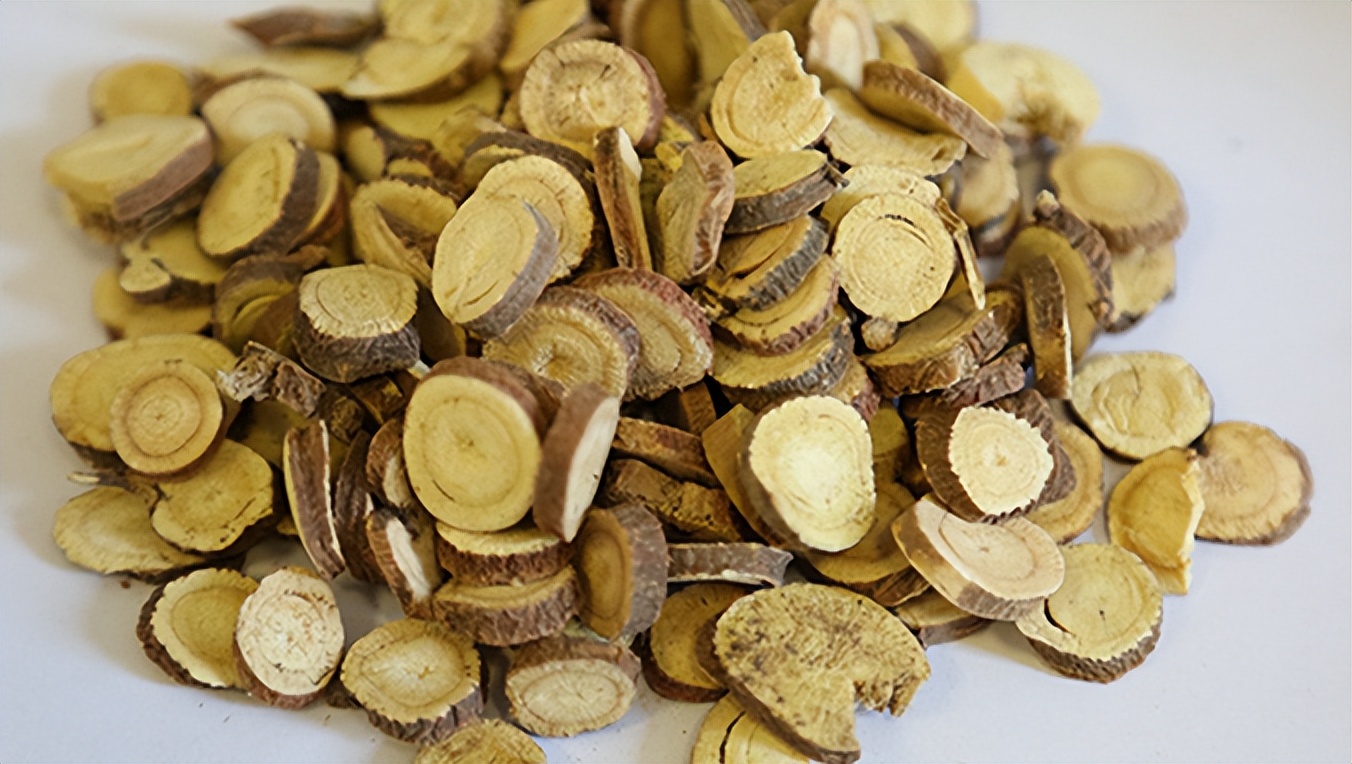
I would like to share two medicinal herbs with you to boost yang energy and dispel cold. The first is Rou Gui (Cassia Bark), which is pungent and sweet in flavor and very hot in nature. It functions to supplement fire and assist yang, dispel cold and relieve pain, warm the meridians and unblock vessels, and lead fire back to its source. The second is Bei Chai Hu (Bupleurum chinense), which is bitter and pungent in flavor and slightly cold in nature. It can soothe the liver and resolve stagnation. When paired together, they supplement yang without causing internal heat, while promoting the circulation of yang energy to dispel pathogenic cold.
Have you learned it yet?