Qi Deficiency Leads to Yang Deficiency, Blood Deficiency Leads to Yin Deficiency: One Method to Replenish Both Yin and Yang
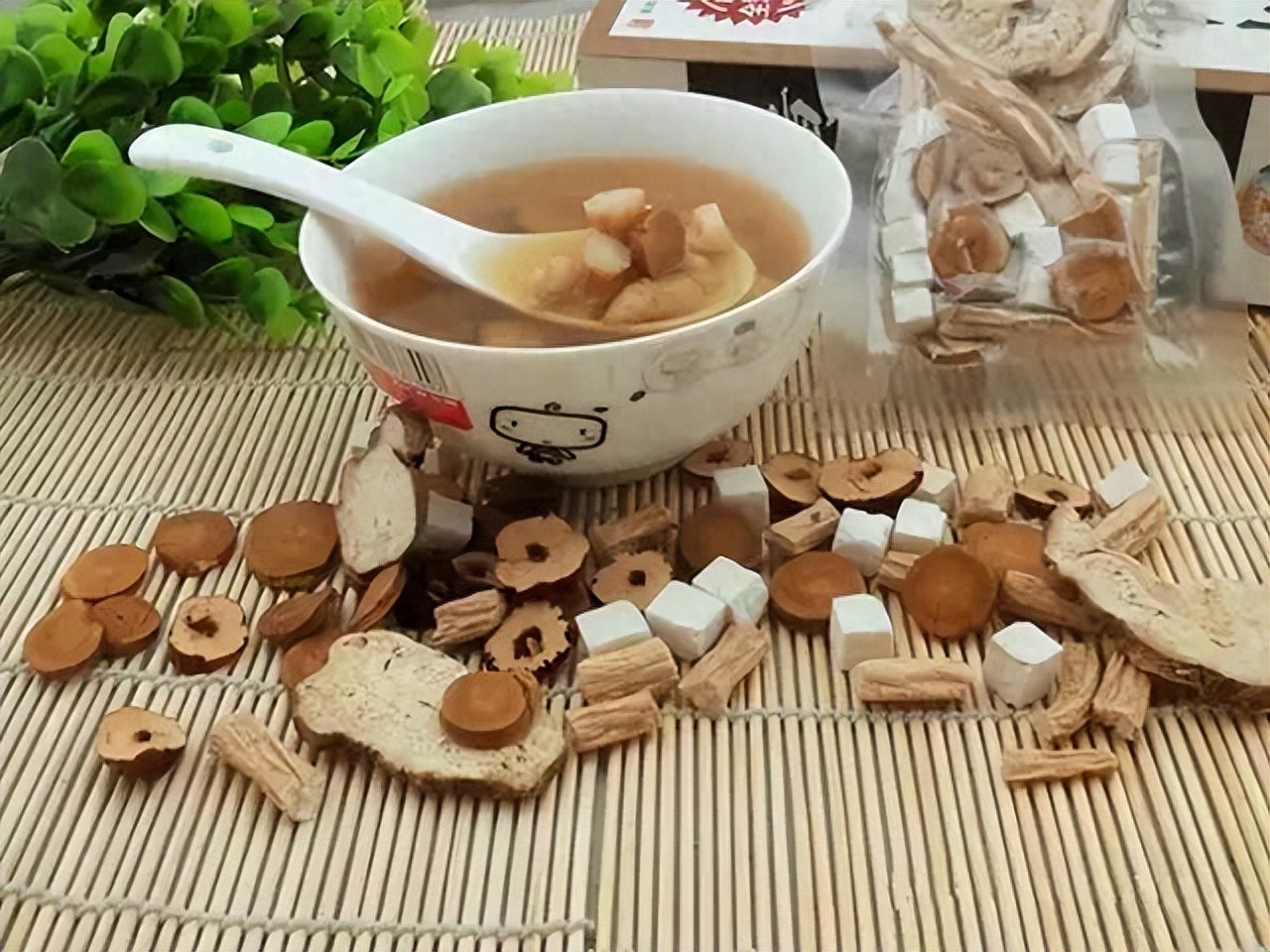
First, Qi deficiency easily leads to Yang deficiency. In Traditional Chinese Medicine, Qi is considered Yang; both Qi and Yang refer to the body's functional activity. If Qi deficiency is severe, it eventually leads to Yang deficiency, and those with Yang deficiency will inevitably suffer from Qi deficiency. If you usually experience shortness of breath, a reluctance to speak, lack of energy, fatigue, and a poor complexion, this is generally Qi deficiency. You may refer to Sijunzi Decoction (Four Gentlemen Decoction).
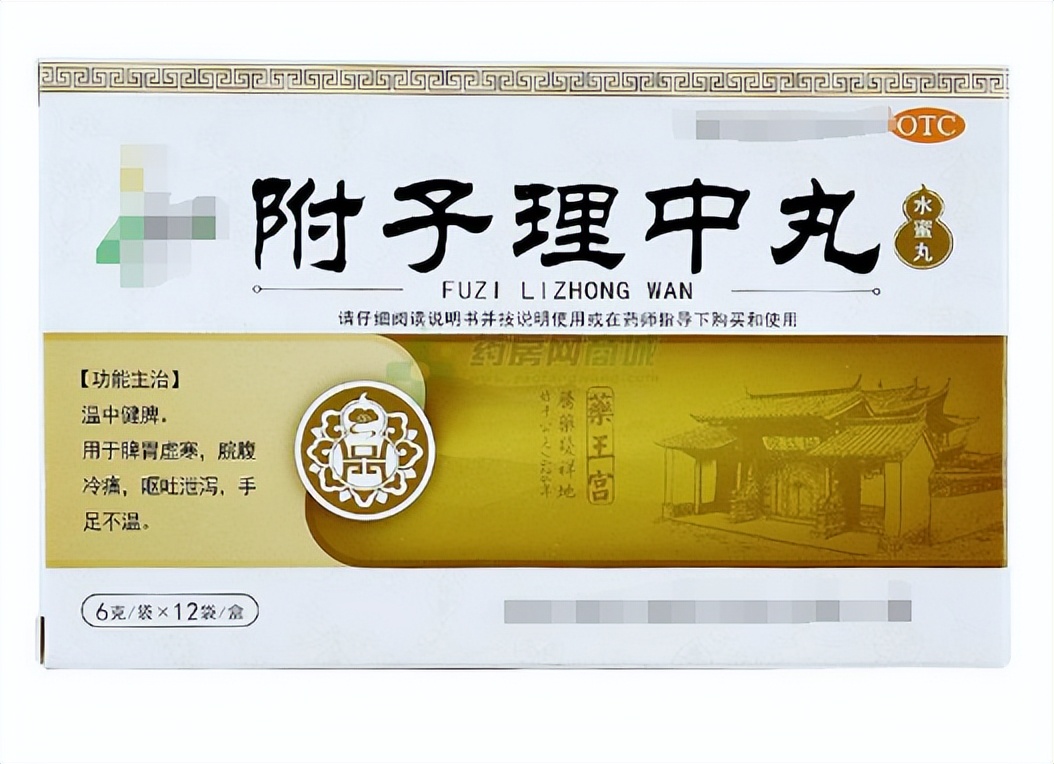
If you not only have the symptoms mentioned above but also suffer from an aversion to cold, cold hands and feet, and soreness or weakness in the lower back and knees, it indicates that your Yang energy has also been depleted. At this stage, you should warm the Yang while supplementing Qi; you may refer to Fuzi Lizhong Wan (Aconite Center-Regulating Pill).
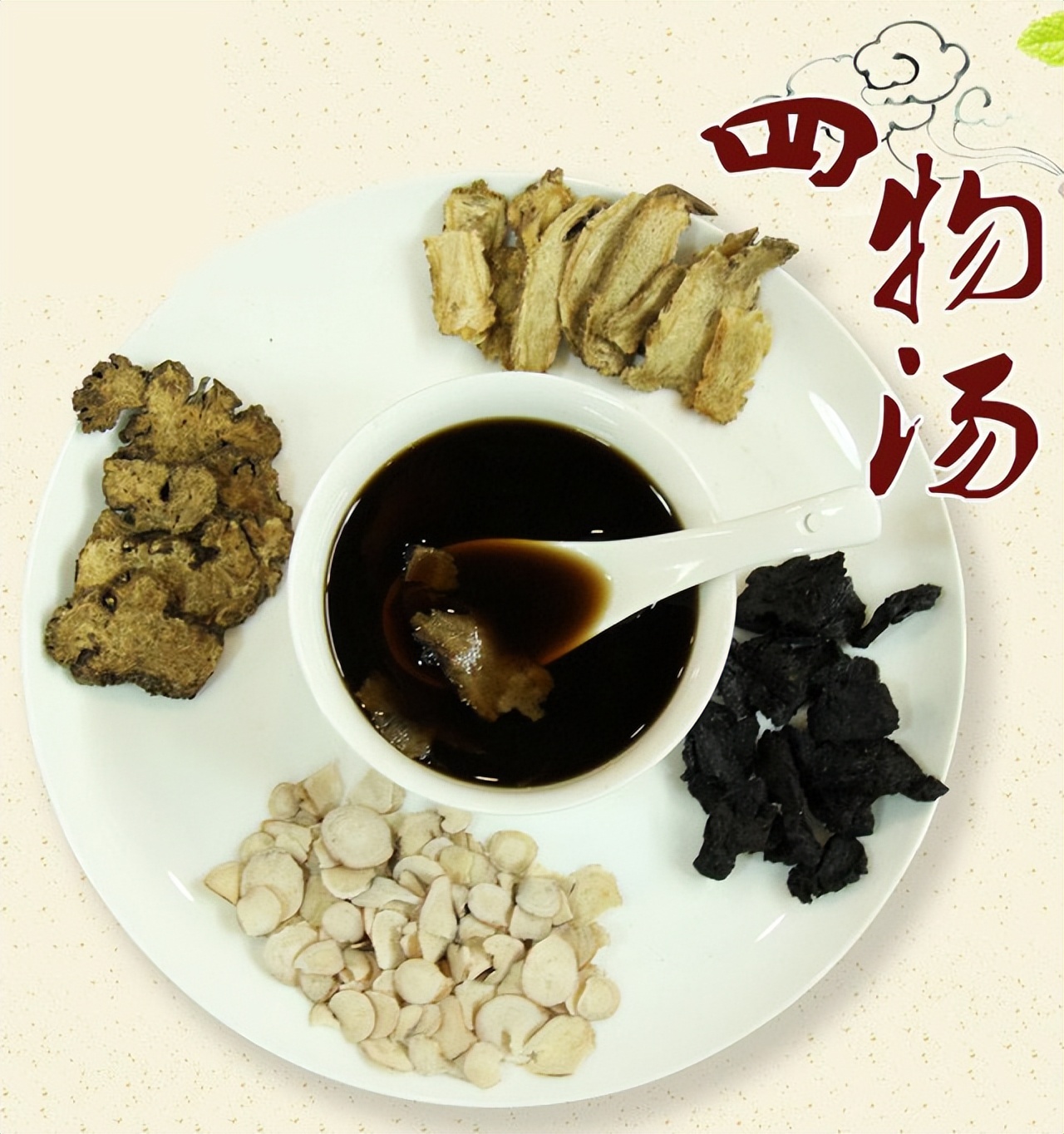
Next, blood deficiency easily leads to yin deficiency. Since qi belongs to yang and blood belongs to yin, yin deficiency here refers to the depletion of body fluids. As the saying goes, "fluids and blood share the same source," meaning body fluids and blood can transform into one another. Therefore, blood deficiency easily leads to yin deficiency, and yin deficiency can likewise cause blood deficiency. For example, excessive sweating can damage the blood and lead to blood deficiency; when blood deficiency reaches a certain level, it will also cause yin deficiency. Patients may experience symptoms such as a dry mouth, peeling skin, and prone to body itching; for this, one can refer to Siwu Decoction.
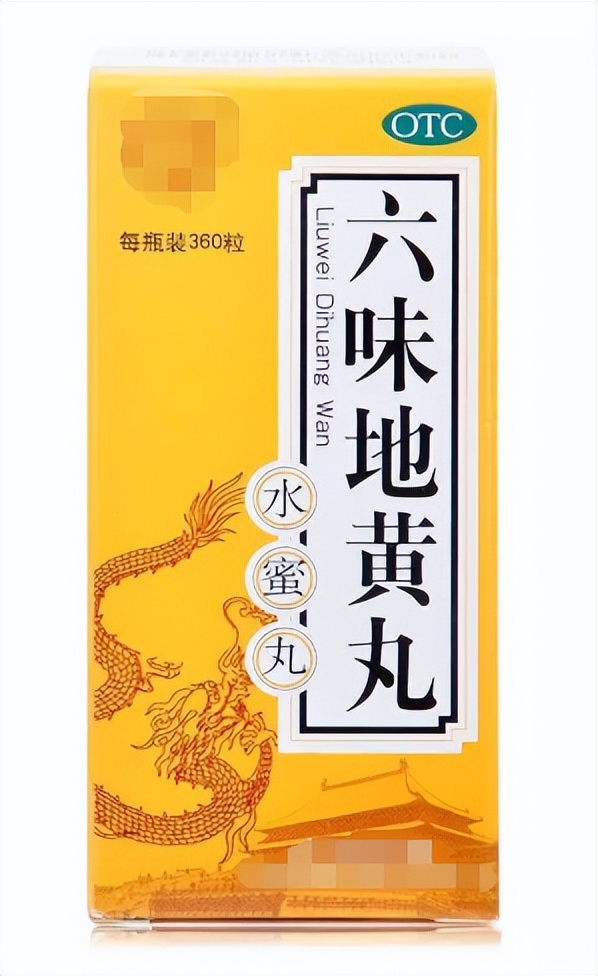
When symptoms of yin deficiency appear, such as a dry mouth and throat, feverish sensations in the palms, soles, and chest (five-center heat), hot flashes, and night sweats, one can refer to Liuwei Dihuang Wan. This approach addresses both qi and blood as well as yin and yang, achieving the effect of dual supplementation for both yin and yang.
A reminder to everyone: Traditional Chinese Medicine requires syndrome differentiation. If needed, please consult a professional physician for timely diagnosis, treatment, and conditioning.