Excessive Sweating Indicates Lung Deficiency, Excessive Phlegm Indicates Spleen Deficiency, and Irritability Indicates Liver Qi Stagnation: Three Chinese Patent Medicines to Nourish the Lungs, Strengthen the Spleen, and Soothe the Liver
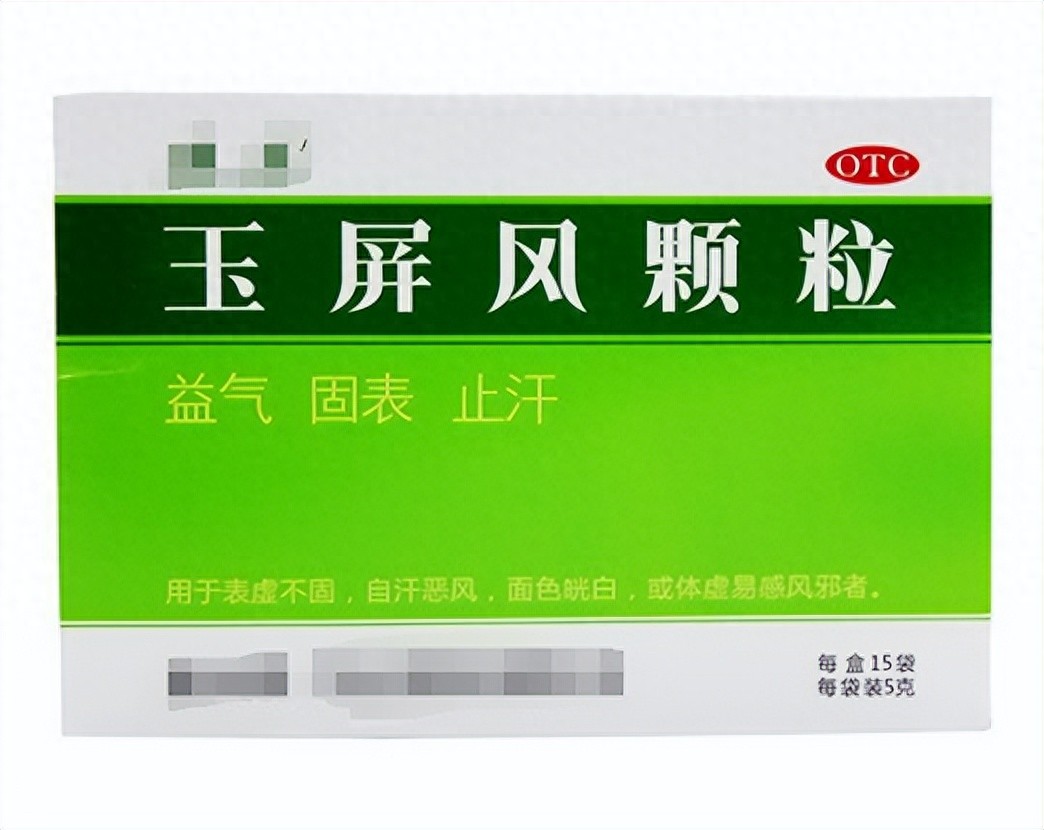
First, excessive sweating indicates Lung deficiency. In Traditional Chinese Medicine, the Lungs govern Qi, and Qi has the function of restraining sweat. If there is a problem with the Lungs, excessive sweating occurs, often accompanied by a constant feeling of fatigue or even breathlessness after slight exertion. In such cases, it is necessary to supplement Lung Qi; one may consider Yupingfeng Granules to benefit Qi, consolidate the exterior, stop sweating, and replenish Qi.
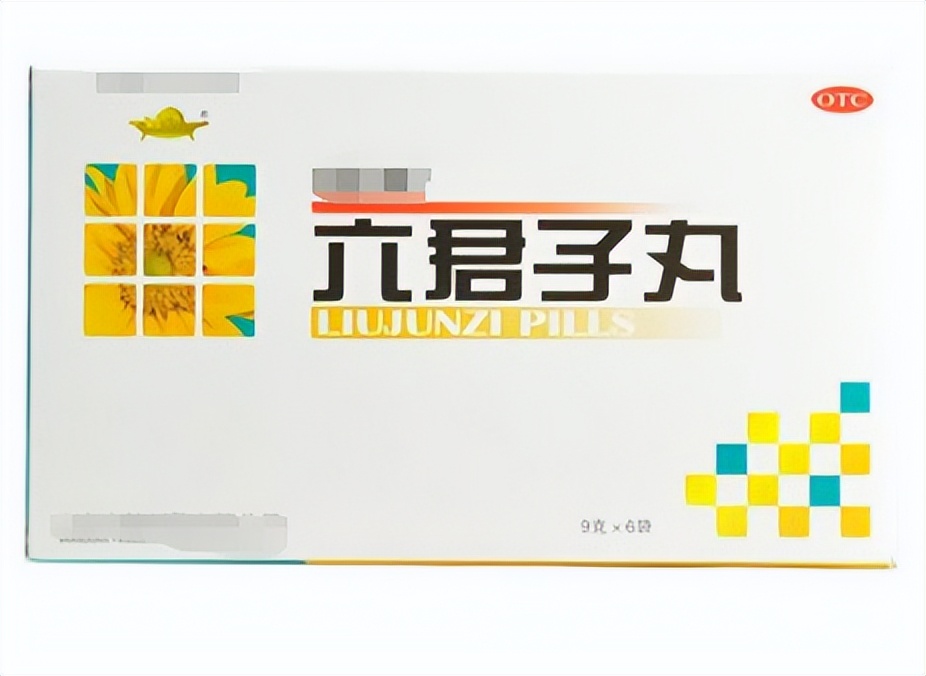
Next, excessive phlegm indicates Spleen deficiency. This is because the Spleen and Stomach are responsible for transporting and transforming the body's fluids. If the Spleen and Stomach are weak, their transport and transformation functions malfunction, and the body's fluids cannot be metabolized. They accumulate to form phlegm, leading to discomfort in the throat, phlegm that is difficult to expectorate, a feeling of blockage, chest tightness, dry cough, or thin, white phlegm. At this time, it is necessary to supplement the Spleen and benefit Qi, while drying dampness and resolving phlegm; Liujunzi Pills can be used for regulation.
Finally, "excessive gas is due to liver stagnation." Traditional Chinese Medicine believes the liver governs dredging and dispersion. If liver Qi is stagnant, the body's Qi mechanism will not flow smoothly, leading to blockages. Patients may experience frequent flatulence, stomach growling (commonly known as borborygmus), dry mouth, a bitter taste in the mouth, irritability, and diarrhea. In such cases, it is necessary to soothe the liver. One may consider Chaihu Shugan Wan to soothe the liver, regulate Qi, eliminate bloating, and relieve pain.
A reminder to everyone: Traditional Chinese Medicine requires syndrome differentiation. If needed, please consult a professional physician for timely diagnosis, treatment, and conditioning.