Constipation, blurred vision, and insomnia are all rooted in the lungs; three Chinese patent medicines to revitalize your lungs and body.
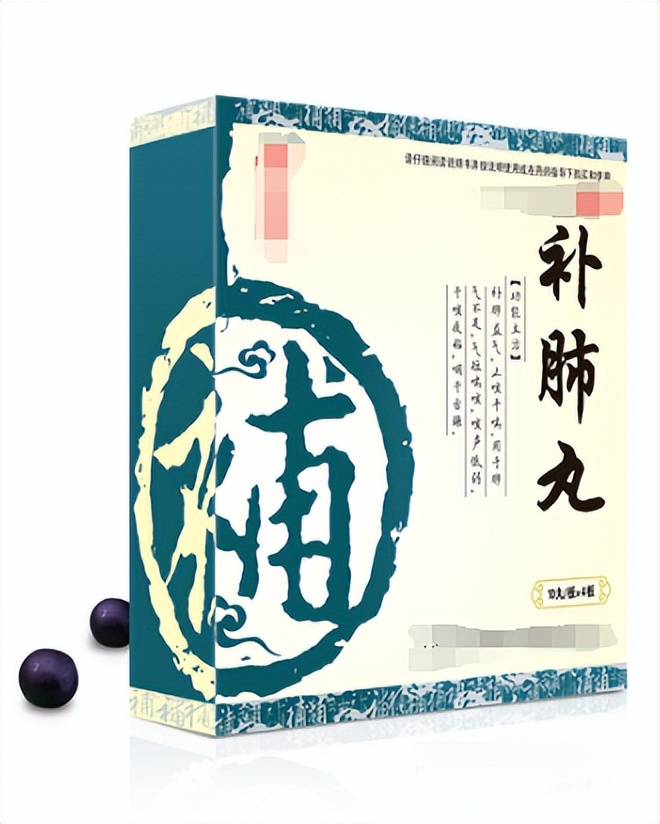
First, constipation is rooted in the lungs. Traditional Chinese Medicine (TCM) believes that the lungs and the large intestine share an interior-exterior relationship. If you typically have a bowel movement only once every two or three days, or even feel weak and prone to sleepiness after a movement, with a low and heavy voice, this is likely due to insufficient Lung Qi, which impairs the conduction of the large intestine. In this case, you may consider using Bufei Wan to replenish Lung Qi.
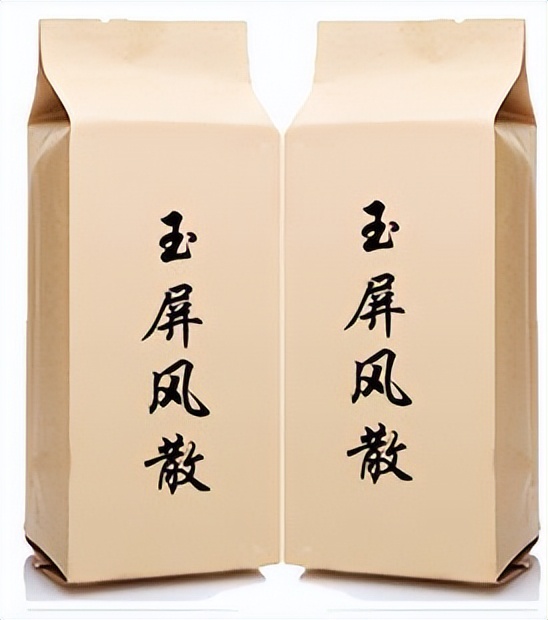
Next, blurred vision is rooted in the lungs. TCM holds that Qi moves the blood, and blood nourishes the eyes. If your Lung Qi is insufficient, it will lead to poor circulation of Qi and blood. At this time, you will experience blurred vision, dry eyes, or even spontaneous sweating and night sweats. This requires tonifying the Lung Qi and stabilizing the exterior; you may consider using Yupingfeng San for regulation.
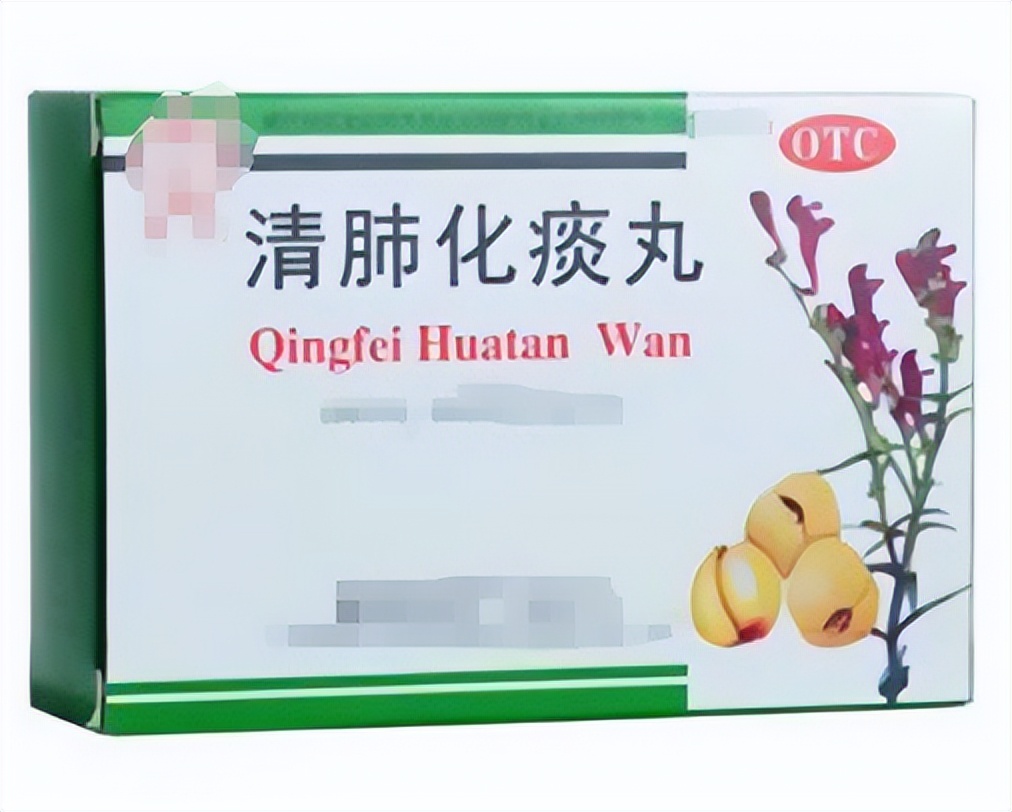
Finally, insomnia can also be rooted in the lungs. If you tend to wake up easily during the night—especially between 3:00 and 4:00 AM—and find yourself tossing and turning, unable to fall back asleep, this may be related to the lungs. This is particularly true if, upon waking, you feel phlegm in your throat, suffer from a persistent cough, and frequently experience a dry mouth and thirst. Traditional Chinese Medicine believes that the period between 3:00 and 4:00 AM is when the Lung Meridian is most active. If you have excessive "Lung Fire," the heat can disturb the mind and spirit, leading to these symptoms. In such cases, you may consider using Qingfei Huatan Wan for regulation.
A reminder to everyone: Traditional Chinese Medicine requires syndrome differentiation. If needed, please consult a professional physician for timely diagnosis, treatment, and conditioning.