There are four types of kidney deficiency, each with different manifestations during sleep. Which one do you have?

The first is Kidney Yin deficiency. Patients of this type will experience significant sweating during sleep that disappears upon waking. They often have hot sensations in the palms and soles, and may experience bouts of cold sweats during the day. These symptoms are typically accompanied by a red tongue with no coating. In this case, it is necessary to nourish Yin; Liuwei Dihuang Wan can be used as a reference.
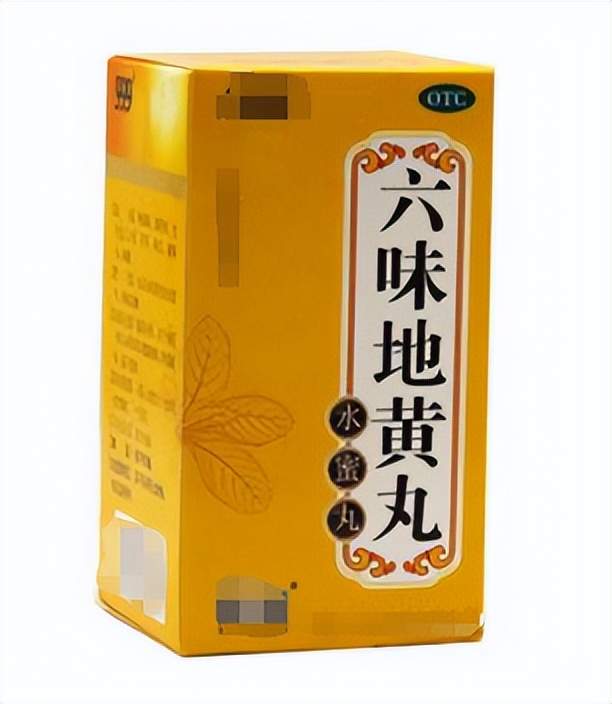
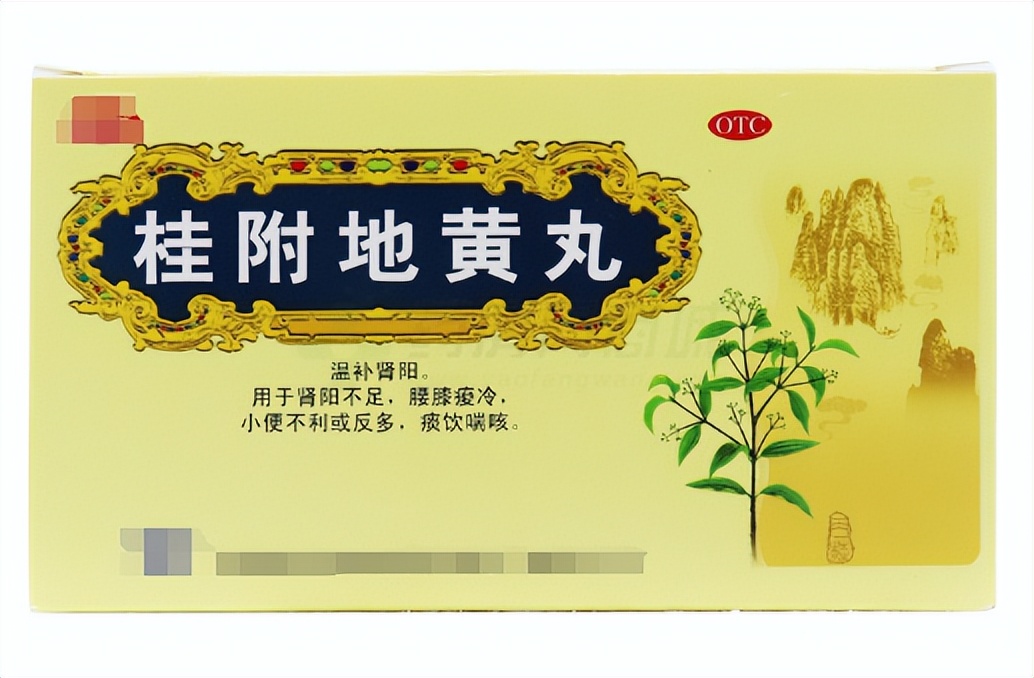
The second is Kidney Yang deficiency. Symptoms for these patients include being particularly sensitive to cold, having cold hands and feet, diarrhea, a pale tongue with teeth marks, and a swollen tongue body. At this time, it is necessary to warm and supplement Kidney Yang; Guifu Dihuang Wan can be used as a reference.
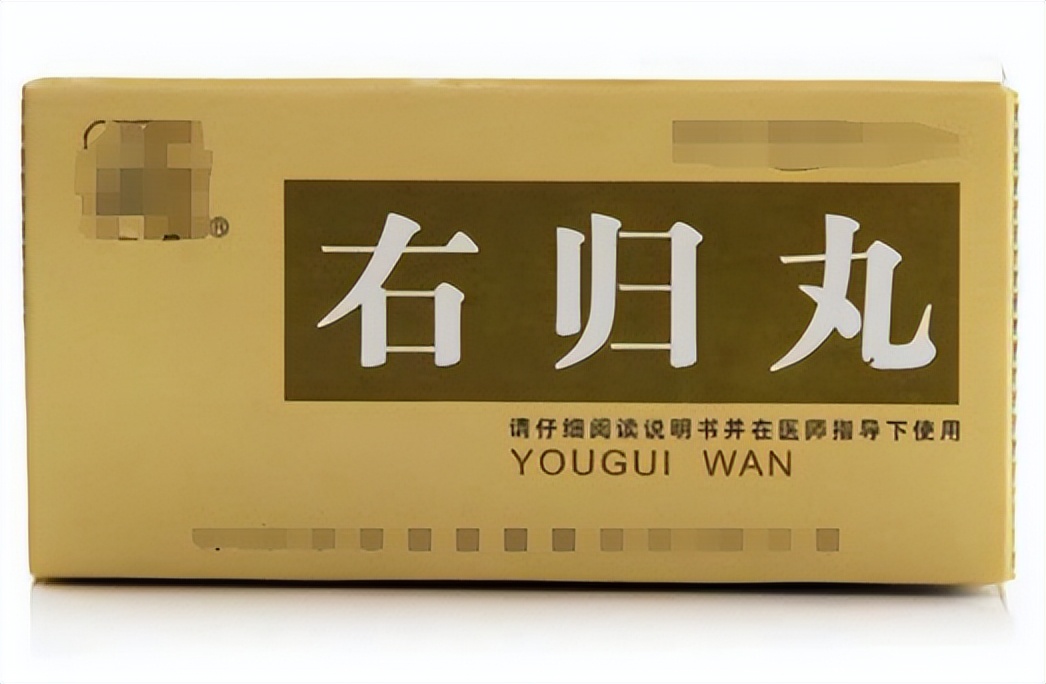
The third type is Kidney Qi deficiency. These patients frequently wake up at night to urinate and often feel physically exhausted, lacking the motivation to move and prone to spontaneous sweating. The tongue presentation typically shows a depression at the root. In this case, it is necessary to supplement Kidney Qi. Since the Kidney governs the two lower orifices, a deficiency in Kidney Qi leads to a loss of control over urine, resulting in symptoms like urgency and excessive urination. You may refer to Yougui Wan for treatment.
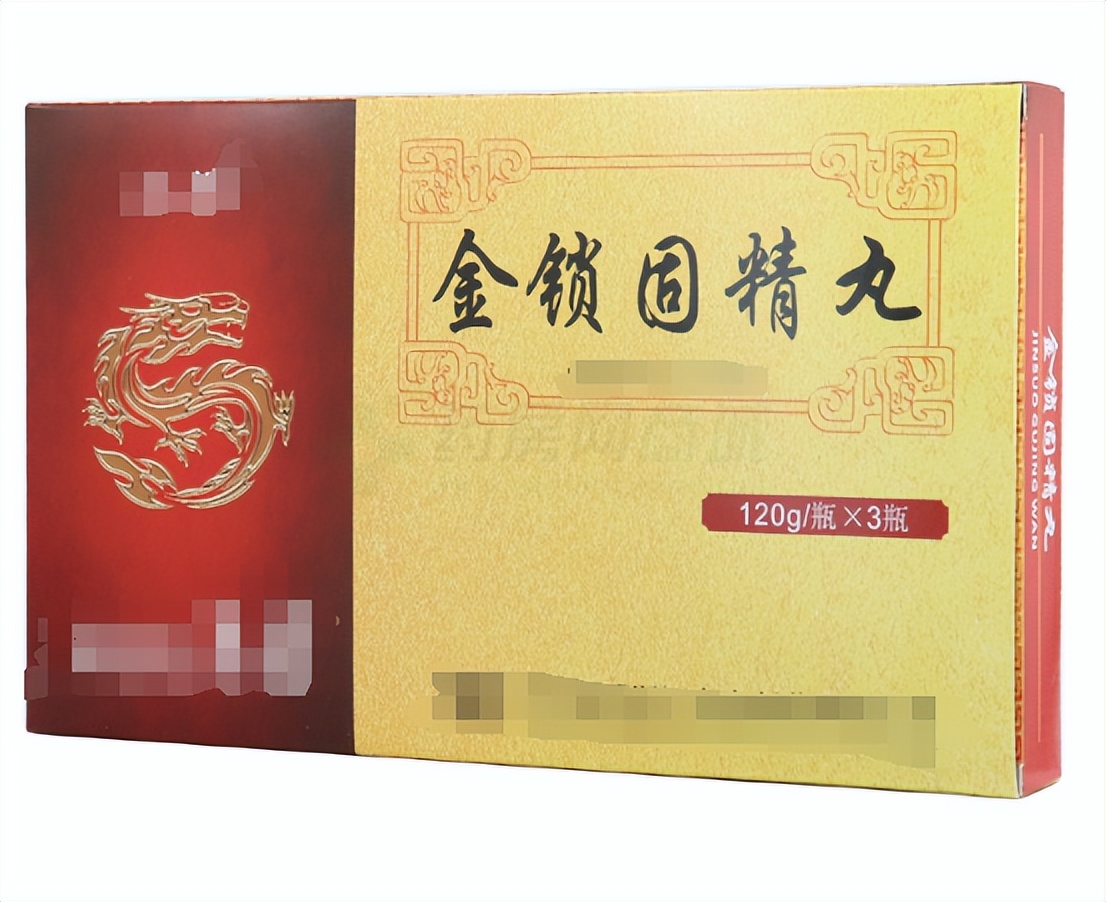
The fourth type is Kidney Essence deficiency. Patients in this category experience symptoms such as tinnitus during sleep, waking up feeling utterly exhausted and listless, hair loss, premature aging, forgetfulness, lower back pain, and slowed reflexes. At this stage, it is necessary to tonify the Kidney and replenish the Essence. You may refer to Jinsuo Gujing Wan for treatment.
A reminder to everyone: Traditional Chinese Medicine requires syndrome differentiation. If needed, please consult a professional physician for timely diagnosis, treatment, and conditioning.