Excessive sweating and dampness in the lower body with itching, one Chinese patent medicine to dispel dampness.
Traditional Chinese Medicine (TCM) believes that dampness, itching, and unpleasant odors in the scrotum are related to excessive internal dampness in the body. The spleen governs the transportation and transformation of fluids and is the source of dampness. When the spleen is weak and unable to transport and transform water and dampness, dampness tends to accumulate in the body. Since dampness tends to sink downward, symptoms such as scrotal dampness may occur. Additionally, prolonged dampness can transform into heat, obstructing the liver and gallbladder, leading to the generation of damp-heat turbid qi. This manifests as unpleasant odors, itching, along with sticky stools, excessive sweating in the inner thighs, a feeling of heaviness and discomfort in the body, and a thick, greasy tongue coating. Here, I recommend a Chinese patent medicine, Longdan Xiegan Wan.
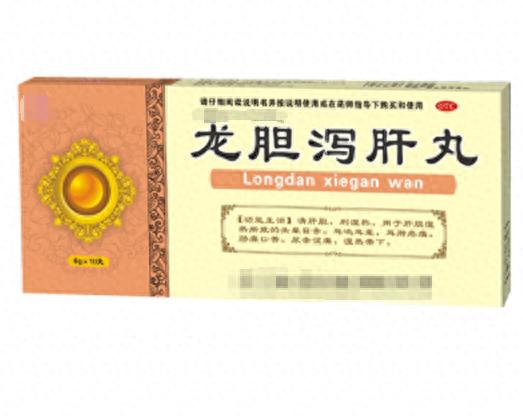
Among its ingredients, Gentian Root disperses and drains the excess fire from the liver and gallbladder and clears damp-heat from the lower jiao. Scutellaria, Cape Jasmine Fruit, and Bupleurum Root, which are bitter and cold in nature, drain fire. Plantain Seed, Akebia Stem, and Alisma Rhizome clear and promote the excretion of damp-heat, allowing it to be expelled through urine. Additionally, as the liver is the organ that stores blood, heat in the liver meridian can easily injure yin and blood. Therefore, Rehmannia Root and Chinese Angelica are included to nourish and enrich blood and yin, while Licorice Root harmonizes and assists the actions of the other herbs.
When damp-heat is eliminated, symptoms like dampness, itching, and odor will also be alleviated. Please note that gentian root has a cold nature, so it is not suitable for those with weak spleen and stomach or a tendency toward coldness. Have you understood this now?