Strengthen the kidneys by first soothing the liver, and the effect will double. Pair Liuwei Dihuang Wan with this to directly enhance the medicinal efficacy to the root.
Pairing Liuwei Dihuang Wan with Xiaoyao Wan can effectively break through blockages and directly enhance the medicinal efficacy to the root for those with kidney yin deficiency and liver stagnation with dampness. There are three main reasons for this.
Traditional Chinese medicine believes that the liver and kidneys share the same origin, and they are like good brothers—when one is deficient, the other will support it. If there is kidney deficiency, simply strengthening the kidneys alone is definitely not as effective as replenishing both the liver and kidneys together. Xiaoyao Wan not only soothes and nourishes the liver but also strengthens the spleen, ensuring continuous replenishment of liver and kidney qi and blood. By regulating both the liver and kidneys, the effect naturally improves. If there is blockage in the middle energizer, it indicates liver stagnation, with liver qi stuck in the middle. In this case, the efficacy of Liuwei Dihuang Wan cannot reach the kidneys. Moreover, the liver belongs to wood, and the spleen belongs to earth, with wood restraining earth. Stagnant liver qi also affects the spleen, leading to dampness, which exacerbates the blockage in the middle energizer. When the pathway is obstructed, the potency of the tonic medicine cannot pass through, and the effect will not be ideal. Using Xiaoyao Wan to soothe the liver and strengthen the spleen clears away stagnant liver qi and dampness, unblocking the pathway. This allows the efficacy of Liuwei Dihuang Wan to reach the kidneys directly, enhancing the medicinal effect to the root.
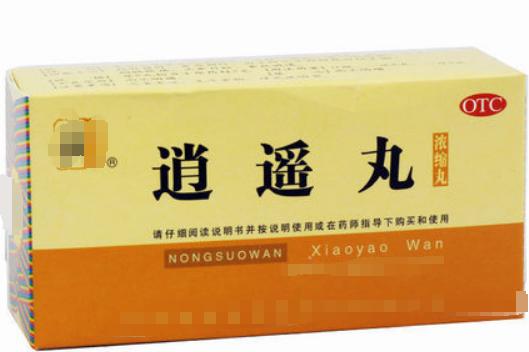
Remind everyone that traditional Chinese medicine medication requires syndrome differentiation. If needed, please consult and seek treatment from a professional doctor promptly.