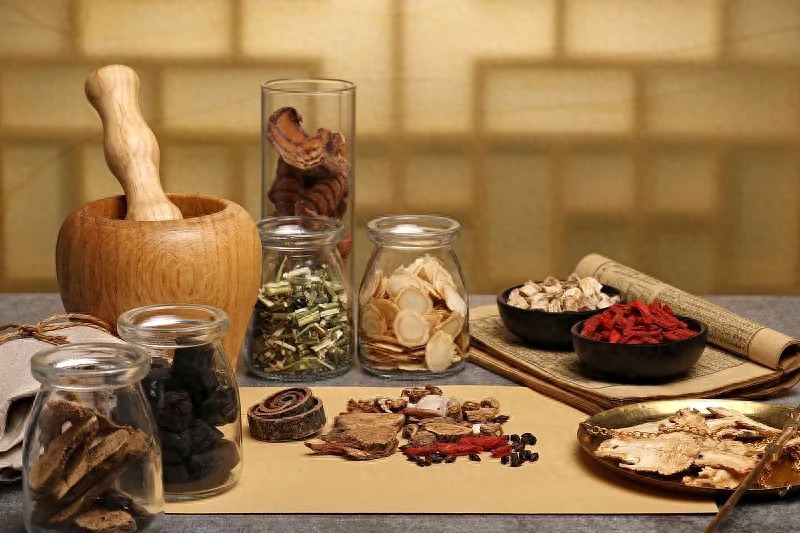
Excessive sweating due to heart qi deficiency, excessive nasal discharge due to lung qi deficiency, and dry mouth due to spleen deficiency—three Chinese patent medicines to strengthen the heart, fortify the spleen, and nourish the lungs
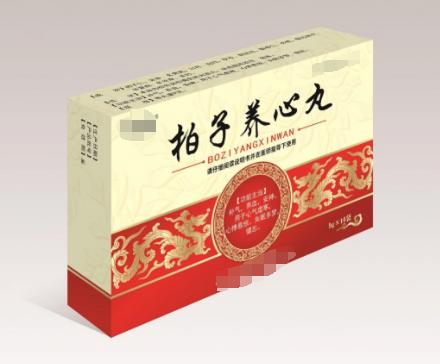
First is excessive sweating due to heart qi deficiency. Traditional Chinese Medicine believes that sweat is the fluid of the heart, and qi has the function of securing and containing body fluids. If heart qi is insufficient, its ability to retain fluids weakens, making such individuals prone to sweating. They may sweat even while sitting still and often experience palpitations, chest tightness, shortness of breath, and a pale complexion. In such cases, Baizi Yangxin Wan can be considered as a reference.
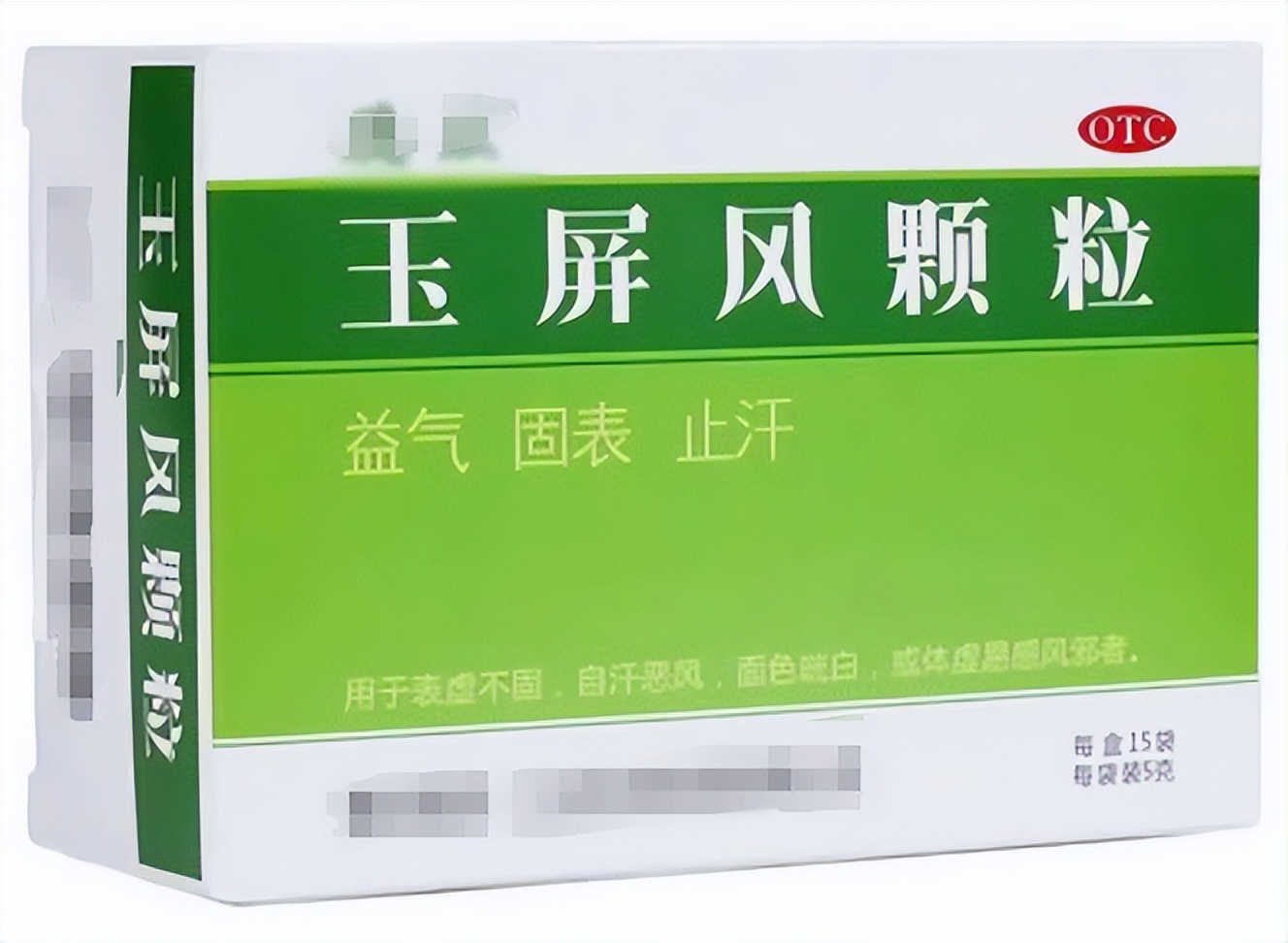
Next is excessive nasal discharge due to lung qi deficiency. Traditional Chinese Medicine holds that the lungs open into the nose and govern nasal discharge. If someone frequently experiences a runny nose with excessive clear, watery discharge, it may be due to insufficient lung qi. These individuals often have weak immunity and are prone to illness, especially during seasonal changes or when exposed to wind and cold, making them susceptible to catching colds. In such situations, Yupingfeng Granules can be considered as a reference.
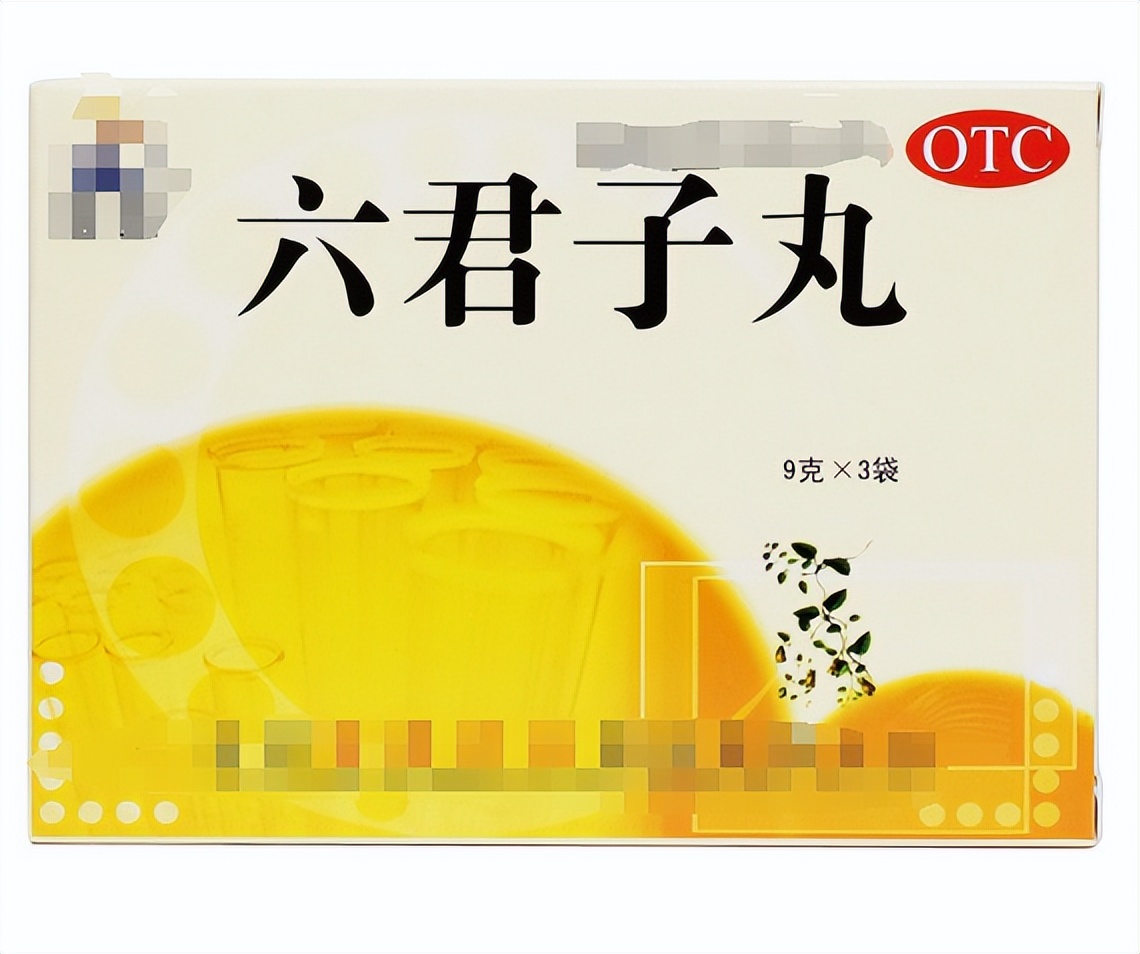
Lastly, spleen deficiency causing dry mouth. Traditional Chinese medicine holds that the spleen opens into the mouth and is responsible for transporting and transforming fluids. If you frequently experience dry mouth and find that drinking plenty of water does not help, it may be due to weakened spleen qi, which fails to transport fluids to the mouth. Such individuals often exhibit symptoms like dry mouth, indigestion, poor appetite, diarrhea, and loose stools. In such cases, Liujunzi Wan may be considered for reference.
Remind everyone that traditional Chinese medicine medication requires syndrome differentiation. If needed, please consult and seek treatment from a professional doctor promptly.