The spleen shows in flatulence, the kidneys in the waist, and the liver in the legs—check these three mirrors for poor organ health
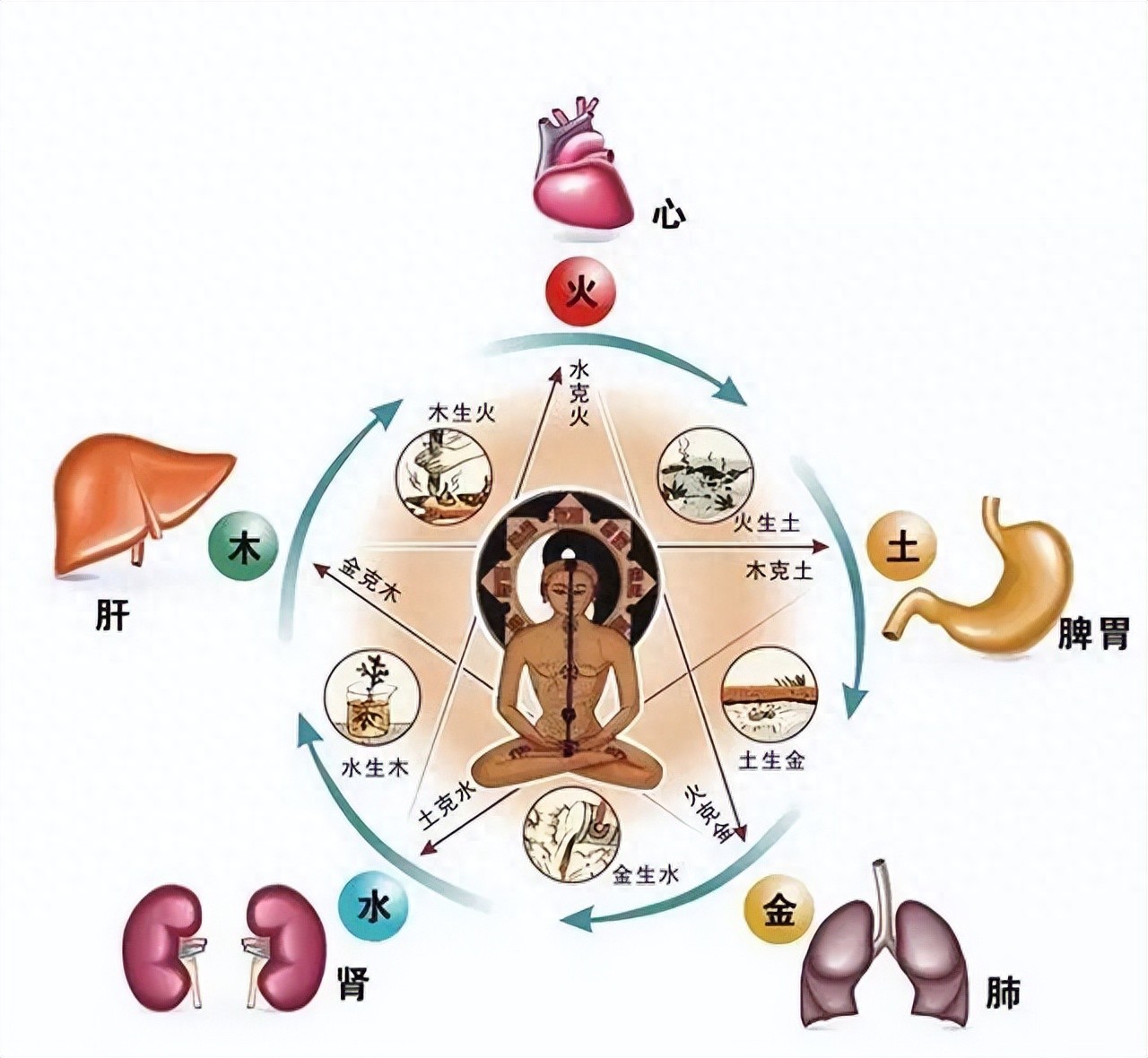
First, the spleen reflects through flatulence. The source of flatulence is the digestion of food, and food absorption relies on the spleen's transformative function. The health of the spleen and stomach can be observed through the state of flatulence. For instance, excessive foul-smelling gas, indigestion, abdominal bloating, and poor bowel movements indicate spleen deficiency with damp obstruction. In such cases, one can use Xiangsha Hewei Wan, which strengthens the spleen, stimulates appetite, promotes qi circulation, and resolves stasis.
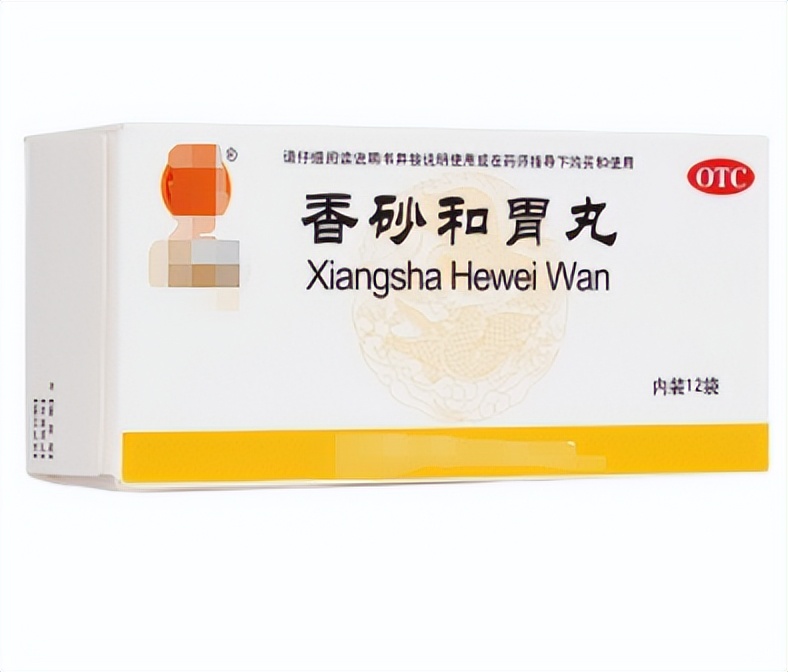
Second, the kidneys reflect in the waist. Traditional Chinese medicine regards the waist as the residence of the kidneys. If the kidneys are impaired, the first signs often appear in the waist. For example, a deficiency of kidney essence may lead to insufficient qi and blood to nourish the waist, resulting in pain and soreness. In this situation, tonifying the kidneys and replenishing essence is necessary, and Wuzi Yanzong Wan can be considered.
The third is that the liver can be observed through the legs. In traditional Chinese medicine, it is said that the liver governs the tendons. If there are issues with the liver, such as insufficient liver blood, the meridians and tendons will not be nourished, leading to symptoms like inflexibility in the legs and a tendency to cramp. In such cases, it is necessary to nourish liver blood, and Bu Gan Wan (Liver-Nourishing Pill) can be considered.
Remind everyone that traditional Chinese medicine medication requires syndrome differentiation. If needed, please consult and seek treatment from a professional doctor promptly.