Remember, spleen deficiency doesn't require excessive treatment - just keep these small traditional remedies passed down by our ancestors
Do you often feel abdominal distension, belching after meals, or having loose stools that appear undigested? Take a look at your tongue - is it swollen with teeth marks on the sides and covered in white, greasy coating? These are likely signs of what we call "spleen and stomach deficiency" in Traditional Chinese Medicine.
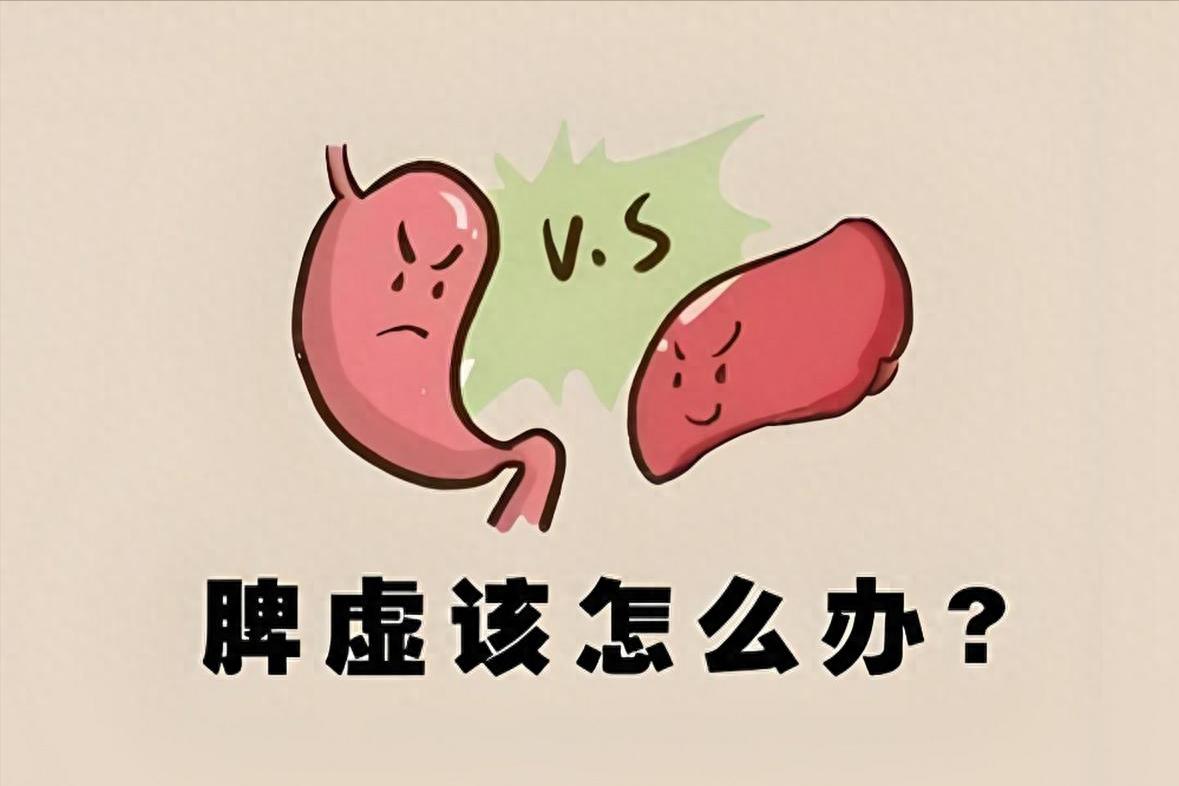
TCM teaches that "the spleen and stomach are the foundation of postnatal life" - they act as the chief managers responsible for digestion, absorption, and transportation of nutrients from food. When spleen deficiency occurs, qi becomes insufficient, making the gastrointestinal tract lose its working strength. With slowed peristalsis, digestive capacity naturally weakens. Food accumulates in the abdomen, leading to bloating, belching, and loose stools. The swollen tongue with teeth marks and white greasy coating are classic manifestations of weakened spleen function in water metabolism and internal dampness retention.
In such cases, don't rush to use strong or expensive medications. I often recommend a simple and practical folk remedy to friends and patients - with common ingredients, affordable price, yet remarkably effective when used appropriately. Here it is:
10g dried tangerine peel (Chenpi): Regulates qi and harmonizes the middle jiao, helping the spleen and stomach smooth qi flow to relieve bloating.
15g poria (Fuling): Strengthens the spleen and drains dampness, eliminating excess fluid retention in the spleen and stomach.
10g codonopsis root (Dangshen): Tonifies the middle jiao and boosts qi, directly adding energy to the spleen-stomach "engine."
Hawthorn 10g: Aids digestion and harmonizes the stomach, helping to break down accumulated food.

Simply boil them together in water and drink it as tea. This combination of herbs not only tonifies the qi of the spleen and stomach (with Codonopsis), but also regulates qi and resolves dampness (with Tangerine Peel and Poria), and aids digestion (with Hawthorn). It is quite effective for issues such as indigestion, bloating, and loose stools caused by spleen and stomach qi deficiency.
Here’s a real-life example: My neighbor, Uncle Wang, after retirement, often felt bloated and had no appetite. He would feel uncomfortably full after eating just a little, and his stools were always loose. He also tired easily. His tongue showed classic signs of spleen deficiency—swollen with tooth marks and a white, greasy coating. I suggested he try this tea, brewing a pot daily and drinking it like water. After about two weeks, he happily told me that his bloating had improved significantly, his appetite had returned, his stools were more formed, and he even felt more energetic. Of course, he also paid attention to his diet, cutting back on raw, cold, and greasy foods. Uncle Wang’s case shows that with the right diagnosis and approach, even a simple formula can yield good results.

This tea is gentle and practical, but it should be used under the premise that a doctor has confirmed it is indeed spleen and stomach qi deficiency leading to weakened gastrointestinal motility. If the condition is more complex, or if there is no improvement or even discomfort after drinking it, it’s important to consult a doctor promptly. Additionally, pregnant women or those with specific health conditions should seek medical advice before using it.
Nourishing the spleen and stomach requires patience. The most important things in daily life are eating in moderation, avoiding raw, cold, and greasy foods, and keeping the abdomen warm. This simple tea remedy can hopefully help those in need, allowing us to spend less on unnecessary treatments and avoid detours in body regulation.