No Need for Yupingfeng When Drenched in Sweat – Cinnamon and Cornus Officinalis Are the True Kings of Antiperspirants
When summer arrives or even with slight exertion, many people find themselves dripping with sweat, their clothes soaked through. The first remedy that comes to mind for most is "Yupingfeng San." This formula strengthens qi and consolidates the exterior, specifically effective for excessive sweating caused by qi deficiency failing to secure the body’s surface. Indeed, it works quite well. However, if you’ve tried Yupingfeng with little effect—or worse, if your sweat feels cold and you’re particularly sensitive to chills—then the issue may not just be qi deficiency but may have progressed to yang qi deficiency.
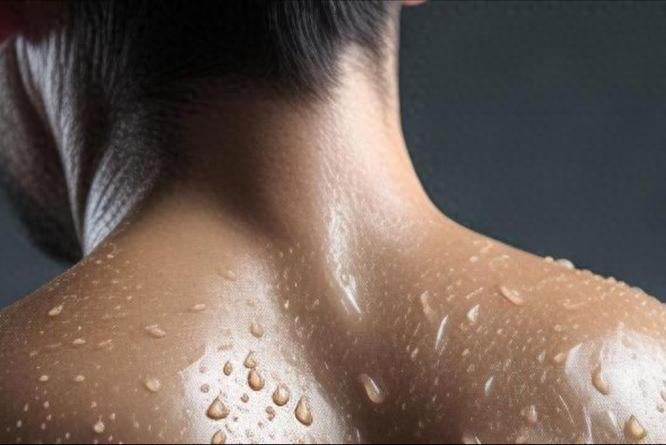
Traditional Chinese Medicine teaches that "qi governs bodily fluids" – when qi is deficient, it fails to contain sweat. But prolonged qi deficiency weakens the body's warming capacity, leading to yang deficiency. At this point, merely supplementing qi won’t suffice; you must also warm and nourish yang qi. While Yupingfeng San excels at boosting qi and securing the exterior, it lacks direct yang-warming properties, making it inadequate for addressing excessive sweating caused by yang deficiency.
For this type of excessive sweating due to yang deficiency, especially cold sweats or deficiency-type sweating, accompanied by cold hands and feet, soreness and weakness in the waist and legs, extreme sensitivity to wind and cold, and susceptibility to colds, traditional Chinese medicine has two particularly effective "partners" for alleviation: cinnamon bark and cornus fruit.
Cinnamon: This herb has a warm and hot nature, with its greatest capability being warming and tonifying kidney yang. Traditional Chinese medicine often likens it to a "spark" that ignites the fire of life, particularly excelling at replenishing the "gate of life fire." When yang energy is sufficient, the body's warming power strengthens, much like a small sun rising within, naturally improving the retention of body fluids and reducing excessive cold sweating. Additionally, it invigorates qi and blood circulation, making muscles and skin firmer and minimizing pore dilation.
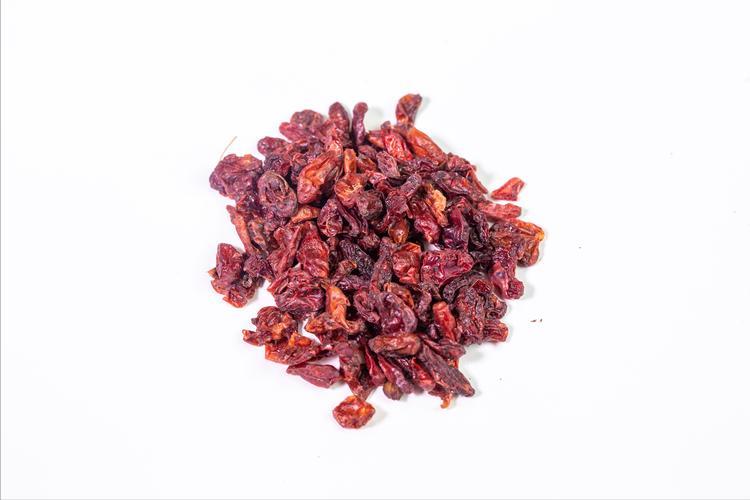
Cornus officinalis (Shanzhuyu): This medicinal herb has a sour and astringent taste with slightly warm properties. The sour flavor functions to astringe and consolidate, like tightening a faucet to retain dissipated vital energy and sweat. Its warm nature also assists in promoting yang and warming yang energy. Therefore, the renowned modern physician Zhang Xichun highly praised it, calling it "the foremost medicinal for stopping sweating and rescuing collapse." It is particularly suitable for cases of profuse sweating where one feels physically depleted and defensive qi is nearly failing to hold.
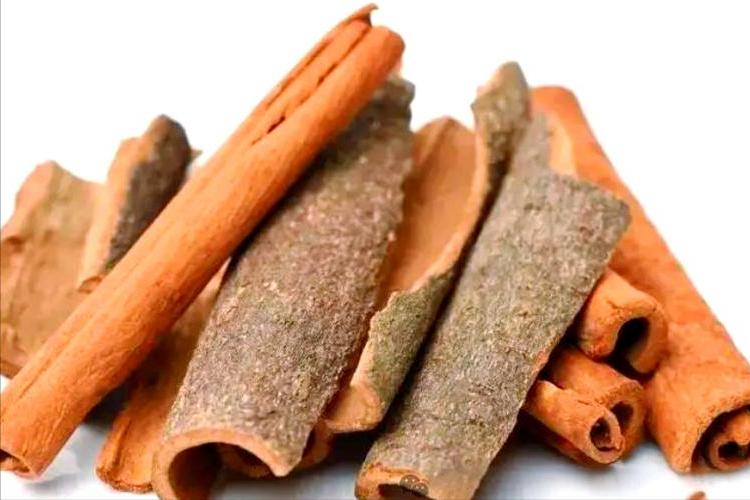
The duo works together: cinnamon is responsible for igniting the "furnace" to warm and tonify yang energy, while cornus officinalis ("shanzhuyu") tightens the "doors and windows" to astringe and consolidate. One warms, the other restrains—together they effectively combat excessive sweating due to yang deficiency and insecurity.
Here's a real-life example:
We once treated a 55-year-old Mr. Wang in our clinic. He was extremely sensitive to cold - even wearing thick coats in summer clinic rooms. With minimal activity like walking a few steps or eating a meal, he'd break out in cold sweats all over, particularly chilling cold sweats on his back. He also suffered from night sweats and constant weakness in his waist and knees, with icy cold hands and feet year-round. He had previously tried self-medicating with Yupingfeng Powder with little effect. Traditional Chinese Medicine diagnosis identified him as a classic case of kidney yang deficiency failing to secure body fluids. Under medical supervision, we recommended cinnamon powder (starting with small amounts) taken with warm water, combined with cornus officinalis decoction as herbal tea. After about two weeks of consistent treatment, he reported significantly reduced cold sweats, improved cold tolerance, and stronger waist and legs.
So if you also experience:
Excessive sweating, especially cold sweats or deficiency-type sweating with minimal activity;
Symptoms include cold hands and feet, soreness and weakness in the lower back and knees, intolerance to cold, and mental fatigue;
Using Yupingfeng doesn't work well...
Consider consulting a professional TCM practitioner to explore the approach of warming yang and securing astringency by combining cinnamon (rou gui) with cornus officinalis (shan zhu yu). Remember, proper syndrome differentiation is essential for medication—always consult a doctor before use and avoid arbitrary self-prescribing.