When the Sanjiao Meridian Is Blocked, Illness Follows: A Simple Three-Herb Formula to Regulate and Tonify the Triple Burner
Modern people often suffer from various ailments, and upon closer reflection, many are related to fatigue, high stress, and irregular eating and sleeping habits. These factors intertwine, complicating the issues and resulting in diverse symptoms. Many feel generally unwell: weak spleen and stomach with poor digestion; deficient liver and kidneys with low energy. How should one address this pervasive feeling of "something being off throughout the body"?
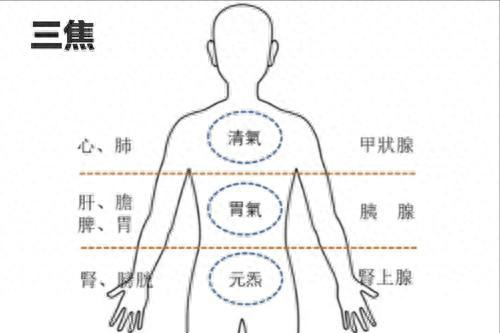
Today, I’d like to introduce an ancient formula called "Sanjing Wan" (Three Essence Pill), which uses just three herbs: Atractylodes rhizome, Lycium root bark, and black mulberries. Though simple, its brilliance lies in its ability to harmonize the body’s "upper, middle, and lower" regions—what TCM refers to as the "Triple Burner."
Atractylodes: Focuses on the middle burner (spleen and stomach), specializing in treating "dampness trapping the spleen"
Nine out of ten modern people have excessive dampness in their bodies. When dampness becomes severe, the "transportation hub" of the spleen and stomach can't function properly, leading to symptoms like abdominal bloating, poor appetite, loose stools that stick to the toilet bowl, and constant fatigue with a heavy body sensation. Atractylodes specifically targets the middle burner. It both dries dampness and resolves phlegm (breaking down and eliminating excess sticky dampness) and strengthens the spleen (enhancing the digestive-transport function of the spleen and stomach). This effectively lightens the spleen's burden while energizing it, driving away the dampness that impairs its function.
Lycium Root Bark: Clears deficient heat from the upper burner, relieving dryness-heat discomfort
Many people today frequently experience "heatiness," but this is often "deficient heat" rather than excess heat. Symptoms include heat sensation in palms and soles, intermittent feverishness (called "bone steaming" in TCM), dry cough, shortness of breath, persistent thirst (consumptive thirst sensation), or irritability with insomnia. These symptoms typically relate to deficient heat in the upper burner (heart-lung region). Lycium root bark cools blood to relieve steaming sensation and clears lung heat, specifically addressing this yin-deficiency generated vacuity heat to reduce dryness in the upper burner.
Black mulberry: Nourishes the lower-jiao liver and kidneys, replenishes essence and blood deficiencies
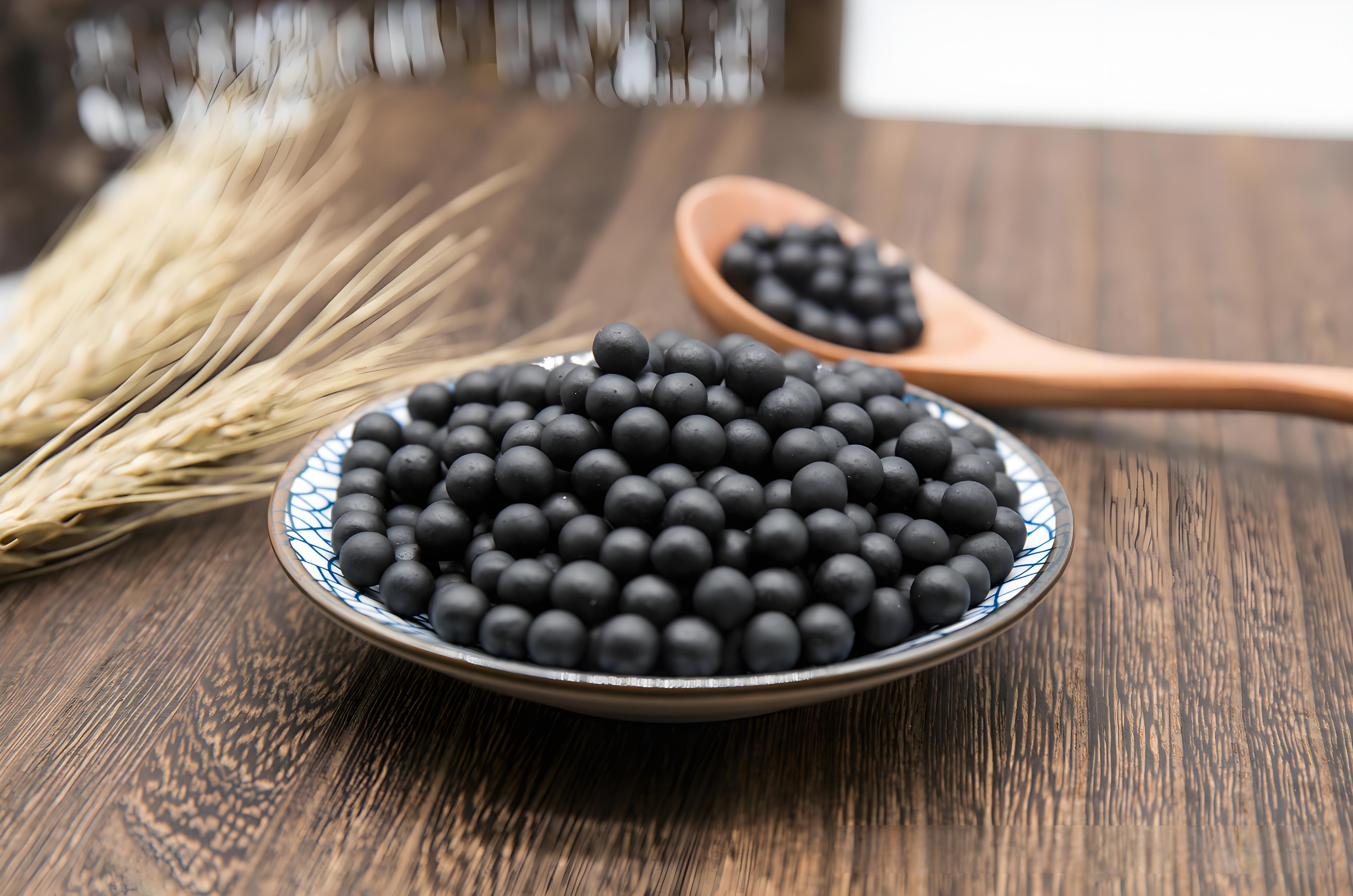
The lower jiao mainly refers to the liver and kidneys. When kidney essence is deficient or liver blood is insufficient, people may experience symptoms such as weakness in the lower back and legs, dizziness, tinnitus, poor memory, premature graying of hair, and dry eyes. Mulberries (especially black mulberries) act on the heart, liver, and kidney meridians. They can nourish yin, replenish blood, promote fluid production, and moisturize dryness, with particular efficacy in tonifying kidney essence—thereby supplying raw materials to the "energy reservoir" of the liver and kidneys in the lower jiao.
Three herbs combined to regulate and tonify the triple energizer:
Atractylodes rhizome acts on the middle burner (spleen and stomach), wolfberry root bark clears heat from the upper burner (deficient fire in heart and lungs), while black mulberry tonifies the lower burner (essence-blood of liver and kidneys). When these three herbs are combined, they collectively clear lung heat in the upper body, strengthen the spleen and stomach in the middle, and nourish the liver and kidneys below, working together to regulate functional imbalances across multiple body systems.
Real case:
A Mr. Zhang I know, a 38-year-old programmer, faces high work pressure, often works late into the night, and has irregular eating habits. He complained to me: He frequently feels bloated and has poor digestion, with loose stools most of the time; at the same time, his throat is dry, and he coughs easily, having restless sleep at night and warm palms. Moreover, he noticeably lacks energy, experiences back pain and soreness, severe hair loss, and slightly blurred vision. These are classic symptoms of "spleen and stomach dampness obstruction" (middle jiao) combined with "yin deficiency with empty heat" (upper jiao) and "liver-kidney essence and blood deficiency" (lower jiao). Later, under a doctor's guidance, he started taking Sanjing Pills composed of Atractylodes rhizome, Chinese wolfberry root bark, and black mulberries (the exact combination and dosage were adjusted by the doctor based on his condition). After roughly two months of treatment, he reported significant improvement: reduced bloating, normal stools, less dry throat and coughing, better sleep quality, and most importantly, restored energy and significantly less back pain.

Important reminder:
While the concept behind Sanjing Pills is clever, traditional Chinese medicine emphasizes "diagnosis and treatment based on individual differences." Everyone's condition varies, with constitutions ranging from cold to hot and deficiency to excess. Just as in Mr. Zhang’s case, the formula was only prescribed after a doctor clearly diagnosed his constitution and issues. Therefore, never self-prescribe based on a fixed formula! If you feel unwell—especially with complex symptoms—always consult a professional TCM practitioner to determine whether this formula is suitable for your specific condition and how to adjust the dosage. Letting a doctor "tailor the treatment to your needs" is the safest and most effective approach.