Yang Qi is the best medicine, an ancient prescription to replenish the body's vital energy
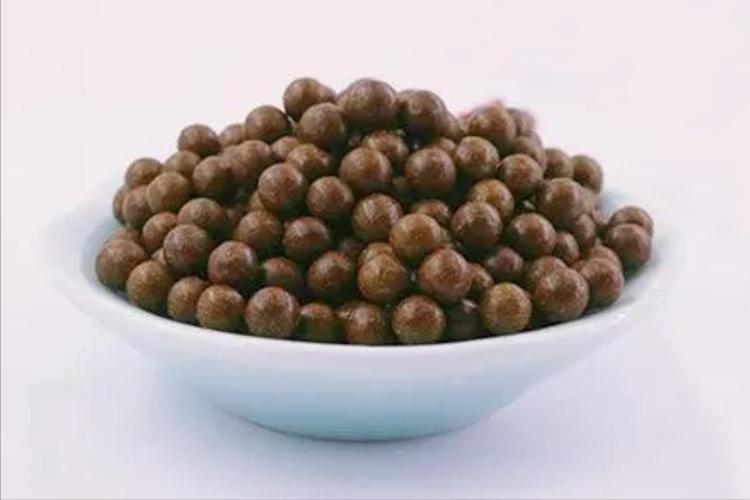
In Traditional Chinese Medicine, it's often said that "yang qi is the foundation of the body." It acts like the body's "energy" and "central heating," maintaining normal temperature, digestion, mobility, and various other functions. When yang qi is sufficient, people feel energetic and have strong immunity. When yang qi is deficient, especially when spleen and kidney yang qi are insufficient, people tend to feel easily cold, weak, and prone to various symptoms of "deficiency-cold." Today, let's discuss a classic formula specifically designed to warm and replenish yang qi and address deficiency-cold conditions—Fuzi Lizhong Wan (Regulating the Middle Pill with Aconite from Zhang Zhongjing's "Treatise on Cold Damage").

Who Might Be Suitable for the Aconite and Ginseng Decoction? Mainly Look for These Signs of "Deficiency-Cold":
Cold-sensitive abdomen with pain: Discomfort or dull pain occurs after consuming cold foods (fruits, chilled drinks) or exposure to cold, which can be relieved by applying a hot water bottle.
Frequent diarrhea: Loose, unformed stools, especially after eating cold foods or morning diarrhea (known as "dawn diarrhea" in Traditional Chinese Medicine).
Persistent cold hands and feet: Extremities remain ice-cold even in cold weather, failing to warm up despite layered clothing.
Clear vomit or loss of appetite: Cold sensation in the stomach accompanied by occasional nausea with clear fluid vomiting and poor appetite.
Always feeling tired and lacking energy: General fatigue, shortness of breath, and reluctance to move.

How does Fuzi Lizhong Wan address these issues? Let's look at its "combination punch":
Aconite (processed): This is the "main general" of the formula, with intensely pungent and hot properties, powerfully warming kidney yang and spleen yang. Kidney yang is the "root" of the body's overall yang energy, while spleen yang governs digestion and absorption. Aconite is like adding a strong fire to the body's weakened "furnace," warming the entire body, especially the middle burner (spleen and stomach) and lower burner (kidneys).
Dried ginger: Also a hot herb, it excels at warming the middle and dispelling cold, focusing on warming the spleen and stomach, stopping vomiting, and relieving pain. When combined with aconite, its power to warm yang and dispel cold is even stronger.
Codonopsis pilosula: Tonifies qi and strengthens the spleen. Merely warming yang and dispelling cold isn't enough—we need to "give a boost" to the weakened spleen and stomach, restoring their ability to transform food and generate qi and blood.
Atractylodes macrocephala: Strengthens the spleen and dries dampness. When yang qi is insufficient, water-dampness tends to accumulate in the spleen and stomach, exacerbating diarrhea and bloating. Atractylodes helps the spleen transport away and dry excess dampness.
Prepared licorice: Harmonizes the properties of the formula while also tonifying the middle and supplementing qi, making the entire prescription's effects gentler and more sustained.
Simply put, this formula works by: Warming yang (aconite, dried ginger) + Tonifying qi and strengthening the spleen (codonopsis, atractylodes, licorice). The goal is to drive out cold from the spleen, stomach, and kidneys, replenish deficient yang qi, and restore the body's normal "heating" and digestive functions.
Here's a concrete example:
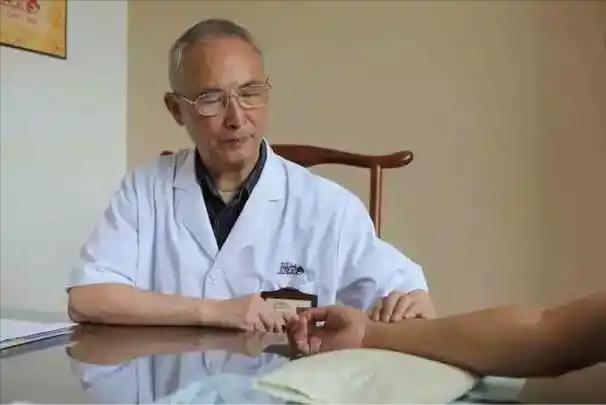
Aunt Li, 55 years old, retired teacher. She has always been sensitive to cold since her youth, and it has become more severe in recent years: she avoids air conditioning in summer and wears thicker clothes than others; she is particularly prone to diarrhea, especially after waking up in the morning or eating fruits, with loose stools; her abdomen constantly feels chilly, with occasional dull pain that requires warm compresses; her hands and feet are cold throughout the year, with little appetite and low energy. When she consulted a traditional Chinese medicine doctor, her tongue appeared pale with a white, moist coating. The doctor diagnosed this as a classic case of spleen and stomach deficiency-cold with kidney yang deficiency. She was prescribed Fuzi Lizhong Wan (taken as directed by the doctor). After about two weeks, Aunt Li felt less cold in her abdomen, had significantly fewer episodes of diarrhea, and her hands and feet began to feel warmer. With continued treatment, her energy levels also improved noticeably.
Important reminder:
Seeing a doctor is the safest approach: If you feel physically unwell, especially with persistent chills or diarrhea, it's best to consult a professional TCM practitioner. Have your body constitution and syndrome pattern accurately diagnosed before determining whether this medication is suitable and if additional conditioning is required.
In summary: Fuzi Lizhong Wan is a classic TCM formula for warming and tonifying spleen-kidney yang qi while dispelling internal cold. If you experience long-term cold intolerance, cold hands and feet, frequent diarrhea (especially after consuming cold foods), cold abdominal pain, and a pale tongue with white slippery coating, this may be an option. However, always remember: safety first—consult a physician before use, as proper syndrome differentiation ensures effectiveness.