Fuzi Lizhong Pills: The Ultimate Weapon Against Dampness - When Used Correctly, Even the Most Stubborn Dampness Can Be Eradicated
When it comes to eliminating dampness, Fuzi Lizhong Pills are an excellent aid. Their core ingredients are two warming herbs: aconite (Fuzi) and dried ginger. Traditional Chinese Medicine follows the principle of "treating cold with heat" - since dampness is inherently cold in nature, the intensely pungent and warming properties of aconite and dried ginger can effectively warm and disperse cold-dampness, while fortifying spleen yang (TCM believes the spleen governs water-dampness transportation and transformation). However, dampness manifests in various forms, so using Fuzi Lizhong Pills requires considering specific conditions - incorrect usage not only proves ineffective but may cause additional problems.
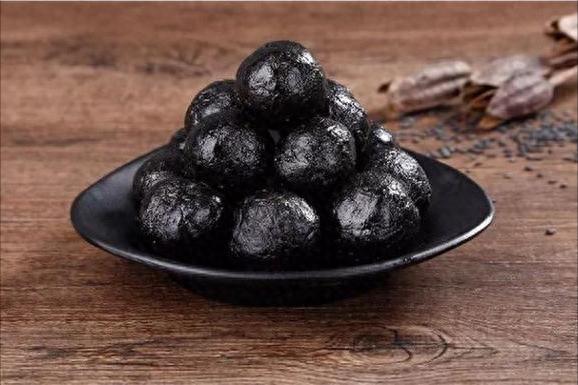
1. Common dampness: Primarily caused by spleen deficiency, without significant cold symptoms
What are the symptoms? A pale tongue with a white, watery coating; constant fatigue and low energy; frequent bloating and loose, unformed stools; oily face and hair.
How to adjust? This condition is mainly due to spleen qi deficiency, leading to poor water-dampness metabolism and accumulation of dampness. While Aconite Center-Regulating Pills (Fuzi Lizhong Wan) are too strong in this case, milder formulas like Ginseng, Poria, and Atractylodes Macrocephala Powder (Shenling Baizhu San) are more suitable. It works like giving exhausted spleen and stomach a helping hand, gradually resolving water-dampness.
2. Severe cold-dampness: Pronounced cold intolerance with lumbar and knee discomfort
What are the symptoms? In addition to common dampness symptoms (fatigue, bloating, loose stools), there's significant cold intolerance, especially a cold, weak, and sore feeling in the lower back and knees; intolerance to cold foods—consuming cold drinks, fruits, or exposure to cold inevitably causes diarrhea.
How to regulate? This is where Fuzi Lizhong Pills come into play. This represents a typical pattern of spleen-kidney yang deficiency with internal cold-dampness accumulation. Aconite warms and replenishes kidney yang, while dried ginger warms and activates spleen yang. These two heat-producing herbs work together to expel cold from both internal and external aspects of the body, restoring the spleen and kidney's ability to transform dampness and warm the body.
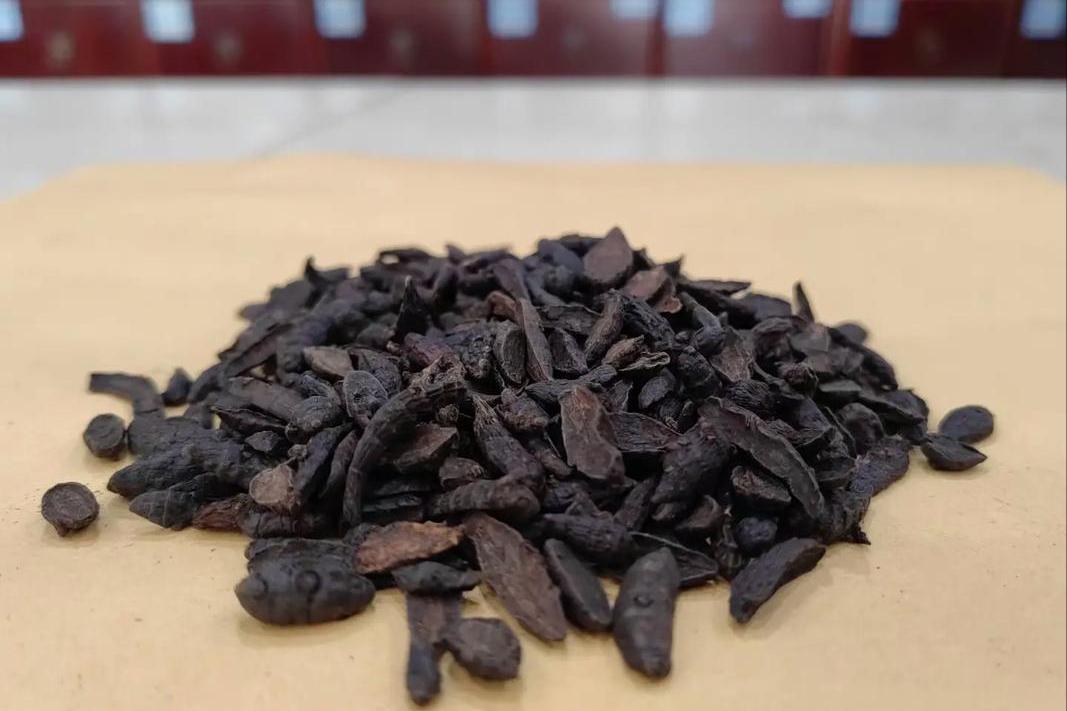
3. Cold-Dampness with Qi and Blood Deficiency: Feeling cold, lacking energy, and experiencing poor sleep
What are the symptoms? All the above signs of cold-dampness (aversion to cold, diarrhea after eating cold foods, discomfort in the waist and knees), accompanied by poor complexion, pallor, shortness of breath, and palpitations; restless sleep at night with frequent dreams and easy awakening; occasional pitting edema when pressing on the calves or ankles.
How to regulate? This condition is spleen-kidney yang deficiency (cold-dampness) combined with qi-blood deficiency and impaired heart-spirit nourishment. Using only Fuzi Lizhong Wan (Aconite Center-Regulating Pill) to warm yang, dispel cold, and eliminate dampness is insufficient—it needs to be combined with supplements for qi-blood and heart-spirit calming. Follow medical advice: use Fuzi Lizhong Wan in the morning to warm the spleen-kidney and disperse cold-dampness, and take Guipi Wan (Spleen-Restoring Pill) in the evening to replenish qi-blood and nourish heart-spirit. This combination addresses both the root and symptoms.
4. Cold-dampness transforming into phlegm: Heavy body sensation with profuse, difficult-to-expectorate phlegm
What are the manifestations? When dampness persists untreated and cold-dampness congeals into phlegm. One feels particularly heavy in the body, as if wrapped in wet clothes; there's persistent phlegm in the throat that's difficult to cough up - the phlegm is usually thin and white; the tongue shows obvious tooth marks on both sides (a classic tongue sign of spleen deficiency with dampness exuberance).
How to regulate? This requires a dual approach of resolving phlegm + warming yang. Traditional Chinese Medicine states "the spleen is the source of phlegm production" - the root cause remains spleen yang deficiency and severe cold-dampness. Under medical guidance, one may use Er Chen Wan (containing pinellia rhizome, aged tangerine peel, etc.) in the morning to dry dampness, resolve phlegm, regulate qi and harmonize the stomach, while using Fu Zi Li Zhong Wan in the evening to warm and tonify spleen-kidney yang qi. Warming yang addresses the root by fundamentally reducing phlegm-dampness production; resolving phlegm addresses the branches by clearing away the already formed "waste".
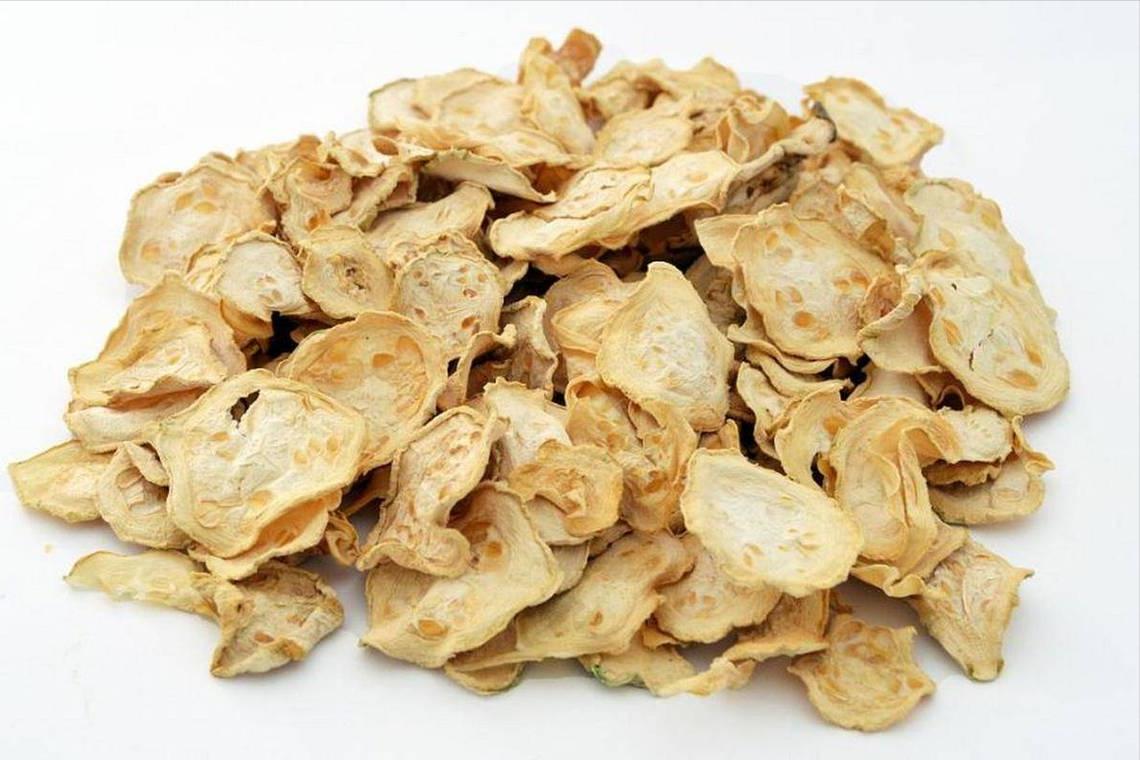
Here's a concrete example:
Master Li, a 50-year-old man, has worked in cold storage for many years. In recent years, he has felt his health deteriorating significantly: he is particularly sensitive to cold, even avoiding fans during summer; his lower back and knees are constantly cold and sore; consuming cold dishes or fruits invariably causes diarrhea; he lacks energy, his face is pale; lately he often feels bodily heaviness, with phlegm in his throat that is neither coughable nor swallowable, and his tongue appears swollen with obvious tooth marks. The doctor diagnosed this as chronic cold exposure damaging spleen and kidney yang energy, resulting in severe cold-dampness, with the dampness having condensed into phlegm. He was prescribed Er Chen Wan in the morning to resolve phlegm, and Fu Zi Li Zhong Wan in the evening to warm yang and disperse cold, along with advice to keep warm. After about three months of this regimen, Master Li has experienced reduced cold sensitivity, improvement in lower back and knee soreness, less frequent diarrhea, decreased bodily heaviness, and significant reduction in phlegm.
Summary Reminder:
Fu Zi Li Zhong Wan eliminates dampness primarily by warming yang and dispersing cold, targeting cold-dampness caused by spleen and kidney yang deficiency. It is less suitable for ordinary dampness (mainly due to spleen deficiency) or damp-heat (manifesting as yellow greasy tongue coating, bitter taste in mouth, etc.).
Dampness often comes "with companions": it may be accompanied by qi and blood deficiency (treat with Gui Pi Wan), or may transform into phlegm (treat with Er Chen Wan). It's essential to consult a doctor for accurate diagnosis and appropriate combination of treatments.
The tongue appearance serves as an important reference: Heavy cold-dampness typically manifests as a pale tongue with white, watery-slippery or white-greasy coating; teeth-marked tongue often indicates spleen deficiency with dampness abundance.
Safety first: Aconite Center-Regulating Pills have warm-drying properties—don’t self-administer indiscriminately. They’re particularly unsuitable for those with yin deficiency-fire excess (hot palms/soles, dry mouth/throat, red tongue with scant coating) or pure damp-heat conditions. Always consult a TCM practitioner for syndrome differentiation to determine suitability and potential need for adjunct herbs.