A Bottle of Guipi Wan: Not Only Nourishes Qi and Blood but Also Regulates These 5 Conditions
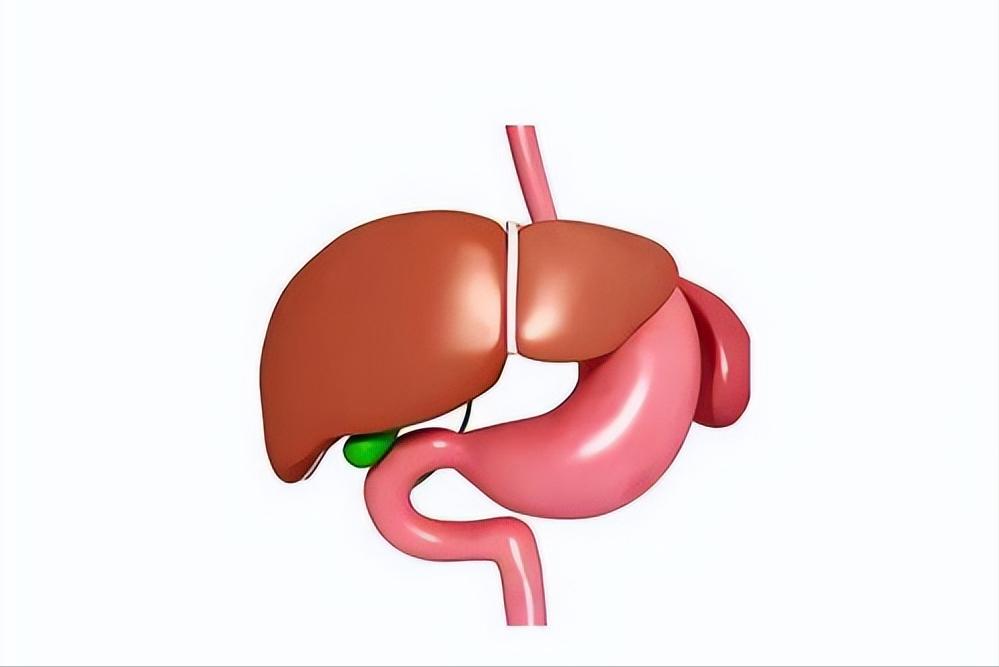
Hello everyone, I'm Dr. Wang. Many people know that Guipi Wan can replenish qi and blood, but they may not realize it can also be useful when seemingly unrelated minor health issues arise. Traditional Chinese Medicine believes that "the spleen and stomach are the foundation of postnatal life" and the source of qi and blood production. When spleen-stomach function improves and qi-blood becomes sufficient with smooth circulation, many problems naturally alleviate. The core function of Guipi Wan's formula lies in regulating the spleen-stomach, nourishing qi-blood, and calming the spirit.
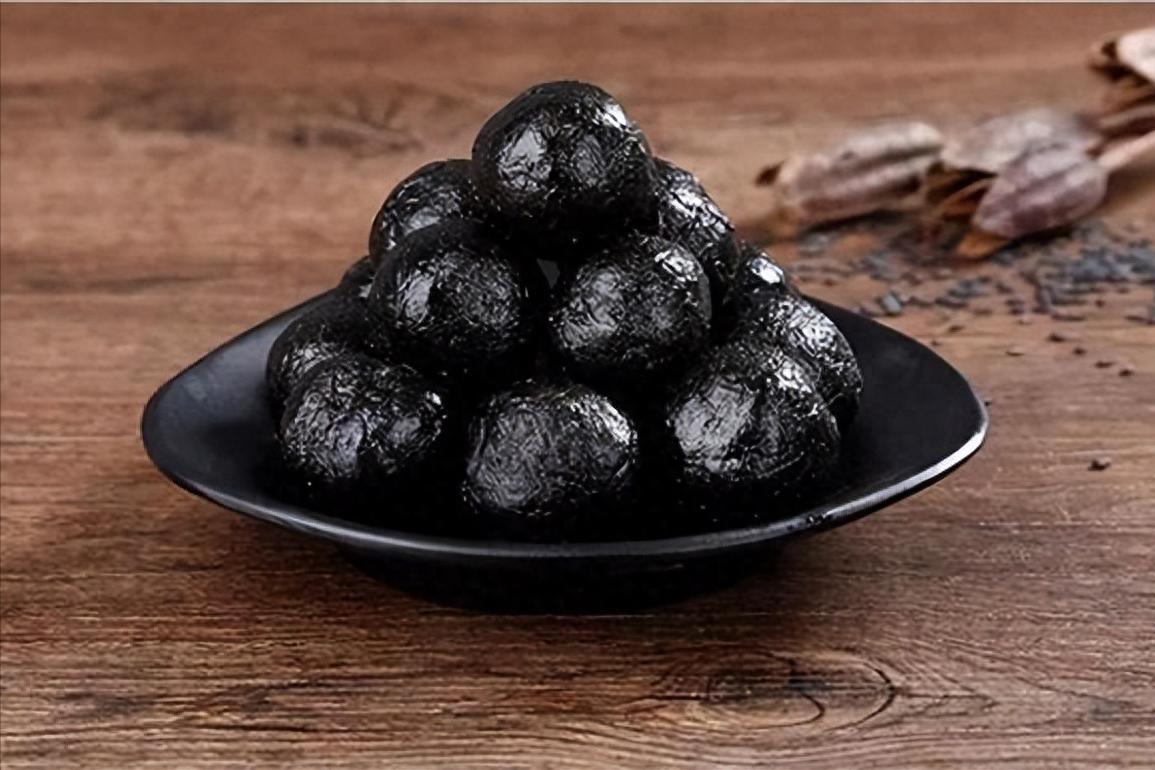
Let's look at some conditions it may help improve:
Restless sleep with frequent dreams and easy awakening: If you often toss and turn without being able to fall asleep, experience constant dreams during sleep, or wake up before dawn while feeling physically exhausted and lacking energy even to speak, this may indicate insufficient qi and blood in both the heart and spleen. Traditional Chinese Medicine states that "the heart houses the spirit" - when qi and blood are inadequate to nourish the heart-mind, it leads to restless sleep. Guipi Wan helps by replenishing qi and blood in the heart and spleen, thereby promoting calmness and improving sleep.
Frequent bleeding or bruising: Examples include bleeding gums while brushing teeth, spotting of blood in stool, or unexplained bruises that appear easily with minor contact. TCM describes the spleen as "governing blood," meaning it regulates blood flow and keeps it circulating properly within vessels. If spleen-qi is deficient, this control weakens, leading to blood "leaking." When accompanied by fatigue, low energy, and dizziness—signs of qi-blood deficiency—Guipi Wan helps replenish spleen-qi and enhance its blood-governing function.
Poor memory, forgetfulness: Feeling like your memory has recently declined, forgetting things almost immediately? Beyond aging, this may also relate to spleen-stomach function. When the spleen-stomach are weak, their ability to produce qi-blood and nutrients diminishes, leaving the brain undernourished and memory impaired. If poor appetite, weak digestion, and easy fatigue are also present, Guipi Wan’s qi-blood tonifying effects can help improve forgetfulness.
Palpitations, rapid heartbeat: Especially among women, there are times when they suddenly feel their heart "skip a beat" or notice their heartbeat becoming fast and heavy, worsening with slight exertion. They may also experience frequent dizziness, weakness, and pale complexion. In TCM, this is often seen as a manifestation of heart-blood deficiency. The heart relies on ample blood for nourishment—when blood is insufficient, palpitations occur. Guipi Wan not only tonifies spleen-qi to generate blood but also nourishes heart-blood to calm the spirit, making it a common remedy for such palpitations.
Stomach discomfort, loss of appetite: Frequently feeling bloated, experiencing dull stomach pain, getting full quickly after eating, poor appetite, along with dizziness and fatigue—these symptoms often reflect blood and qi deficiency. This condition is common in chronic gastritis or functional dyspepsia. Traditional Chinese Medicine attributes it to spleen-stomach weakness and insufficient production of qi and blood. Guipi Wan works by strengthening the spleen-stomach and replenishing qi-blood, improving these "deficiency"-type stomach issues and helping restore appetite and digestion.
A real-life example:
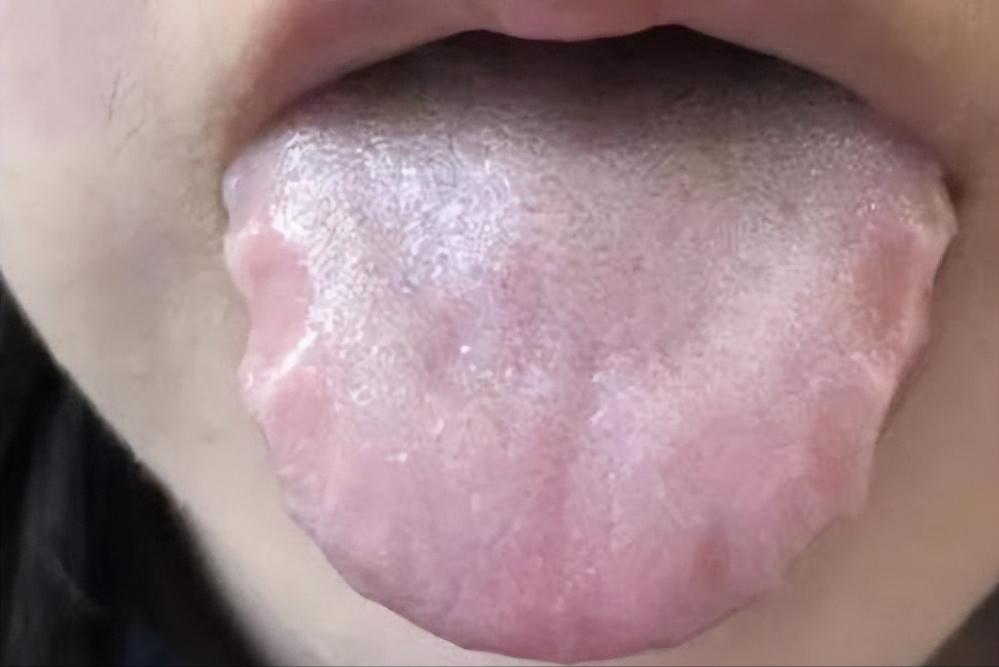
Ms. Li, a 42-year-old middle school homeroom teacher. Over the past two years, due to heavy work pressure, she frequently stayed up late preparing lessons and had irregular meals. Gradually, she began feeling extremely fatigued, experiencing poor sleep with frequent dreams and easy awakening, and noticed worsening memory during the day—sometimes even forgetting lesson content mid-lecture. More concerningly, she experienced noticeable gum bleeding while brushing her teeth and occasional heart palpitations. During a Traditional Chinese Medicine (TCM) consultation, the doctor observed her tongue was pale with tooth marks along the edges (a common sign of spleen deficiency) and her pulse was thin and weak. The diagnosis was primarily heart-spleen deficiency with insufficient qi and blood. The doctor advised lifestyle adjustments and recommended Guipi Wan (Restore the Spleen Pill) for recovery. After two months of consistent use, Ms. Li reported significantly improved energy levels, better sleep quality, nearly resolved gum bleeding, rare occurrences of palpitations, and partial memory restoration. "I feel less drained, as if recharged," she remarked.
Important reminder:
While Guipi Wan is effective, TCM emphasizes "syndrome differentiation and treatment." The cases mentioned above may all reflect heart-spleen deficiency and qi-blood insufficiency, but individual causes could be more complex (e.g., concurrent liver stagnation or phlegm-dampness). Symptoms serve only as references—self-diagnosis should be avoided. Just as colds are categorized into wind-cold or wind-heat types requiring completely different treatments, consulting a professional TCM practitioner for comprehensive evaluation (including symptoms, tongue coating, and pulse) is essential before deciding whether Guipi Wan is suitable and how to take it. Self-medication risks not only poor efficacy but also delayed treatment or adverse effects, which far outweigh any perceived benefits.