No need for jade screens when drenched in sweat— Cinnamon and cornelian cherry are the true aces for stopping perspiration.
When summer arrives or even slight movement leaves you drenched in sweat with soaked clothes, many people immediately think of "Yu Ping Feng San." This formula boosts qi and fortifies the exterior, specifically targeting excessive sweating caused by qi deficiency. It truly works well. However, if you've used Yu Ping Feng San with little effect—or even feel your sweat is cold and experience extreme sensitivity to cold—it may indicate more than just qi deficiency. It could signify a progression to yang deficiency.
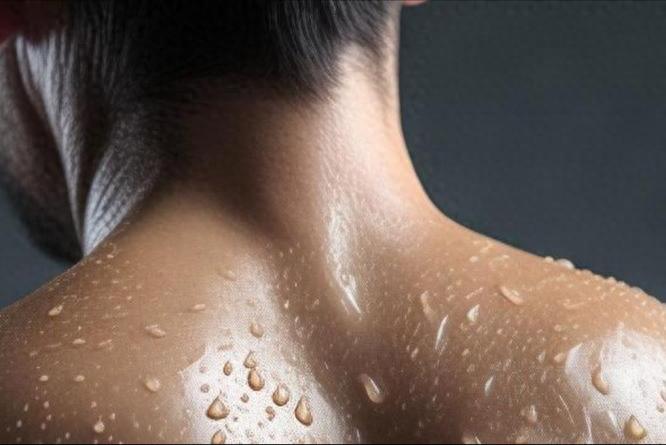
Traditional Chinese medicine teaches that "qi can control bodily fluids." When qi is deficient, it cannot regulate perspiration. However, prolonged qi deficiency weakens the body's warming capacity, potentially leading to yang deficiency. At this stage, mere qi tonification proves insufficient; warming and tonifying yang qi becomes necessary. While Yupingfeng Powder excels at tonifying qi and fortifying the exterior, it lacks direct yang-warming properties. Consequently, it struggles to effectively address profuse sweating caused by yang deficiency.
For profuse sweating due to yang deficiency and instability, especially when accompanied by cold sweat, night sweats, cold hands and feet, weakness in the lower back and legs, extreme sensitivity to wind and cold, and susceptibility to colds, two herbs work exceptionally well together in traditional Chinese medicine: cinnamon bark and cornelian cherry.
Cinnamon: This herb possesses a warm and hot nature, with its greatest strength being the tonification and warming of kidney yang. Traditional Chinese medicine often likens it to the "spark" that ignites the fire of life, particularly adept at nourishing the "fire of the gate of life."When yang energy is replenished, the body's warming power strengthens—like a small sun rising within. This naturally enhances the retention of body fluids and reduces cold sweats. Moreover, it invigorates the circulation of qi and blood, firming muscles and skin while minimizing the opening of sweat pores.
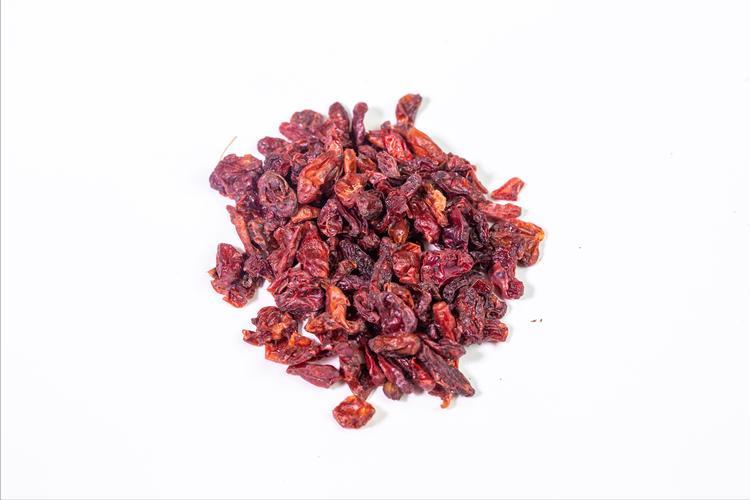
Cornus officinalis: This herb has a sour and astringent taste with a warm nature.Its sourness constricts and consolidates, like tightening a faucet to retain dissipated vital energy and sweat; its warmth aids in promoting and warming yang. Thus, the renowned modern physician Zhang Xichun particularly praised it, calling it "the foremost herb for arresting sweating and rescuing from collapse." It is especially suitable for conditions involving profuse sweating, a feeling of being drained, and when vital energy is on the verge of collapse.
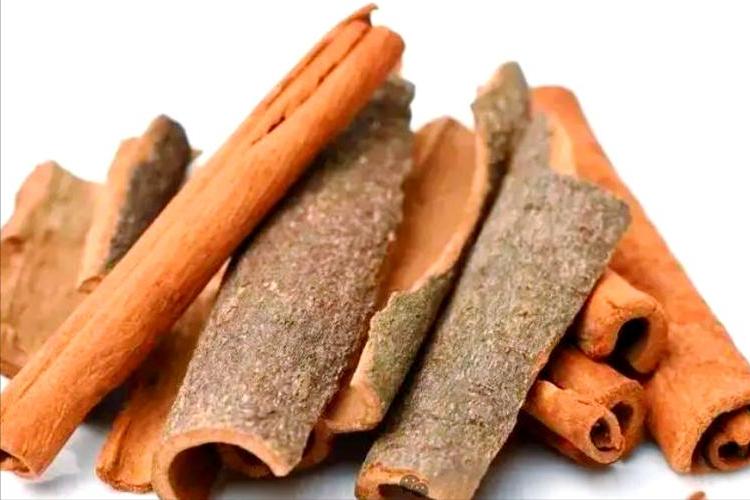
The two work in tandem: Cinnamon warms the "stove" to tonify yang energy, while Cornus "seals the doors and windows" to consolidate and secure. This dual action—warming and consolidating—effectively addresses profuse sweating due to yang deficiency and instability, yielding remarkably pronounced results.
Here's a real-life example:
We encountered a 55-year-old patient, Mr. Wang, at our clinic. He was extremely sensitive to cold, wearing a thick coat even in the summer heat of our examination room. After just a short walk or a meal, he would break out in cold sweat, especially feeling a chill down his back. He also experienced night sweats while sleeping and constantly felt weak and achy in his lower back and knees. His hands and feet remained ice-cold year-round.He had previously tried self-medicating with Yupingfeng Powder, but it proved ineffective. After TCM diagnosis, he was identified as having classic kidney yang deficiency with impaired retention function. We recommended he take cinnamon powder dissolved in water (starting with small amounts) under medical supervision, combined with a decoction of cornelian cherry bark to drink as tea. After about two weeks of consistent treatment, he reported significantly reduced cold sweats, lessened sensitivity to cold, and increased strength in his lower back and legs.
So, if you're also:
Sweating profusely at the slightest provocation, especially cold sweats and spontaneous sweating;
Accompanied by cold hands and feet, soreness in the lower back and knees, aversion to cold, and lethargy;
Using the Jade Screen doesn't work well...
Consider exploring the warming and astringent combination of cinnamon and cornelian cherry under the guidance of a licensed TCM practitioner. Remember, herbal use requires precise diagnosis; always consult a doctor first and avoid self-medication.