Yellow urine, bloated abdomen, frequent flatulence, bitter taste in mouth, bad breath, excessive eye discharge— boil one Chinese herb in water and drink.
Have you ever experienced these troubles: waking up with a dry, bitter mouth, crusted eye discharge in the corners, slightly blurred vision, and eyes often showing red bloodshot veins? At the same time, do you suffer from bloating, frequent flatulence, and unusually dark yellow urine? Some men might also feel dampness or even itching discomfort in the groin or scrotal area.These seemingly unrelated minor issues, from a traditional Chinese medicine perspective, often point to the same underlying problem: damp-heat in the liver and gallbladder.
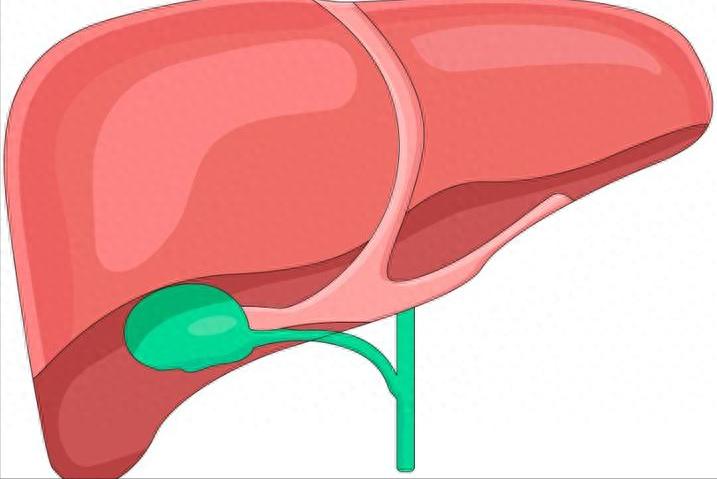
Traditional Chinese medicine holds that the liver and gallbladder are closely connected. The liver governs the free flow of qi, while the gallbladder stores and secretes bile. When the liver and gallbladder become trapped by pathogenic damp-heat (potentially caused by greasy foods, alcohol consumption, late nights, or emotional stagnation), bile secretion becomes impaired. If bile rises upward, it can lead to a bitter taste in the mouth;When damp-heat affects the eyes (since "the liver opens its orifice to the eyes"), symptoms like excessive eye discharge, redness, and blurred vision may appear. If damp-heat descends to disrupt intestinal qi, abdominal bloating and excessive flatulence may occur; if it affects the urinary system, urine may turn yellow. When damp-heat accumulates along the liver meridian's pathways (such as the groin or scrotum), it can easily cause dampness and itching.
In such cases, clearing heat and draining dampness is crucial. There is an affordable Chinese herb that is both food and medicine, highly effective for clearing damp-heat from the liver and gallbladder—it is Artemisia capillaris (also known as Yinchenhao). Its nature is slightly cold, and it has a somewhat bitter taste, but it excels at "clearing heat, draining dampness, promoting bile flow, and reducing jaundice." It can be considered a specialist in tackling damp-heat in the liver and gallbladder.
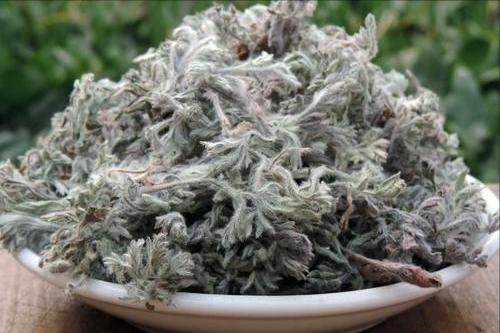
Simple Usage: Take 10-15 grams of Artemisia capillaris, rinse it, add water, bring to a boil, then simmer over low heat for 15-20 minutes. Drink as tea. If damp-heat symptoms are pronounced—such as feeling sluggish and heavy, or having a thick, yellow, greasy tongue coating—add 10 grams of Smilax glabra and boil together.Smilax glabra detoxifies, dispels dampness, and promotes joint mobility. Paired with Artemisia capillaris, it enhances the effect of eliminating damp-heat.
Here's a real-life example: I know a long-haul truck driver named Zhang. He rarely eats on a regular schedule, often grabs fast food, and likes to drink beer to unwind.Lately, he's been complaining about a bitter taste in his mouth upon waking, crusty eye discharge, dry and gritty eyes after long drives, urine as dark as strong tea, constant bloating, excessive flatulence, and itchy red rashes on his inner thighs. He thought it was "heatiness" and drank plenty of cooling herbal tea, but it didn't help much.Observing his yellow, greasy tongue coating and slippery, rapid pulse, I diagnosed classic liver-gallbladder damp-heat. I advised him to boil 15 grams of Artemisia capillaris with 10 grams of Smilax glabra as a daily tea, while urging him to adopt a lighter diet and reduce alcohol intake.After about ten days of consistent use, he reported significant improvement: the bitter taste in his mouth had lessened, eye discharge decreased, his eyes felt more comfortable, his urine color lightened, and both abdominal bloating and itching subsided. Master Zhang's case demonstrates that by accurately identifying the root cause—liver-gallbladder damp-heat—and applying the right method, even a single simple herb can yield remarkable results.

Important Notice:
Effective only for specific conditions: This method is primarily suitable for individuals diagnosed with liver and gallbladder damp-heat according to Traditional Chinese Medicine (TCM) principles. It is most appropriate for those exhibiting the symptoms described above (dry mouth with a bitter taste, excessive eye discharge, dark yellow urine, abdominal distension, and a thick, yellow tongue coating). For similar symptoms caused by other underlying conditions—such as simple stomach fire or kidney yin deficiency—the effectiveness may be limited.
Nature tends to be cooling: Yinchen has a cold and cooling nature. Long-term, excessive consumption on its own may harm the spleen and stomach. If you already have spleen-stomach deficiency-cold (characterized by frequent diarrhea, aversion to cold, and discomfort after consuming cold foods), it is not recommended to use it alone or for extended periods. Discontinue use once symptoms improve, or consult a TCM practitioner to determine if adjustments are needed.
Caution for Pregnant Women: Pregnant women should use under medical supervision.
If symptoms show no improvement or worsen, seek medical attention: If no effect is observed after several days of use, or if you experience stomach discomfort or worsening diarrhea, discontinue use immediately and consult a licensed TCM practitioner. Persistent or complex damp-heat symptoms may require a more comprehensive herbal formula (such as the renowned Yinchenhao Decoction) for treatment.
Don't ignore your body's subtle signals, but there's no need to overreact either. Artemisia capillaris, commonly known as "dampness-expelling herb," is readily available at most pharmacies at an affordable price. For mild liver and gallbladder damp-heat issues, it offers a simple and practical solution. Of course, combining it with lifestyle adjustments—cutting back on greasy and spicy foods, reducing alcohol intake, avoiding late nights, and maintaining a positive mindset—will yield even better results.