Shengmai Decoction is the best tonic for the hottest days of summer, treating ailments in nine types of people.
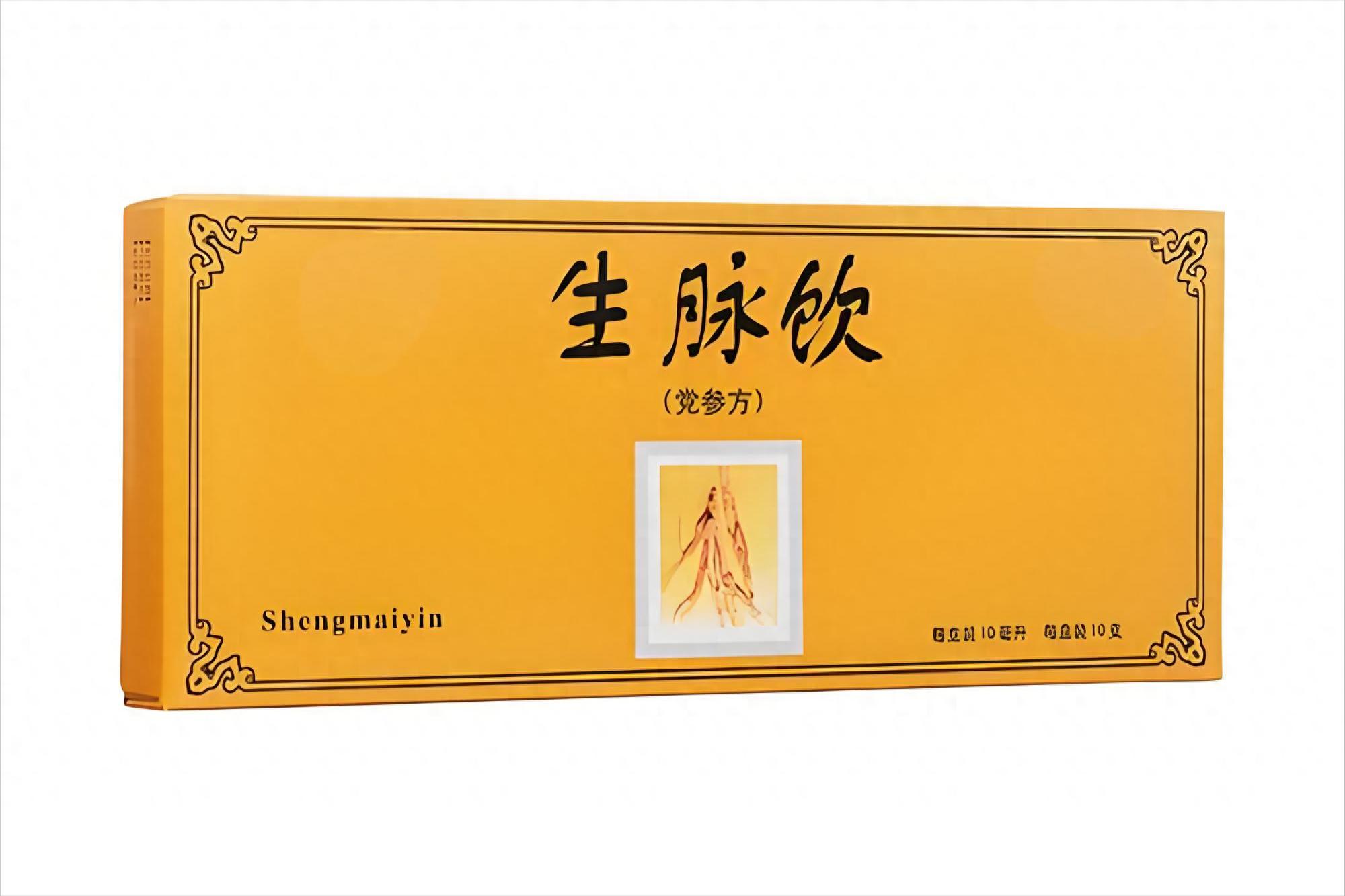
When it comes to the most practical tonic during the dog days of summer, Shengmai Decoction definitely ranks among the top. This formula holds significant importance in traditional Chinese medicine circles. It combines three herbs—ginseng, ophiopogon, and schisandra—harmoniously embodying the principle of "tonifying qi without harming yin, nourishing yin without impeding qi." Today, let's discuss how it can address nine common summer ailments.
First, there's the type who goes limp and listless as soon as the weather turns hot. These people often feel lightheaded and short of breath with the slightest exertion, their backs drenched in sweat, clothes perpetually damp as if freshly washed.Traditional Chinese medicine holds that "sweat and blood share the same origin." Excessive sweating actually depletes heart qi. It's like the tiny hole in a teapot lid—when qi is insufficient, bodily fluids can't be retained. At this point, using Shengmai Decoction is like pumping air into a deflated balloon. Schisandra's astringent properties help close the pores that are letting sweat escape, while Ophiopogon moistens the parched "heart field."
The second scenario involves consistently low blood pressure.Some individuals experience dizziness and a buzzing sensation in their head when standing up after squatting. In traditional Chinese medicine, this is termed "inability of clear yang to ascend," akin to a weak pump failing to deliver water to higher elevations. The ginseng in Shengmai Decoction fortifies the qi of the spleen and lungs, effectively boosting the pump's power. Combined with the yin-nourishing properties of ophiopogon, this allows qi and blood to flow upward like a gentle stream.
The third type concerns those who constantly experience "heatiness" in summer. These individuals suffer from recurring mouth ulcers, parched throats that feel like they're on fire, and an insatiable thirst no matter how much water they drink. When this happens, don't rush to drink cooling herbal tea—first determine if it's "deficient heat." It's like a stove running out of fuel while the pot still simmers: you need to add wood (tonify qi) and water (nourish yin).The Ophiopogon in Shengmai Decoction moistens dryness in the lungs and stomach, while Schisandra berries subdue deficient heat—far more effective than iced herbal tea.

The fourth type involves dizziness upon standing after squatting. This is actually a classic symptom of qi and blood deficiency, much like a phone shutting down automatically when its battery is low. The three herbs in Shengmai Decoction work together: ginseng replenishes qi, ophiopogon nourishes yin, and schisandra fortifies the foundation. This combination provides the body with a "quick charge," replenishing qi and blood, which naturally alleviates the dizziness.
The fifth type concerns the heart that "won't behave." Some individuals constantly feel palpitations, with their heartbeat fluctuating wildly—like the pendulum of an old clock. Traditional Chinese medicine holds that "qi is the commander of blood." When qi is deficient, the circulation of blood loses its vigor. Shengmai Decoction not only replenishes qi but also nourishes yin, helping the heart beat more regularly.
The sixth type is persistent dry cough. These individuals experience coughing without phlegm, accompanied by a dry, itchy throat, and cough suppressants prove ineffective. This often stems from a deficiency of both qi and yin—much like a tree deprived of water, causing its leaves to wither and fall. The ingredients in Shengmai Decoction—Ophiopogon tuber to moisten the lungs, Schisandra berry to consolidate lung qi, and ginseng to replenish qi—work together synergistically. With this three-pronged approach, the cough naturally subsides.

The seventh category concerns women experiencing menopause. At this stage, some women often feel a burning sensation in their palms and soles, suffer from night sweats, and become irritable. This actually reflects a deficiency of kidney yin—much like a furnace with excessive heat causing the water to boil away. Shengmai Decoction nourishes yin and generates fluids, akin to adding water to the furnace to restore balance between yin and yang.
The eighth type is Sjögren's syndrome. Those affected constantly feel dryness in their mouth and eyes, with skin so parched it flakes off like land after a long drought. Traditional Chinese medicine attributes this to insufficient body fluids. The Ophiopogon in the Shengmai Decoction moistens the lungs and stomach, Schisandra berries consolidate fluids, and ginseng replenishes qi and generates fluids. Together, these three herbs act like timely rain on parched land.
Finally, let's address the issue of constipation. Some individuals experience hard, dry stools and difficulty passing them, which often stems from a deficiency of both qi and yin. It's like a riverbed without water—the boat simply cannot move. Shengmai Decoction works on two fronts: it both fortifies qi to propel bowel movements and nourishes yin to moisten the intestines. With this dual approach, constipation is naturally resolved.
However, it's important to note that while Shengmai Decoction is beneficial, it's not suitable for everyone. Avoid taking it when you have a cold or fever, and those with spleen-stomach deficiency-cold who are prone to diarrhea should use it with caution. It's best to take it under a doctor's guidance to truly achieve its health-regulating effects.