Shengmai Yin is the Best Tonic for the Dog Days of Summer, Treating 9 Types of Ailments
When it comes to the most practical tonic during the dog days of summer, Shengmai Yin definitely tops the list. This formula holds special significance in Traditional Chinese Medicine (TCM). It combines three herbs: ginseng, ophiopogon root, and schisandra berry, embodying the principle of "tonifying qi without damaging yin, nourishing yin without obstructing qi." Today, let's discuss the nine common summer ailments it can help regulate.
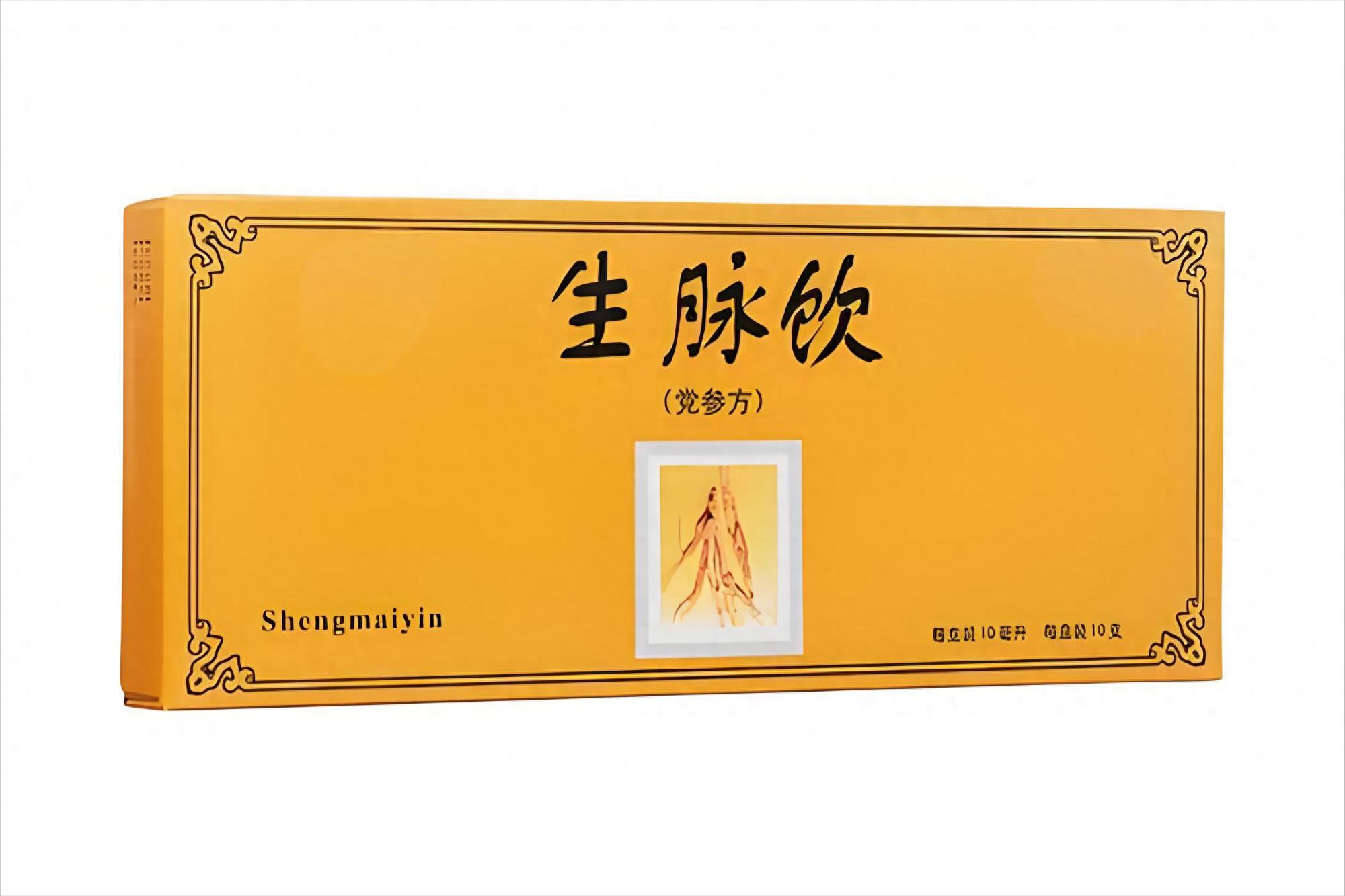
First, let's talk about those who feel lethargic as soon as the weather gets hot. These individuals often experience palpitations and shortness of breath with slight activity, along with a sweaty back that leaves their clothes soaked. In TCM, it's believed that "sweat and blood share the same origin," and excessive sweating actually depletes heart qi. Just like the small hole in a teapot lid, when qi is insufficient, fluids cannot be retained. Drinking Shengmai Yin in this case is like refilling a deflating balloon—the astringent property of schisandra berry helps tighten the sweating pores, while ophiopogon root moistens the parched "heart field."
The second scenario is for those with consistently low blood pressure. Some people experience dizziness and ringing in their ears when standing up from a squatting position. In Traditional Chinese Medicine, this is called "failure of clear yang to ascend", similar to a weak pump unable to deliver water to elevated areas. The ginseng in Shengmai Yin replenishes qi in the spleen and lungs, effectively boosting the pump's power, while the ophiopogon nourishes yin, allowing qi and blood to flow upward like a gentle stream.
The third situation involves those prone to "heatiness" in summer. These individuals suffer from recurrent mouth ulcers, extreme throat dryness, and unquenchable thirst despite drinking copious amounts of water. Rather than rushing for cooling herbal tea, one should assess whether it's "deficiency heat". It's like a stove running out of firewood while the pot still burns - the solution is adding fuel (replenishing qi) and water (nourishing yin). The ophiopogon in Shengmai Yin moistens lung and stomach dryness, while schisandra restrains deficiency heat, proving more effective than cooling herbal tea.

The fourth case concerns those experiencing dizziness upon standing up. This classic manifestation of qi-blood deficiency resembles a phone shutting down due to low battery. Shengmai Yin's three herbs work synergistically: ginseng replenishes qi, ophiopogon nourishes yin, and schisandra consolidates foundation - functioning like a "quick charge" for the body. With sufficient qi and blood restored, dizziness naturally subsides.
The fifth situation addresses an "unruly" heart. Some people frequently experience palpitations with irregular heartbeats, much like the erratic pendulum of an old wall clock. Traditional Chinese Medicine holds that "qi commands blood" - when qi is deficient, blood circulation weakens. Shengmai Yin not only replenishes qi but also nourishes yin, helping the heart maintain a more regular rhythm.
The sixth type is those with persistent dry coughs. These individuals cough without phlegm, experience throat dryness and itching, and find cough suppressants ineffective. This is often due to deficiency of both Qi and Yin, like a tree lacking water where leaves dry up and fall off. The Ophiopogon Japonicus in Shengmai Yin moistens the lungs, Schisandra Chinensis consolidates lung Qi, and Ginseng replenishes Qi—a three-pronged approach that naturally relieves the cough.

The seventh type concerns menopausal women. Some women at this stage often feel heat in their palms and soles, experience night sweats, and become irritable. This is actually a manifestation of kidney Yin deficiency, like a furnace where the fire is too strong while the water is nearly exhausted. Shengmai Yin nourishes Yin and promotes fluid production, akin to adding water to the furnace, restoring the balance between Yin and Yang.
The eighth type is Sjögren's syndrome. These individuals often experience persistent dry mouth, dry eyes, and flaky skin, resembling a drought-stricken land. Traditional Chinese Medicine attributes this to insufficient body fluids. The Ophiopogon Japonicus in Shengmai Yin moistens the lungs and stomach, Schisandra Chinensis retains body fluids, and Ginseng replenishes Qi and generates fluids. The combination of these three ingredients acts like a timely rain for parched land.
Finally, let's address constipation. Some people suffer from dry, hard stools and difficulty in bowel movements, often due to deficiency of both Qi and Yin. It's like a riverbed without water where boats cannot move. Shengmai Yin both replenishes Qi to propel stool movement and nourishes Yin to moisten the intestines—a dual approach that naturally resolves constipation.
However, it should be noted that while Shengmai Yin is beneficial, it is not suitable for everyone. Avoid taking it during colds or fevers, and those with spleen-stomach deficiency or prone to diarrhea should exercise caution. It's best to take it under a doctor's guidance for proper body regulation.