Depression-Induced Liver Stagnation, Diet-Induced Spleen Deficiency: One Chinese Patent Medicine to Soothe the Liver and Strengthen the Spleen
Do you also experience this:
When work gets busy or you feel frustrated, does your chest feel stuffy and uncomfortable until you take deep sighs? Even when seeing delicious food, you lack appetite, and if you force yourself to eat, your stomach bloats like a balloon while bowel movements remain irregular?
If you're experiencing both, it's likely not a serious illness, but rather your "liver" and "spleen" joining forces to "go on strike."
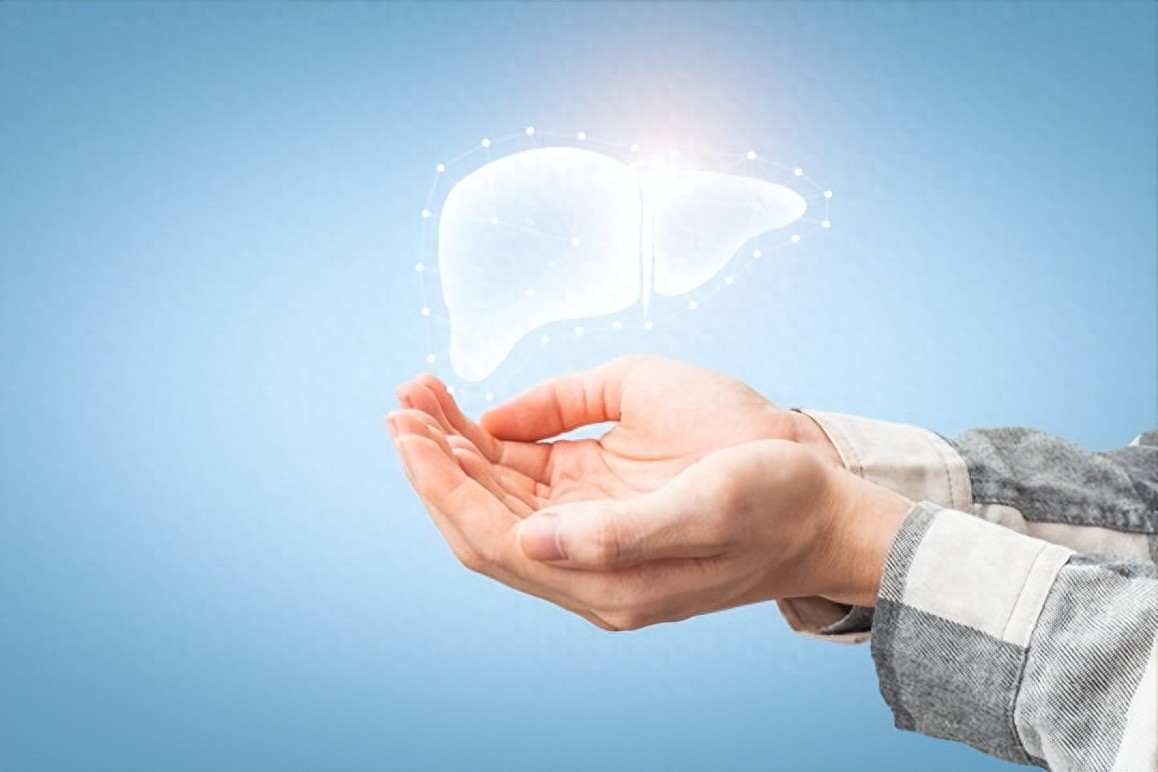
How do the liver and spleen "have a falling out"?
From the perspective of Traditional Chinese Medicine, our bodies function like a precise team, with each organ having its own responsibilities.
The liver serves as our body's "emotions manager." It ensures the smooth flow of qi throughout the body, much like a traffic officer directing roads. If you often suppress anger or feel stressed, this "traffic officer" liver gets "angered" into abandoning its post, causing "traffic jams" (qi stagnation) throughout the body - what we call liver qi stagnation. The most direct symptoms are chest tightness and frequent sighing.
The spleen and stomach serve as our "logistics commander," responsible for processing ingested food into "elite forces" (qi and blood nutrients) and distributing them throughout the body. However, if you have irregular eating habits or frequently consume raw, cold, or greasy foods, this "logistics commander" becomes overworked and declines in efficiency—this is called spleen deficiency. When the spleen is deficient, undigested food and fluids easily transform into "dampness," leading to symptoms like body heaviness, bloating, and sticky stools.

So how do these two end up causing problems together?
It's like this: when the liver is "angered" and in a bad mood, it not only slacks off but also "bullies" the hard-working spleen and stomach next to it (in TCM, this is called "Liver Wood overacting on Spleen Earth"). The already weakened spleen and stomach, further burdened by this disruption, completely lose their functionality.
Thus, the "combo" of liver stagnation and spleen deficiency forms: poor mood leads to poor digestion, trapping the person in a vicious cycle where the more upset they are, the worse their appetite becomes, and the weaker their body gets. Over time, conditions like gastritis or enteritis may truly set in.
A Traditional Chinese Medicine formula to "relieve liver qi stagnation" and "support spleen function"
The wisdom of our ancestors has long considered this condition of "liver-spleen disharmony." There is a traditional Chinese patent medicine called Yueju Baohe Wan that employs an exceptionally ingenious approach. It doesn't focus on just one aspect but rather addresses both issues simultaneously.
You can think of it as a "mediation team":
The vanguard for clearing "traffic jams": Xiang Fu (Cyperus rotundus), Chuan Xiong (Ligusticum chuanxiong), and Mu Xiang (Aucklandia lappa) These herbs are experts in moving qi, acting like path-clearing pioneers that unblock liver qi congestion caused by anger or depression. Once qi flows smoothly, you'll naturally feel less stifled and reduce the urge to sigh.
The support team fueling the "supply line": Shenqu and Atractylodes With the liver no longer "causing trouble," it's time to immediately support the spleen and stomach. Shenqu specializes in aiding digestion of food stagnation, eliminating that "stuffed feeling no matter what you eat." Atractylodes acts like a "dehumidifier," expelling excess "dampness" produced by spleen deficiency, relieving abdominal bloating.
The firefighter preventing "accidental flare-ups": Gardenia When liver qi stagnation persists, it easily "stagnates and transforms into fire," making people irritable, prone to anger, and causing dry mouth with bitter taste. Gardenia serves as the "fire extinguisher" – it clears heat to prevent excessive liver fire from raging.
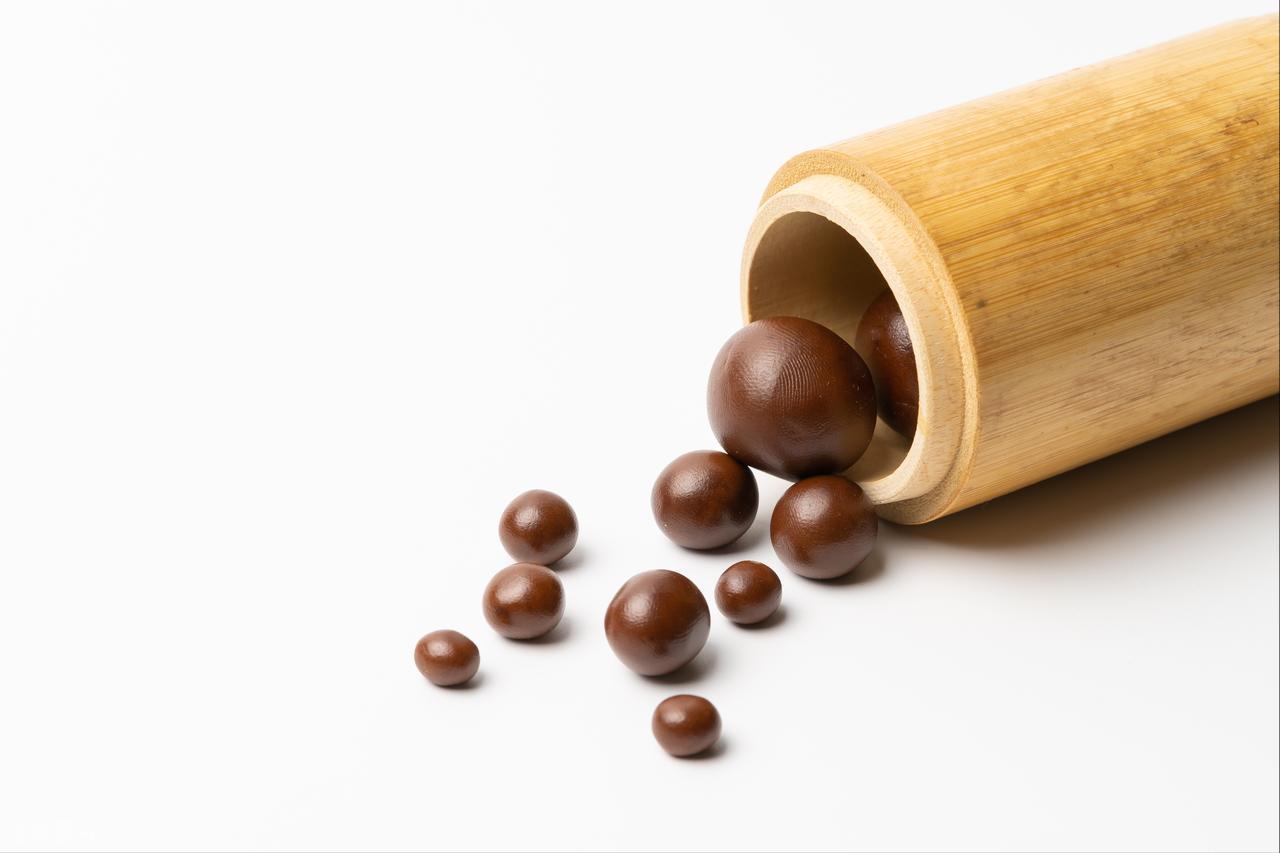
You see, this formula has components for dredging, replenishing, and prevention, with clear division of labor. On one hand, it "smooths the qi" of the liver to stop it from "picking fights"; on the other hand, it "refuels" the spleen and stomach to restore normal digestive function. When the liver and spleen harmonize and qi circulation becomes smooth, you'll regain your appetite, sleep well, feel emotionally balanced, and those minor health issues will naturally fade away.
A final reminder: Traditional Chinese medicine emphasizes syndrome differentiation and treatment. Although Yueju Baohe Pills are a classic prescription, they must be used according to the specific syndrome. If you are uncertain about your condition or your symptoms are complicated, it is best to consult a professional TCM practitioner. Using medication under their guidance is the safest and most effective approach.