Excessive Sweating During Meals May Be Your Body's "Alarm" – Two Common Herbal Remedies to Address It
Many people experience this problem: during summer or even when eating just a few bites of food, they break out in profuse sweating, to the point where their hair becomes soaked and clothes feel sticky, without understanding why. If this occurs frequently, from a Traditional Chinese Medicine perspective, it may be your body sending signals, often due to two main causes: qi deficiency and stomach heat.
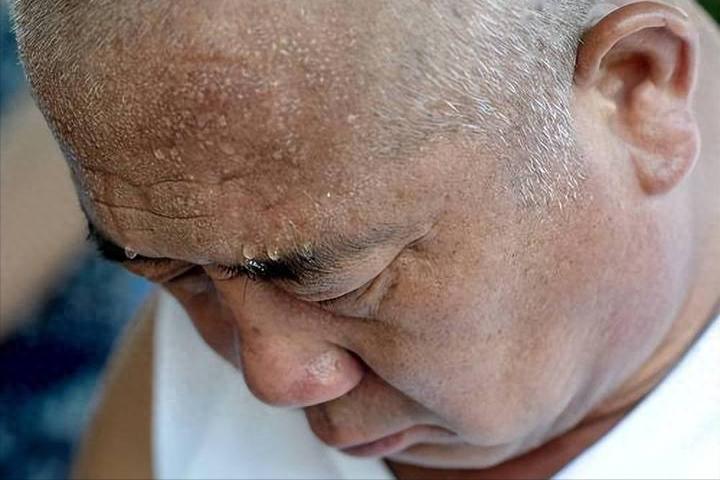
1. Sweating Due to Qi Deficiency: Failure to "Retain the Floodgates"
How does Traditional Chinese Medicine view this? TCM believes that "qi" has a consolidating and containing function, acting like a "gate" that manages body fluids. If qi becomes deficient, this "gate" doesn't close properly. Especially during meals when qi and blood are mobilized for digestion, it can lead to uncontrollable sweating.
Associated manifestations: In addition to profuse sweating during meals, patients often experience shortness of breath (difficulty getting enough air), reluctance to speak, mental fatigue, general weakness, and becoming easily exhausted with minimal physical activity.
Simple conditioning reference:
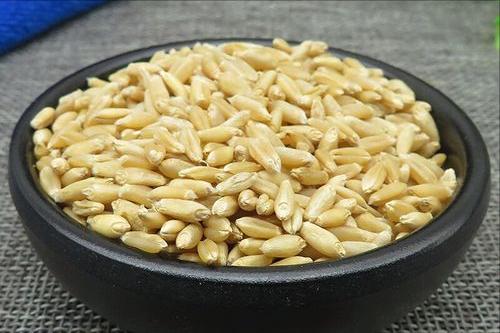
Method: Take 30g of light wheat (Triticum aestivum) + 15g of astragalus root (Astragalus membranaceus), wash thoroughly, add water and bring to a boil. Then simmer for 20-30 minutes and drink as tea.
Mechanism of Action: Astragalus is a "master" at replenishing qi, capable of boosting qi and strengthening the body's surface, thereby enhancing the ability to retain sweat. Light wheat excels at stopping sweating. When combined, these two herbs help replenish qi, consolidate the exterior, and arrest sweating.
2. Stomach Heat Type Sweating: Heat "Steaming" Upward
TCM Perspective: If there is accumulated heat in the stomach, this internal heat rises upward like steam, primarily affecting the head and face, forcing body fluids (sweat) to be expelled profusely from the head.
Associated Symptoms: This type of sweating is typically concentrated on the head and face, especially noticeable during meals. It may also be accompanied by symptoms of "heatiness" or damp-heat, such as a flushed face, bitter taste in the mouth, bad breath, preference for cold drinks, and sticky, unsatisfactory bowel movements.
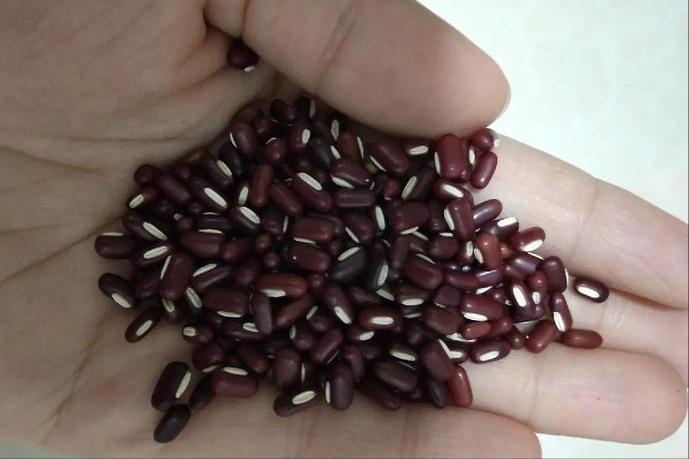
Method: Take 30g of red beans (Phaseolus calcaratus) + 20g of coix seed (Semen Coicis), optionally adding some rice or millet to cook into porridge for consumption.
Mechanism of action: Both red beans and coix seed can clear heat and promote diuresis. Red beans predominantly clear heat, while coix seed excels at fortifying the spleen and eliminating dampness. Their combination helps clear stomach heat and remove internal dampness, thereby alleviating head sweating caused by upward steaming of stomach heat.
Here's an example from someone close:
Case 1 (Qi Deficiency): Aunt Liu, 55, a retired teacher. In recent years, she sweats excessively while eating, especially on her forehead and neck, using several tissues per meal. She often feels tired, speaks softly, and gets breathless climbing stairs. She tried the astragalus and wheat bran tea mentioned above, brewing a pot daily to drink as water. After about two weeks of consistent use, she noticed significantly less sweating during meals and felt less weak and fatigued.
Case 2 (Stomach Heat): Xiao Chen, 28, a programmer who loves spicy hot pot and barbecue. He noticed frequent profuse sweating while eating, especially with hot and spicy foods, with sweat dripping down. He also experienced bad breath and sticky stools that cling to the toilet. Following the advice, he cooked red bean and barley porridge several times a week for breakfast or dinner. After about a month, he felt his head sweating was less severe, bad breath improved, and bowel movements became smoother.
Important reminder:
Sweating moderately during meals is a normal physiological phenomenon, especially in hot weather or when eating hot foods. The concern here refers to abnormally increased and persistent profuse sweating on the head.
The two small methods introduced above are targeted at relatively typical cases of head sweating during meals caused by qi deficiency or stomach heat (damp-heat).
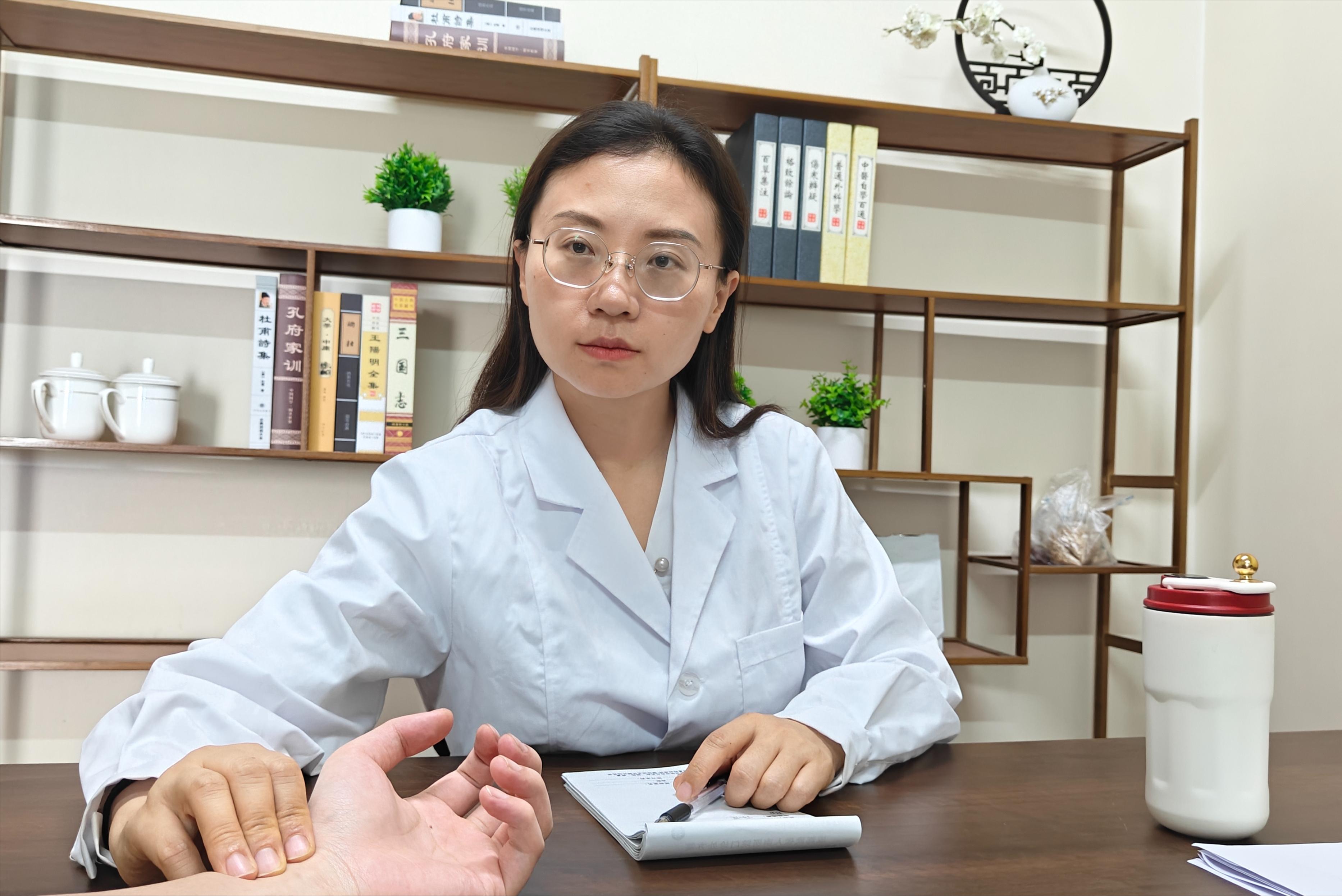
Traditional Chinese medicine emphasizes syndrome differentiation: There are many other causes for abnormal sweating, such as yin deficiency with fire effulgence (often accompanied by night sweats and irritability), menopausal syndrome, or certain diseases (like hyperthyroidism). It's essential to first identify your specific condition.
This method is suitable for mild symptoms or as complementary therapy: If excessive sweating is severe or accompanied by other noticeable discomfort, it is strongly recommended to consult a doctor (TCM or Western medicine) first to rule out other underlying conditions and receive targeted treatment or therapy under medical supervision. Self-medication without guidance may delay proper care.