No matter what refractory disease it is, as long as you know how to use aconite to mobilize qi transformation, you can turn the situation around.
From the perspective of Traditional Chinese Medicine, many lingering and hard-to-cure ailments often stem from dysfunction in the body's "qi transformation." Simply put, it means insufficient bodily energy, where basic functions like fluid metabolism and qi-blood circulation become "stuck." At this point, properly using aconite—a powerful herb for "restoring yang and rescuing from collapse"—can often act like a key to "lever open" the body's qi transformation function again, reversing the situation. Below, I'll share seven practical clinical experiences in using aconite, hoping to offer some inspiration.
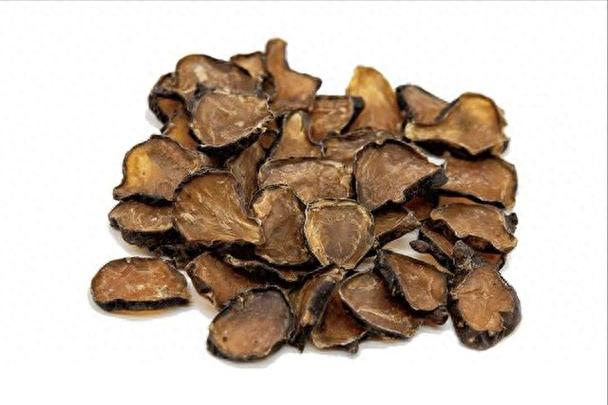
For stubborn pain, aconite should be "boldly used" and "used heavily": When dealing with severe conditions like cold joint pain, lumbar and leg pain, or cold-type stomach pain, this usually indicates deep-seated cold and blocked meridians. In such cases, the dosage of aconite shouldn't be too conservative. I typically start with 20 grams (must be boiled first and for a long time to detoxify) and gradually increase based on the patient's reaction and tolerance. If the cold is particularly severe and the pain intense, it's often combined with prepared Sichuan aconite (Chuan Wu) to enhance the power of dispelling cold and relieving pain.
"Slow to start"? Try adding some aconite: Sometimes when prescribing, the diagnostic direction is correct, but the patient's response to the medication is just mediocre, with slow results. In such cases of "difficulty starting," I often add a small amount of aconite (e.g., 6-10 grams) to the formula. It acts like an "igniter," quickly stimulating the body's qi transformation response and allowing other medications to take effect faster.
For treating internal cold, aconite and dried ginger are an "ironclad duo"; for treating external cold, fresh ginger can help: If the patient has internal deficiency-cold, such as extreme chills, diarrhea, and cold hands and feet extending above the elbows and knees, aconite must be paired with dried ginger. Dried ginger "holds" without moving, firmly retaining the heat of aconite to warm the deeper organs. For chills and clear runny nose caused by external wind-cold, dried ginger isn’t always necessary; pairing with fresh ginger to disperse external cold can also be effective.
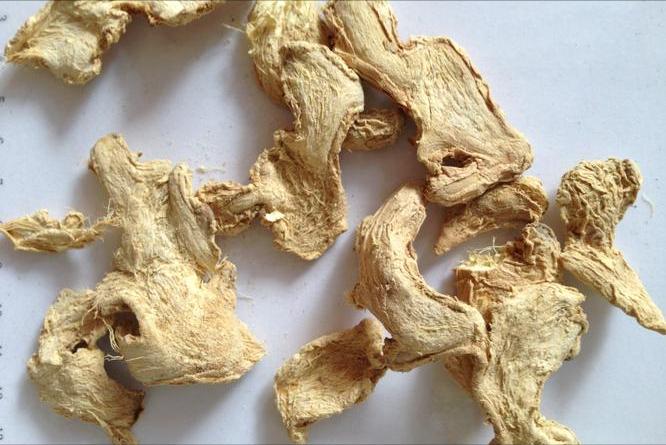
Pulse as thin as a thread? Aconite needs to "partner" with yin-nourishing and blood-tonifying herbs: When encountering a patient with an extremely thin and weak pulse, like a silk thread, this often indicates deficiency of both qi, blood, and yin essence. In such cases, using aconite requires extra caution and must be combined with yin-nourishing and blood-tonifying herbs, such as cooked rehmannia, angelica, white peony root, and donkey-hide gelatin. Using aconite alone is like applying intense fire—it can easily "dry up" the already scarce qi and blood, making things worse.
Aconite actually has a broad range of applications; the key is whether there is "excess heat": Many people fear using aconite, thinking it is too heating. In reality, as long as the patient doesn’t show clear signs of "excess heat"—such as high fever, flushed face, bad breath, constipation, yellow, thick, and cracked tongue coating, or a pulse that is rapid and strong—then, depending on the condition, appropriately incorporating some aconite into many formulas can often yield unexpected results. It is not limited to purely cold patterns.
Aconite + Clematis Root: Specifically Targets "Rheumatic Bone Pain": For stubborn conditions like rheumatoid arthritis and ankylosing spondylitis, collectively known as "Bi Syndrome," characterized by joint stiffness, swelling, pain, cold and wind aversion, I've found the combination of aconite and clematis root to be particularly effective. Aconite warms yang and dispels cold, while clematis root excels at unblocking collaterals, eliminating wind-dampness, and relieving Bi pain. Together, they penetrate deep into the bones and joints to remove cold-damp pathogens.
【Real Case Study】 Last year, I treated a 52-year-old woman, Ms. Wang, who had suffered from rheumatoid arthritis for over a decade. Her finger joints were deformed, with morning stiffness lasting more than 2 hours, and pain worsening upon exposure to cold—she couldn't even touch cold water in summer. Her condition was diagnosed as yang deficiency with cold-damp obstruction. In addition to the base formula, I emphasized the use of prepared aconite (decocted first) 20g paired with clematis root 15g. After three months of consistent treatment, her morning stiffness reduced to under 30 minutes, joint pain significantly decreased, and she regained the ability to wash vegetables herself even in winter—greatly improving her quality of life.
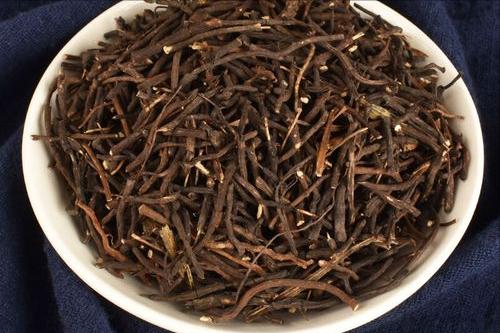
Aconite "ignites the fire" but does "add fuel"—supporting yang requires "sweet herbs" for assistance: This point is crucial! Aconite excels at "warming yang" and "unblocking yang"—it ignites the body's yang qi fire and clears channels obstructed by cold. However, it does not inherently "produce" yang qi, meaning it does "not tonify yang." To truly replenish yang qi, aconite must be paired with sweet, warm qi-tonifying herbs like ginseng, astragalus, honey-fried licorice, and jujube. Think of it like lighting a fire for warmth: aconite is responsible for sparking the flame and stoking it (warming and unblocking), while ginseng and astragalus act as the "firewood" (tonifying qi to support yang) added to the stove. Only then can the fire burn vigorously and last long.
When used appropriately, aconite (Fuzi) indeed becomes a powerful tool for tackling difficult medical challenges. However, as a "general's herb" with potent and aggressive properties, special attention must be paid to its combination with other herbs and preparation methods (detoxification through prolonged decoction is key!). Most crucially, accurate pattern differentiation is essential. The seven points mentioned above summarize my clinical experience, all centering on the concept of "qi transformation," with the hope of helping practitioners utilize this "life-saving yang-restoring" herb more safely and effectively. Remember: the essence of Chinese herbal medicine lies in adapting treatment to individual constitution, seasonal changes, and local conditions - never apply prescriptions mechanically.