Dry Mouth Points to Kidneys, Bitter Mouth to Liver, Bad Breath to Stomach—Remember These 3 Affordable Medications
Abnormal sensations in the mouth—like dryness, bitterness, or bad breath—often signal internal organ imbalances. Identifying the root cause and applying the right approach can achieve twice the result with half the effort. Remember this simple association: dry mouth often relates to kidney issues, bitter mouth frequently connects to the liver and gallbladder, while bad breath usually originates from spleen and stomach problems. Below, I'll share corresponding TCM-based adjustment methods and affordable Chinese patent medicines, combining theory with clinical experience.
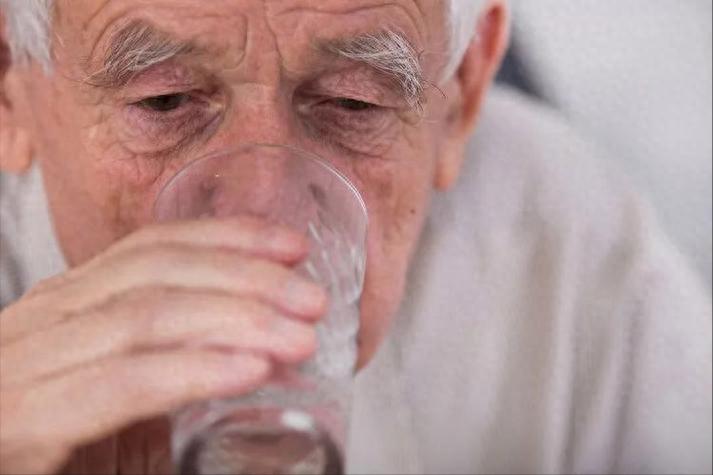
1. Always Thirsty Despite Drinking? The Root Cause Often Lies in Kidney Yin Deficiency
Symptoms: Persistent dry mouth despite drinking plenty of water, particularly noticeable at night or after exhaustion. May be accompanied by warm palms and soles, night sweats (盗汗), irritability, and poor sleep.
TCM perspective: In Traditional Chinese Medicine, the kidneys store essence and govern fluid metabolism. Kidney yin acts like "cooling water" in the body, moisturizing all tissues. When kidney yin becomes deficient, this "water" becomes insufficient and fails to reach the mouth, leading to persistent dry mouth. Symptoms like restlessness, night sweats, and insomnia also reflect internal heat generated from yin deficiency.
Treatment approach: The key is to replenish kidney yin and clear deficient fire.
Affordable common remedy: Zhi Bai Di Huang Wan (or its modified formulas). This ready-made formula enhances the basic kidney-yin-nourishing Liu Wei Di Huang Wan by adding Anemarrhena (知母) and Phellodendron (黄柏), specifically strengthening its yin-nourishing and fire-reducing effects for kidney yin deficiency with excessive fire patterns.
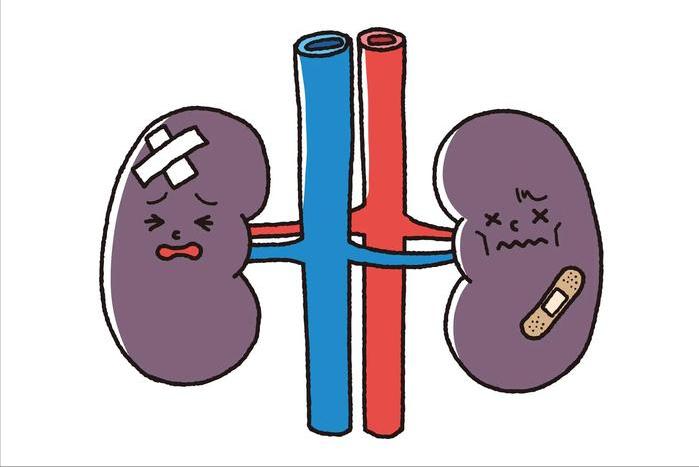
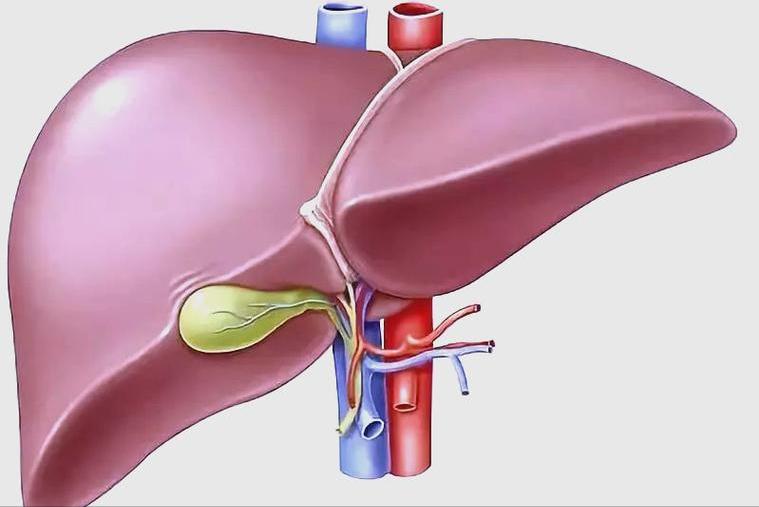
2. Bitter taste in the mouth? Be alert to "fire" or "dampness" in the liver and gallbladder.
Manifestations: Waking up in the morning or after feeling stressed or angry with a bitter taste in the mouth that sometimes doesn't go away even after drinking water. Such individuals often have an impatient temperament, are prone to anger, or frequently experience discomfort and distension in the hypochondriac region (both sides of the body).
TCM perspective: The liver governs free flow, and the gallbladder stores and excretes bile. If liver qi stagnation persists and transforms into fire (liver fire excess), or if the liver and gallbladder are constrained by damp-heat pathogens, leading to impaired bile excretion or upward rebellion, this "fire" or "damp-heat" qi steams upward to the mouth, causing a bitter taste. Hypochondriac distension and pain, along with irritability, are typical signs of dysfunction in the liver and gallbladder's free flow.
Treatment approach: Clear and purge excess fire from the liver and gallbladder; clear and drain damp-heat from the liver and gallbladder.
Affordable Common Medication: Gentian Liver-Draining Pill (or its modified formulas). Ingredients such as gentian root, gardenia, and scutellaria in this formula powerfully clear liver and gallbladder fire and damp-heat, while bupleurum, angelica sinensis, etc., help soothe the liver and regulate qi. Alisma, akebia, and plantago seeds promote diuresis to eliminate damp-heat through urination.
Caution: This formula has strong purgative effects and should not be taken long-term after symptom relief. It should be used cautiously by those with spleen-stomach deficiency-cold or a tendency to diarrhea.
3. Embarrassing Bad Breath? Spleen-Stomach Damp-Heat Is a Common Culprit
Symptoms: Unpleasant breath noticeable to oneself or others, especially after meals or consuming greasy food. Often accompanied by abdominal distension, indigestion, sticky and incomplete bowel movements that adhere to the toilet. Tongue coating typically appears yellow, thick, and greasy.
How Traditional Chinese Medicine Views It: The spleen governs the transportation and transformation of food and fluids, while the stomach governs the reception and digestion. When dietary habits are uncontrolled—such as consuming excessive greasy, spicy, or sweet foods, or overeating—the burden on the spleen and stomach becomes excessive. Food then stagnates in the stomach and intestines, producing dampness and generating heat over time, leading to spleen-stomach damp-heat. This turbid damp-heat rises upward, becoming the source of bad breath. Abdominal bloating, sticky stools, and a yellow, greasy tongue coating are all manifestations of internal damp-heat accumulation.
Regulation direction: Clearing heat and resolving dampness, awakening spleen and harmonizing stomach, eliminating food stagnation.
Common affordable medications: Huoxiang Qingwei Pills or Niuhuang Qingwei Pills.
Huoxiang Qingwei Pills: Focuses on aromatic dampness resolution, spleen awakening and stomach opening, heat clearing and stagnation removal. Effective for halitosis, abdominal distension, indigestion, and greasy tongue coating caused by damp-heat, with relatively mild medicinal properties.
Niuhuang Qingwei Pills: Stronger in clearing heat and purging fire (contains artificial bezoar, rhubarb, etc.), with more pronounced laxative and stagnation-relieving effects. Suitable for severe halitosis accompanied by obvious constipation, oral ulcers, and excessive stomach fire.
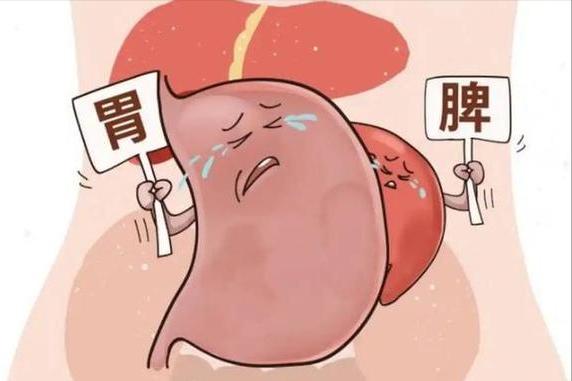
Summary: Dry mouth, bitter taste, and bad breath are signals from the body. Remember this simple association: "Dry mouth points to kidney yin (Zhibai Dihuang Wan), bitter taste indicates clearing liver-gallbladder (Longdan Xiegan Wan), and bad breath suggests regulating spleen-stomach (Huoxiang/Niuhuang Qingwei Wan)." This can help us quickly identify the right direction for conditioning. While using these affordable Chinese patent medicines, combining them with lifestyle adjustments will yield more stable results. However, accurate syndrome differentiation remains essential—seek medical attention promptly for complex conditions.