Tianwang Buxin Dan regulates the upper burner, Xiangsha Liujun Wan harmonizes the middle burner, and Yiguan Jian adjusts the lower burner
In Traditional Chinese Medicine, the human body is broadly divided into three regions: the "upper burner," "middle burner," and "lower burner." Only when these functions are coordinated can the body operate smoothly. When any section becomes "blocked," corresponding problems will manifest. Understanding the characteristics of these three burners and their corresponding regulation approaches can help us better interpret the body's signals and choose appropriate methods. Below, I will introduce three classical formulas for addressing burner obstructions, combining TCM theory with clinical practice.
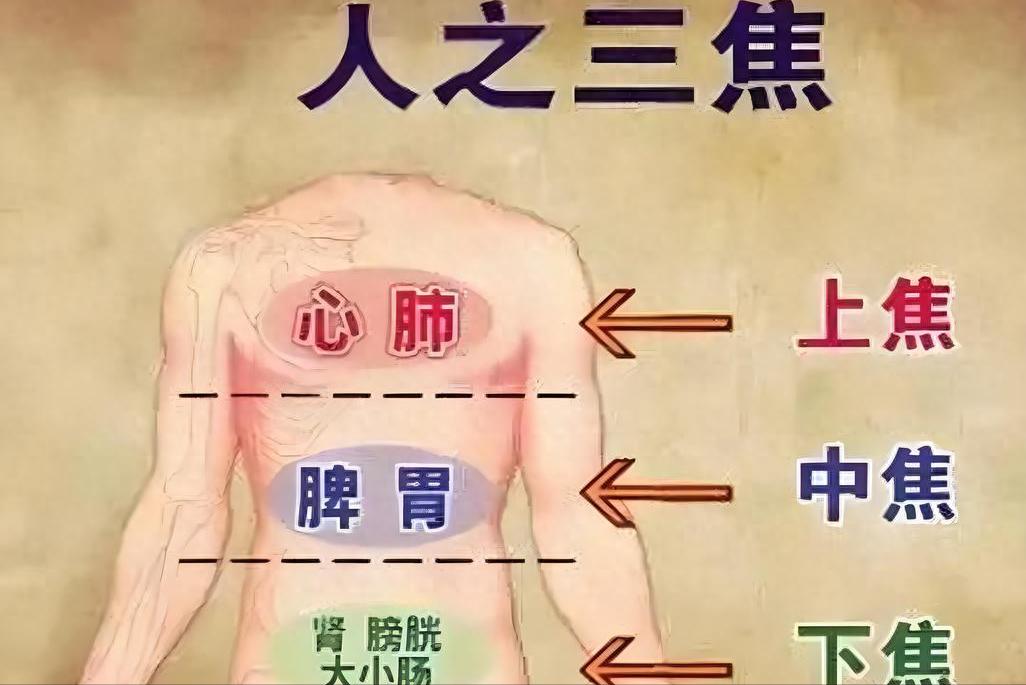
1. Upper burner obstruction: Heart-lung imbalance with difficult descent of heart fire - Tianwang Buxin Dan
Location and Function: The upper jiao primarily refers to the heart and lungs. The heart governs blood vessels and mental activities, while the lungs control respiration and regulate dispersion and descent. The coordinated functioning of the heart and lungs ensures the normal distribution of qi and blood.
Manifestations: If the upper jiao functions are disrupted, especially when excessive heart fire fails to descend, symptoms of "heatiness" may arise, such as restlessness, difficulty falling asleep or restless sleep with frequent waking, a sensation of chest tightness, shortness of breath, palpitations, mouth and tongue ulcers, and acne breakouts.
Core TCM Regulation Principle: Clear heart fire, nourish yin-blood, and calm the mind to soothe excessive heart fire and restore mental tranquility.
Common Formula: Tian Wang Bu Xin Dan (Emperor of Heaven's Special Pill to Tonify the Heart). This formula includes ingredients like raw Rehmannia root and scrophularia root to nourish yin and clear heat, danshen root and Chinese angelica to nourish blood and activate circulation, as well as sour jujube seed, arborvitae seed, and polygala root to nourish the heart and calm the mind. Platycodon root assists in directing the effects upward. This formula not only clears heart fire but also nourishes heart blood and calms the mind, making it a common prescription for addressing upper jiao stagnation caused by heart yin deficiency and upward disturbance of deficient fire.
2. Middle Burner (中焦) Stagnation: Spleen-Stomach Weakness with Phlegm-Damp Obstruction - Xiangsha Liujun Pills
Location and Function: The Middle Burner's core consists of the spleen and stomach. The spleen governs transportation and transformation of water and grains, while the stomach governs reception and decomposition. They serve as the "central base" for qi and blood production.
Manifestations: Irregular eating habits, excessive consumption of cold/raw foods or rich greasy foods most easily damage the spleen and stomach. When spleen-stomach function is impaired, transportation becomes weak, leading to water-dampness accumulation that transforms into phlegm-damp obstructing the Middle Burner. Symptoms include: poor appetite, early satiety, heavy sluggish body, general malaise, sticky mouth sensation, excessive phlegm, loose unformed stools or sticky difficult-to-wipe stools.
TCM Treatment Principle: Fortify the spleen and boost qi, dry dampness and transform phlegm, regulate qi and harmonize the stomach. Restore the spleen-stomach's transformative capacity to resolve and eliminate stagnant phlegm-dampness.
Commonly Used Formula: Xiangsha Liujun Wan (Costus and Amomum Six Gentlemen Pills). This formula builds upon the foundational spleen-strengthening and qi-boosting prescription "Sijunzi Tang" (Four Gentlemen Decoction) by adding two qi-regulating and spleen-awakening herbs - Saussurea (Mu Xiang) and Amomum (Sha Ren) - which also resolve dampness and stimulate appetite, along with Citrus Peel (Chen Pi) to help dry dampness and transform phlegm. The overall effect focuses on replenishing qi and fortifying the spleen while simultaneously regulating qi and resolving dampness to promote smooth qi movement in the middle burner.
3. Lower Burner Obstruction: Liver-Kidney Imbalance with Essence Insufficiency - Yiguan Jian (Linked Decoction)
Location and Function: The lower burner primarily encompasses the liver and kidneys. The liver governs free coursing, while the kidneys store essence, govern water metabolism, dominate bones, and generate marrow. These organs are involved in reproduction, growth and development, and foundational energy.
Manifestations: When lower burner functions are disrupted, particularly with liver-kidney yin deficiency, the liver's free coursing may become dysfunctional while the kidney's storage capacity weakens, leading to "essential substances" leakage or inadequate nourishment. Common issues include: weakness and soreness in the lower back and knees, dizziness and blurred vision, tinnitus resembling cicada sounds, memory decline, premature graying or hair loss. Men may experience sexual dysfunction, premature ejaculation, or involuntary loss of seminal fluid; women may exhibit menstrual irregularities or scanty menses.
The Core of Traditional Chinese Medicine Regulation: Nourishing Liver and Kidney Yin Blood, Soothing Liver Qi. Replenishing the yin essence of the liver and kidney to allow smooth flow of liver qi and secure storage of kidney essence.
Commonly Used Formula: Yiguan Jian. This formula primarily uses large quantities of liver and kidney yin-nourishing and blood-tonifying herbs such as raw Rehmannia root, Adenophora root, Ophiopogon root, wolfberry, and Chinese angelica. It is combined with Sichuan chinaberry to soothe liver qi and prevent excessive stagnation from the nourishing herbs. It excels in treating lower jiao disorders caused by liver and kidney yin deficiency and liver qi stagnation, emphasizing "nourishment" and "regulation."

Summary: Understanding the functions of the upper, middle, and lower burners (San Jiao) and their common obstructions helps us interpret bodily signals. Tianwang Buxin Dan primarily regulates yin deficiency with fire effulgence in the upper burner (heart and lungs), Xiangsha Liujun Wan excels at relieving qi deficiency with damp retention in the middle burner (spleen and stomach), while Yiguan Jian mainly addresses yin deficiency disorder in the lower burner (liver and kidneys). Through real case studies, we observe the importance of accurate diagnosis and proper medication selection. However, always remember that the three burners function as one integrated unit, where pattern differentiation and comprehensive care remain fundamental.