Drinking Astragalus Regularly Can Alleviate Numerous Illnesses; Adding This Ingredient Doubles Its Efficacy—Affordable and Effective
Many people know that astragalus is beneficial—when feeling tired or low on energy, they grab a handful to brew in water, hoping it will replenish their qi. This approach isn’t wrong; astragalus is renowned as a "master qi-tonifying herb."
But have you ever wondered why some people experience noticeable effects while others feel little to no difference?
In Traditional Chinese Medicine (TCM), our body is viewed as an intricate "mini-system." Simply "refueling" the system (supplementing qi) isn't enough—we must also ensure the "fuel lines" are clear and the "engine" functions properly. If we blindly focus on qi supplementation without consideration, it may ironically lead to a "traffic jam" in our system.
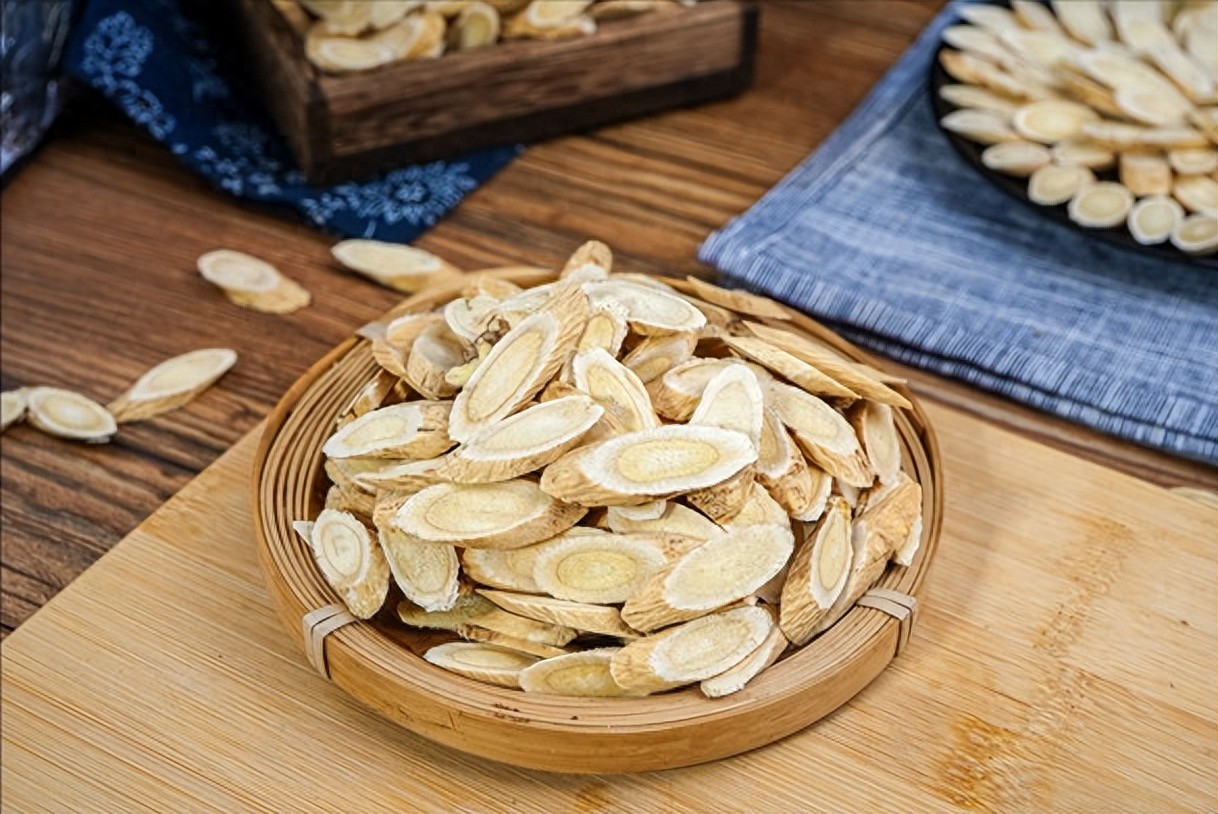
Today, we'll teach you three clever pairing methods to combine astragalus (huangqi) with powerful helpers, ensuring the supplemented qi is truly utilized by your body!
1. No appetite and bloating after eating? Pair astragalus with its "spleen-stomach steward"—white atractylodes (baizhu)
Do you also experience this: feeling constantly fatigued with reduced appetite, food getting stuck in your stomach after eating, abdominal distension, and consistently sticky, formless stools?
In traditional Chinese medicine, this is considered "spleen deficiency." The spleen functions like our body's "logistics director," responsible for converting what we eat into usable energy (qi and blood). When the spleen becomes weak, its efficiency declines, and the energy supply naturally can't keep up.
In such cases, using astragalus alone to replenish qi is like forcibly feeding raw materials into a dysfunctional factory. However, combining astragalus with atractylodes makes all the difference. Astragalus boosts energy, while atractylodes, the "stomach-spleen housekeeper," strengthens the spleen and dispels dampness, revitalizing the "logistics department." One adds fuel, the other repairs the engine—working together to improve digestion, enhance qi and blood, and naturally boost energy.
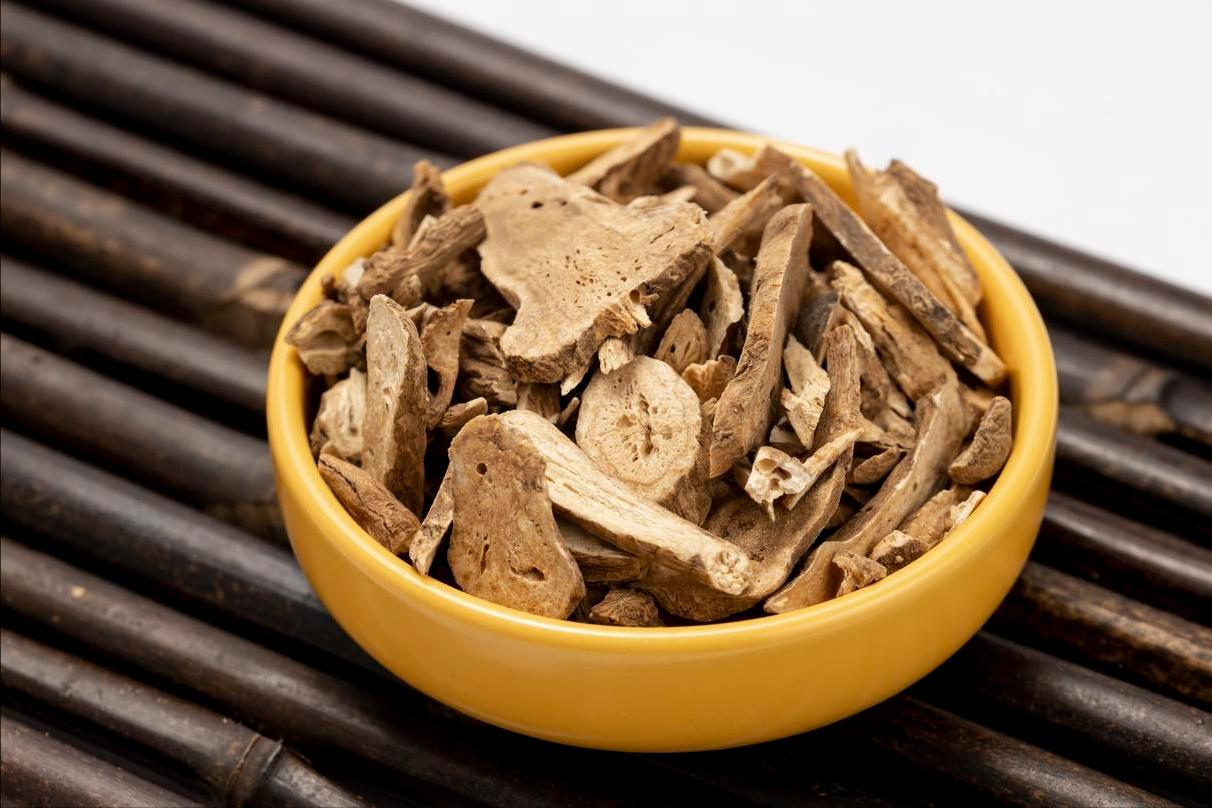
2. Dull complexion, numb hands and feet? Pair astragalus with a "path-clearing pioneer"—salvia miltiorrhiza
Some people feel they have deficient qi, but also have a persistently dull, lackluster complexion. They may experience unexplained points of stabbing pain on their bodies or occasional numbness in their hands and feet.
This is often a case of "qi deficiency with blood stasis." Traditional Chinese Medicine states that "qi is the commander of blood" - qi is the force that drives blood circulation. When the commander lacks strength, the soldiers (blood) naturally can't move forward and get stuck on the path, which is what we call "stasis."
In such cases, using astragalus (huang qi) alone to replenish qi isn't powerful enough to move the stagnant blood. However, when astragalus is paired with salvia root (dan shen), the situation improves. Astragalus strongly replenishes qi, providing ample driving force, while salvia root serves as a "path-clearing pioneer" skilled at invigorating blood circulation and removing stasis, unblocking obstructed blood vessels. One powerfully pushes from behind, while the other clears obstacles ahead - once qi and blood flow smoothly, the complexion naturally becomes rosy, and physical numbness and pain can also be alleviated.
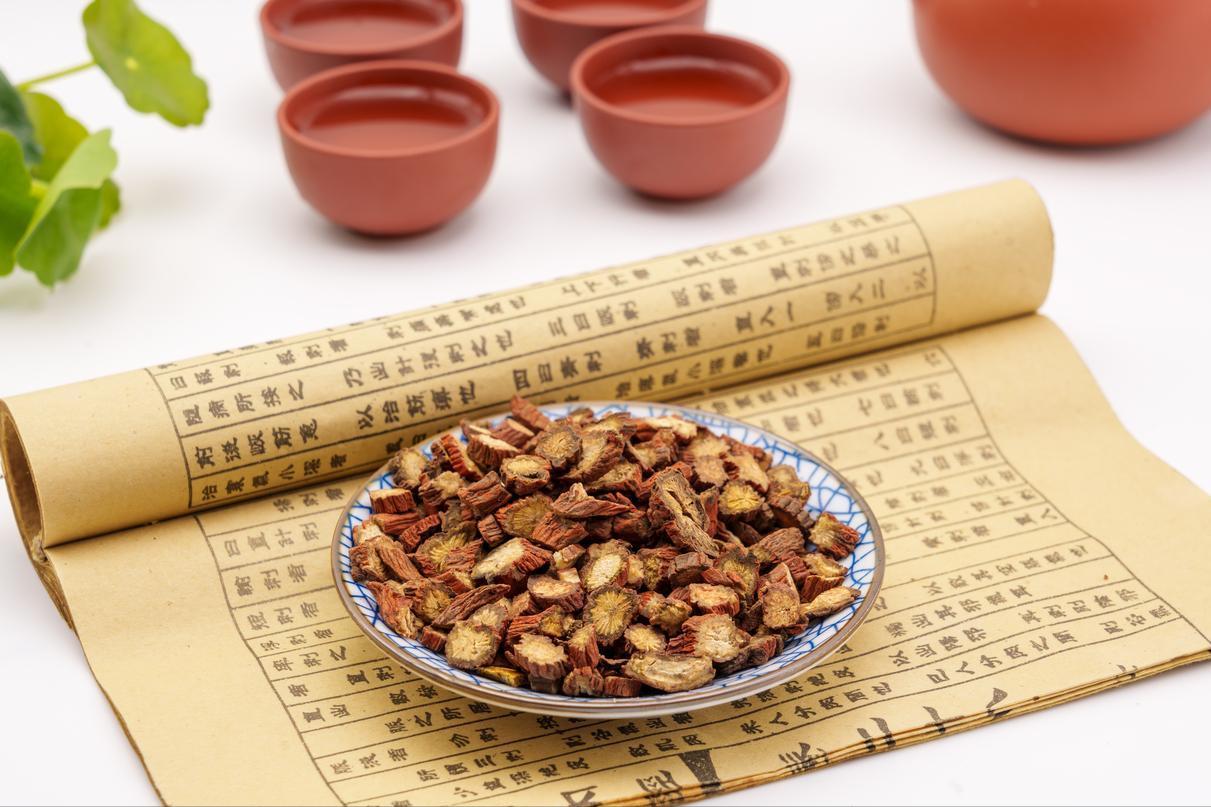
3. Prone to sighing with chest oppression? Pair astragalus with an "emotional regulator" - bupleurum (chai hu)
Modern people face significant stress, and many experience this: not feeling physically tired, yet unable to be happy, frequently needing to take deep sighs to feel comfortable, and experiencing distension in the chest and under the ribs on both sides.
This is most likely due to "liver qi stagnation." In our bodies, the liver acts as the "commanding general" responsible for regulating qi movement, ensuring smooth circulation of energy throughout the body. Emotional disturbances can easily provoke this "general" to act up, causing qi to become blocked midway.
At this point, if you only replenish qi, it's like pumping air into an already clogged pipe—it will only become more bloated and uncomfortable. Adding Bupleurum (Chai Hu) to Astragalus (Huang Qi) is particularly effective. Bupleurum specializes in soothing liver stagnation and resolving depression, effectively "unclogging" the blocked qi, relieving the "general's" frustration. Meanwhile, Astragalus replenishes the body's deficient qi. One is responsible for "regulating qi," the other for "tonifying qi"—this combination not only lifts the mood but also restores physical strength, bringing relief to both body and mind.
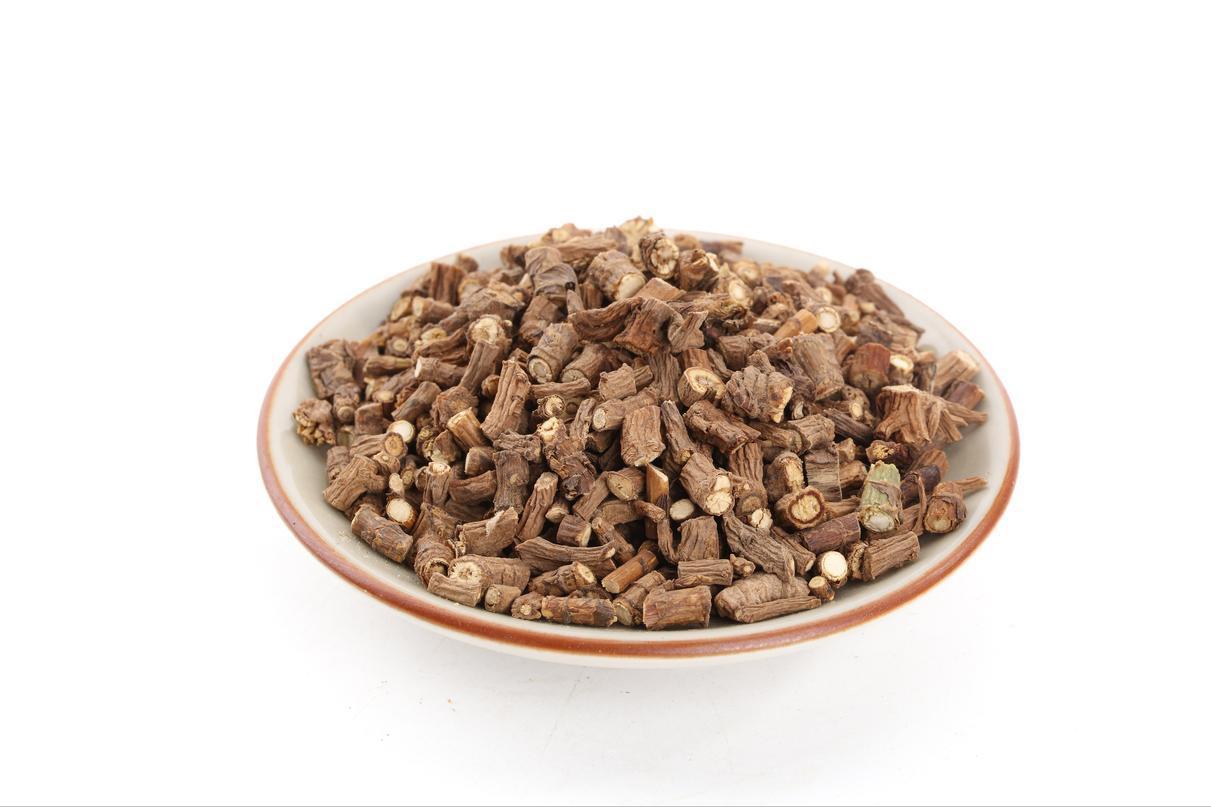
Final reminder:
While herbal combinations are beneficial, everyone's physical condition is unique. The small remedies mentioned above are relatively general approaches. If you're unsure about your specific condition or have complex health issues, it's best to consult a professional TCM practitioner for diagnosis and personalized treatment to ensure the remedy matches the condition!