When spleen deficiency persists and Codonopsis pilosula and Atractylodes macrocephala prove ineffective, it's time to unblock the intestines with Citrus aurantium and Magnolia officinalis for immediate results.
As we all know, spleen deficiency requires supplementation. Herbs like Codonopsis pilosula and Atractylodes macrocephala that strengthen and tonify the spleen are commonly used effective assistants in TCM. But sometimes, even after using these tonifying herbs, the results aren't satisfactory - you might even feel more bloated and uncomfortable. What's going on here?

The key likely lies in: overlooking the importance of "unblocking."
In TCM, the spleen and stomach don't just refer to these two organs individually—they encompass the entire digestive system, especially the large and small intestines responsible for transmission and excretion. For the spleen and stomach to function properly, transforming what we eat into nutrients and distributing them throughout the body, relying solely on their own "healthy movement" (strong functionality) isn't enough. The intestinal "passage" must also remain unobstructed.
When the intestines are blocked, the spleen and stomach "can't turn." Imagine this: If waste from digestion can't be expelled due to intestinal blockages and accumulates in the abdomen (what TCM calls the "middle burner"), it will obstruct the spleen-stomach's transformation and transportation functions. Over time, spleen deficiency not only fails to improve but may worsen, leading to a dilemma where "the more you tonify, the more blocked it gets."
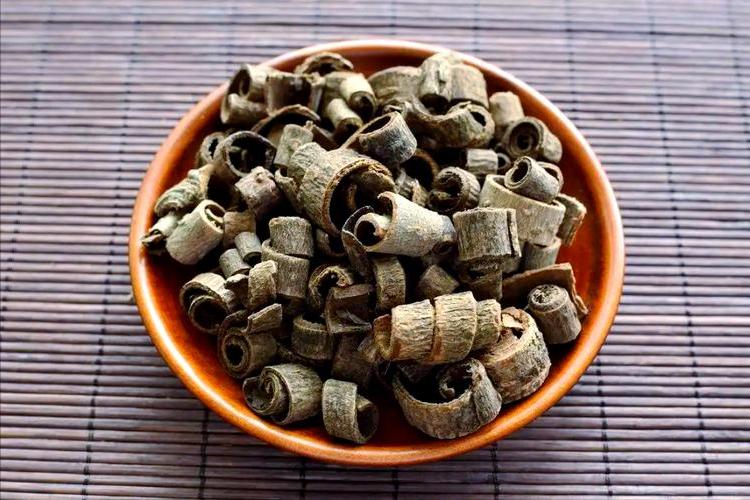
At this point, tonifying alone isn't enough—you must first "unblock"! Herbs like Zhi Shi (Immature Bitter Orange) and Hou Po (Magnolia Bark) are particularly suited for this stage. Both target the spleen-stomach and large intestine meridians, with the primary effects of "breaking qi and relieving fullness, moving qi to resolve stagnation"—simply put, they help push intestinal qi downward, eliminate bloating, and assist in the expulsion of accumulated waste.
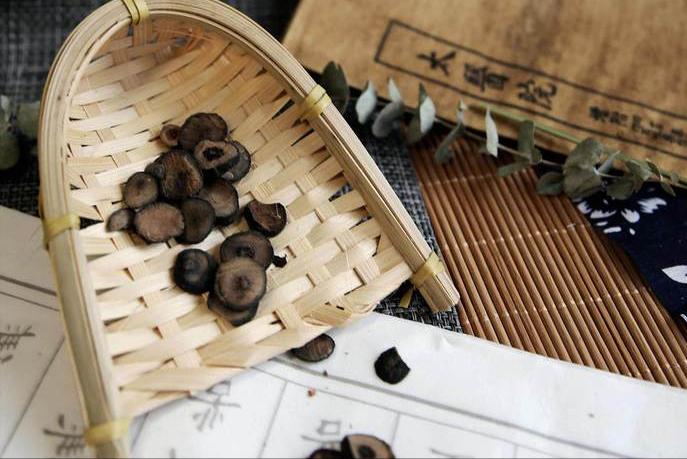
Once intestinal qi movement is smooth and stagnant waste is cleared, the burden on the spleen and stomach eases, allowing their inherent "transformation and transportation" function to gradually recover. Therefore, when addressing chronic spleen deficiency, you can't just focus on "tonifying"—you must also consider "unblocking." Don't only target "strengthening the spleen"—you must also pay attention to "clearing the bowels" (regulating intestinal function).
Real-life case: I recently encountered Aunt Wang in clinic, nearly 60 years old. She'd been suffering from spleen deficiency for years with symptoms like poor appetite, fatigue, and loose sticky stools that clung to the toilet bowl. Previous TCM treatments mainly used spleen-tonifying herbs like Codonopsis (Dang Shen), Atractylodes (Bai Zhu), and Chinese yam (Shan Yao), but the effects were inconsistent. Recently she developed severe abdominal distension - feeling like a ball was stuck inside - and lost her appetite completely. Upon examination, I found her tongue coating thick and greasy with a deep sluggish pulse, clearly indicating severe intestinal obstruction (qi stagnation with damp retention) on top of spleen deficiency. I added two key herbs - Bitter Orange (Zhi Shi) and Magnolia Bark (Hou Po) to her spleen-strengthening formula to specifically regulate intestinal qi movement. Remarkably, after just three days of taking the formula, Aunt Wang reported significant relief from bloating, improved appetite, and smoother bowel movements. This perfectly demonstrates how restoring intestinal function allows the spleen to resume its normal transformative functions.
Treatment approach summary: TCM employs tiered strategies for spleen deficiency:
Basic tonification: Herbs like Codonopsis and Chinese yam gently replenish spleen qi to enhance transformation and transportation.
Spleen-strengthening with dampness resolution: Herbs such as Atractylodes and Tangerine Peel (Chen Pi) both fortify the spleen while drying dampness and stabilizing the middle burner.
Purging Stagnation: When encountering long-term spleen deficiency with ineffective tonics, especially with obvious bloating, constipation, unsmooth bowel movements, or a thick and greasy tongue coating, herbal medicines like *Zhishi* (Immature Bitter Orange) and *Houpo* (Magnolia Bark) are needed. Their function is to unblock the intestines, break up stagnation, and restore the smooth function of the "production line" of the spleen and stomach. This step is often the key breakthrough in resolving stubborn spleen deficiency.
So, if you or your family and friends also suffer from spleen deficiency and find conventional tonics ineffective, perhaps it's time to consider focusing on "unblocking" the system. Of course, specific medication should always be prescribed by a professional TCM practitioner based on syndrome differentiation. Everyone is welcome to share their tongue images or questions in the comments section—let's discuss together!