When kidney yin cannot be replenished, add Chinese yam; when kidney yang cannot be replenished, add atractylodes; when kidney essence cannot be replenished, add bupleurum.
Many male patients often complain: "I've taken kidney-tonifying medicine, but why does it seem ineffective?" Actually, this is like irrigating a dry field—simply releasing water isn't enough; you must first clear the ditches and repair the ridges. Today, I'll teach you three classic "guiding herb" pairing methods used by experienced TCM doctors that can double the effectiveness of kidney tonification.
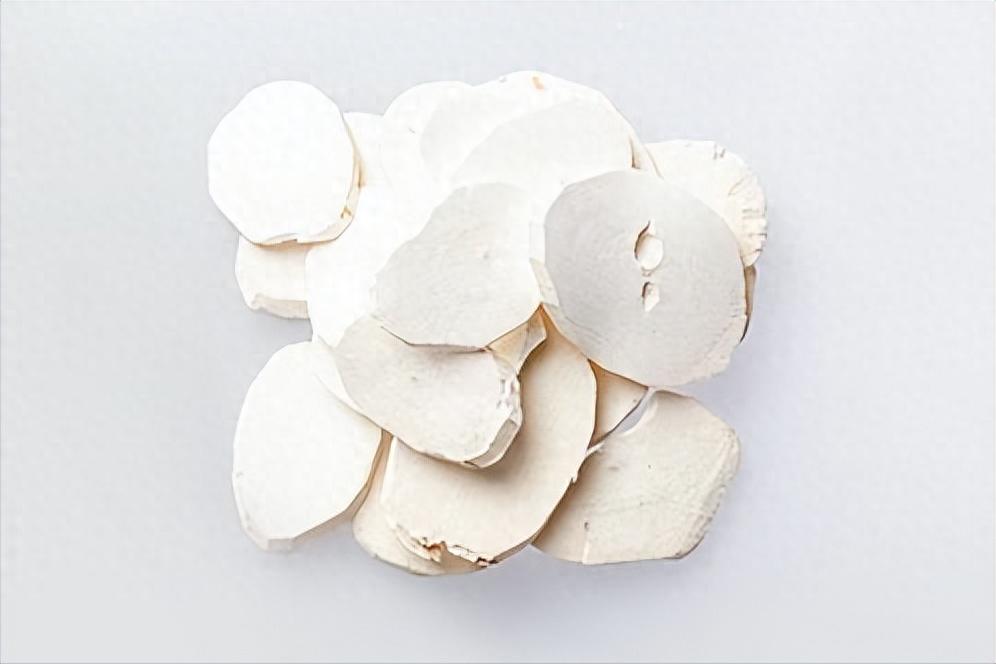
1. Always getting heat symptoms when tonifying kidney yin? Chinese yam serves as the "path-opening vanguard"
Many people experience diarrhea or chest tightness when taking Liuwei Dihuang Pills—this isn’t due to the medicine being ineffective. Yin-nourishing herbs are like adding oil to a lamp, but for those with weak spleen and stomach, the wick is clogged by damp-phlegm, so no matter how much oil is added, the lamp won’t ignite. In such cases, using Chinese yam (shān yào) as a base is key—it strengthens the spleen, nourishes the stomach, and consolidates kidney essence. Experienced TCM practitioners often say: "Chinese yam, white in color, enters the lungs; sweet in taste, returns to the spleen; its concentrated essence benefits the kidneys." It acts like a diligent butler, first taking care of the spleen and stomach—the "logistic minister"—so that yin-nourishing herbs can be properly transformed. We recommend cooking fresh Chinese yam into porridge, consuming about 100g daily, as a gentler approach than solely relying on medication.
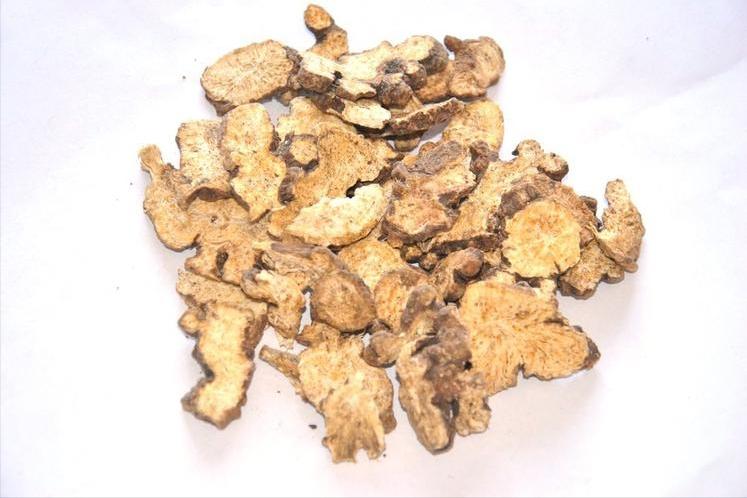
2. Feeling More Fatigued When Taking Yang-Boosting Herbs? Atractylodes to "Clear the Path"
People with yang deficiency often have cold hands and feet, yet some who consume Guifu Dihuang Pills end up feeling more exhausted. This is usually due to internal damp-phlegm obstruction. Picture trying to heat a stove in winter—if the chimney is blocked by soot, adding more coal won’t make it burn brighter. Atractylodes (cāng zhú) is uniquely effective: it sweeps away damp-phlegm like a broom and acts like a bellows to promote yang qi circulation. In the past, elders would first brew Atractylodes and aged tangerine peel tea for three days to expel dampness before taking tonics—boosting subsequent yang-tonifying effects by 30%. Caution: Atractylodes is drying, so those with yin deficiency and excess heat should use it sparingly.
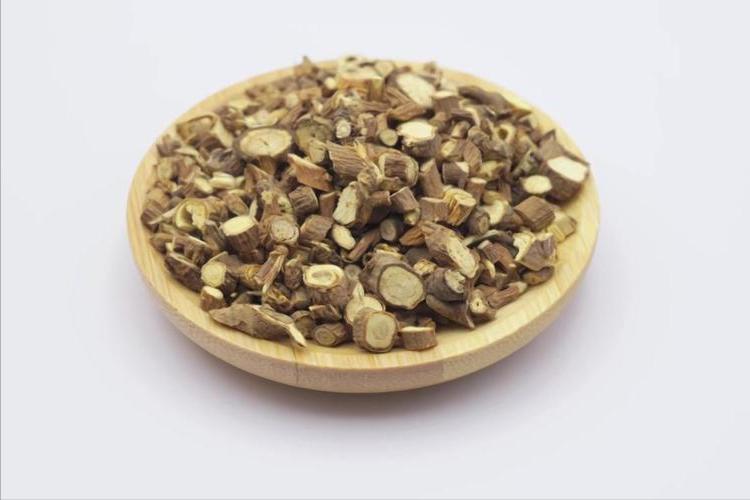
3. No Results from Replenishing Kidney Essence? Bupleurum "Loosens" the Liver’s Constraints
Some friends find that tonifying kidney essence doesn't yield results, while also experiencing bitter taste in the mouth, insomnia, and low mood - this suggests considering liver stagnation issues. Traditional Chinese Medicine states "the liver and kidney share the same origin," where liver qi stagnation acts like placing a lock on kidney essence. In such cases, using Bupleurum (Chai Hu) is like finding the key - it can both soothe liver stagnation and uplift yang qi. However, using Bupleurum alone isn't strong enough; experienced TCM doctors often combine it with White Peony Root (Bai Shao) and Angelica Sinensis (Dang Gui) to form a "Liver-Soothing and Blood-Nourishing" combination. For such cases, it's recommended to steep 5g of Bupleurum with green tea daily, which can regulate qi without damaging yin.
A final reminder for everyone: Kidney tonification isn't simply about "replenishing what's deficient." It's like farming - you need good seeds (proper medication), well-prepared soil (spleen-stomach regulation), and weed removal (phlegm-dampness elimination). If anyone has similar symptoms but isn't sure, you can comment "1" or post your tongue picture in the comments section. I'll provide pattern differentiation for free.