The best method for yang supplementation is to first take Guizhi Fuling Wan (Cinnamon Twig and Poria Pill), followed by Fuzi Lizhong Wan (Aconite Center-Regulating Pill).
Many people who know they have yang deficiency (manifesting as cold intolerance, cold hands and feet, and easy fatigue) immediately think of taking warming and tonifying medications like Fuzi Lizhong Wan. While this approach isn't wrong, sometimes the results aren't ideal, or it may even feel like "the supplementation isn't being absorbed." This is likely because there's "blockage" in the body, particularly blood stasis obstructing the channels of qi and blood.
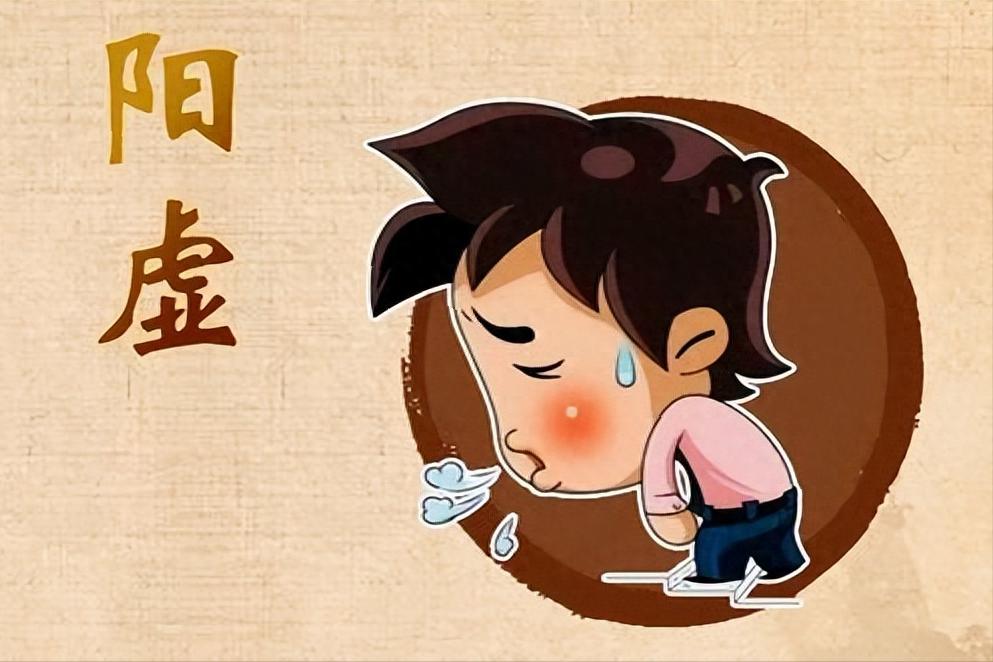
Why does the body become "blocked" after prolonged yang deficiency?
In Traditional Chinese Medicine (TCM), it is said that "yang deficiency leads to cold." Insufficient yang qi in the body is like a weak stove fire, making it easier for cold to linger. When cold persists for a long time, it affects the circulation of qi and blood, gradually forming blood stasis in the vessels. This is similar to water pipes in winter—when the temperature is too low, the water can freeze and cause blockages. Once blood stasis forms, it acts like a roadblock in the pathways of qi and blood circulation. At this point, if you take warming and replenishing herbs (such as Fuzi Lizhong Pills), their effects will be obstructed by this "roadblock," making it harder for the medicine to reach where it is needed, thereby significantly reducing its efficacy.
The "Trailblazer" for Removing Blood Stasis: Guizhi Fuling Wan (Cinnamon Twig and Poria Pill)
In such cases, traditional Chinese medicine often follows the principle of "first dredge, then tonify." Guizhi Fuling Pill frequently plays the role of this "path-opener."
Cinnamon Twig: Its medicinal properties are pungent and warm, capable of warming and unblocking the meridians, dispersing cold that has lodged in the blood vessels, and warming the passageways.
White Peony Root & Peach Kernel: This combination primarily activates blood circulation and resolves stasis. White peony root can alleviate acute pain, while peach kernel excels at breaking up blood stasis, working together to dissolve blocked areas.
Poria: It strengthens the spleen and promotes diuresis, helping the body eliminate cold-dampness and other "waste," while also having a mild calming effect on the heart and mind.
In simple terms, the combination of Cinnamon Twig and Poria Pill works to expel cold from the blood vessels, dissolve blood stasis, and restore unimpeded flow in the channels of qi and blood.
Only when the channels are clear can warming tonification be effective: Aconite Center-Regulating Pill.
Once the channels of qi and blood are unblocked, then using Fuzi Lizhong Wan to warmly tonify yang qi will achieve double the result with half the effort.
Aconite (Fuzi) & Dried Ginger (Ganjiang): These are two powerful agents for warming yang and dispelling cold, capable of rapidly replenishing the body's deficient yang qi and driving out cold from the depths of the organs.
Ginseng (Renshen): Greatly tonifies primordial qi, providing the body with ample energetic foundation.
White Atractylodes (Baizhu) & Licorice (Gancao): Their primary functions are to strengthen the spleen and boost qi, enhancing the digestive and absorptive capacities of the spleen and stomach. As the spleen and stomach are the acquired foundation and the source of qi and blood production, only when they are robust can they fully absorb and utilize the essence of tonifying herbs like aconite, dried ginger, and ginseng, while also harmonizing the herbal properties to prevent excessive warming and dryness.
A real case example:
Master Wang, a 45-year-old taxi driver. Due to long hours of sitting while driving, winters were especially tough for him—his lower back and below felt as if soaked in ice water, with cold and numb hands and feet. Eating anything slightly cold would cause diarrhea, and he felt extremely fatigued. He had tried various warming and tonic medicines, but the effects were never long-lasting. Later, he consulted a TCM practitioner who diagnosed him with "Yang deficiency with cold congealing and blood stasis." Instead of immediately prescribing strong tonics, the doctor first prescribed a two-week course of Guizhi Fuling Wan (Cinnamon Twig and Poria Pill) to clear blood stasis. After taking it, Master Wang felt reduced numbness in his limbs and some relief from the cold-pain sensation in his waist and legs. Only then was he prescribed Fuzi Lizhong Wan (Aconite Center-Regulating Pill) to warm and tonify spleen-kidney Yang energy. After adhering to this regimen for some time, Master Wang's cold intolerance significantly improved—his hands and feet became warm, his energy levels increased, and his bouts of diarrhea became rare.

To summarize:
Prolonged yang deficiency in the body often leads to concurrent cold-induced blood stasis, blocking the channels of qi and blood. In such cases, direct warm-tonifying methods often yield poor results. Formulas like Cinnamon Twig and Poria Pill (Guizhi Fuling Wan) can first warm and unblock blood vessels while resolving stasis and dispersing nodules—effectively clearing the "roadblocks." Only after qi and blood circulation improves should Aconite Center-Regulating Pill (Fuzi Lizhong Wan) be used to warm and tonify yang energy. This ensures the supplemented energy can be properly absorbed and utilized by the body, achieving twice the result with half the effort. Of course, specific application must always be guided by a professional TCM practitioner with adjustments made according to individual constitution. Everyone is welcome to share tongue images or questions in the comments section—let's discuss together!