Liuwei Dihuang Pills Aren't the Best for Kidney Nourishment - Its "Brother" Formula is More Effective, Simultaneously Regulates Liver-Kidney and Clears Deficient Heat
Many people immediately think of kidney deficiency when experiencing symptoms like backache, fatigue, and susceptibility to "heatiness," then purchase Liuwei Dihuang Pills. However, many find them ineffective or even feel intensified dryness and heat. Why is this?
From a TCM clinical perspective, while pure kidney yin deficiency (manifesting as soreness/weakness in lower back/knees, tidal fever/night sweats, dizziness/tinnitus, dry mouth/throat) exists, most cases actually involve dual liver-kidney yin-blood deficiency accompanied by mild deficient fire. For this pattern, Liuwei Dihuang Pills prove somewhat inadequate.
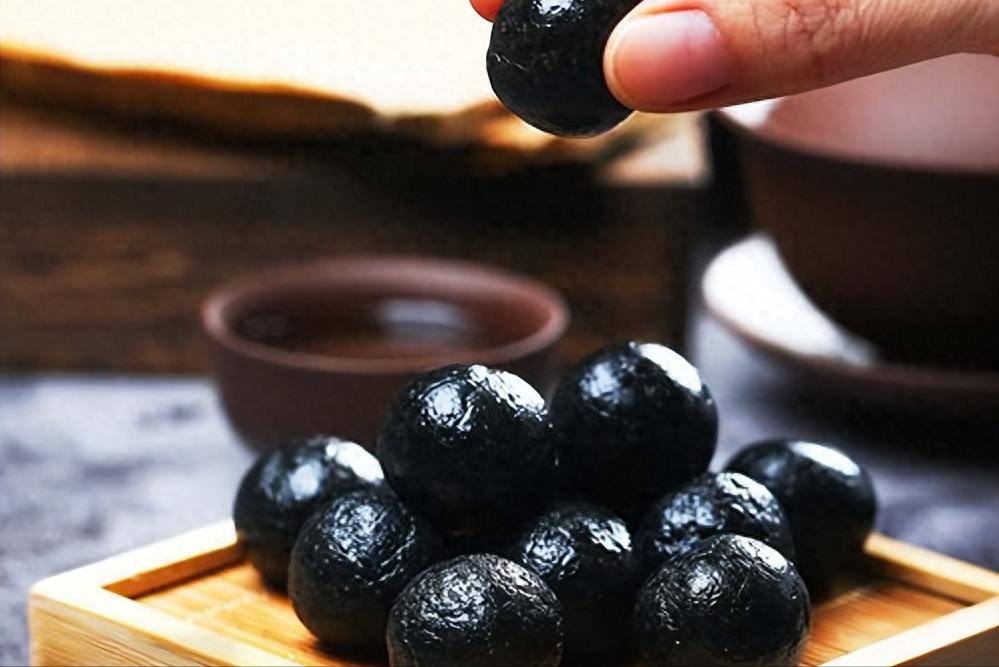
Gui Shao Di Huang Wan: Nourishing Both Liver and Kidneys, Replenishing Yin-Blood While Clearing Deficiency Heat
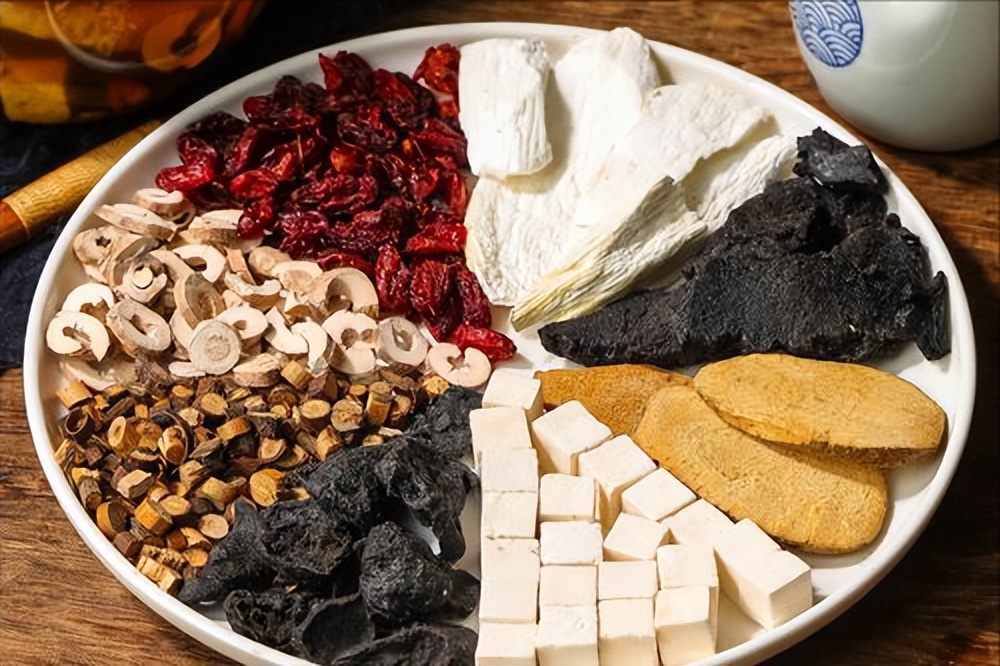
Gui Shao Di Huang Wan can be considered an "enhanced version" of Liu Wei Di Huang Wan. Based on the six ingredients of Liu Wei Di Huang Wan (Rehmannia glutinosa, Cornus officinalis, Dioscorea opposita, Alisma plantago-aquatica, Paeonia suffruticosa, and Poria cocos), it adds two important blood-nourishing and liver-soothing herbs: Angelica sinensis and Paeonia lactiflora.
Core Functions:
Nourishes liver-kidney yin essence: The foundational trio - Rehmannia glutinosa, Cornus officinalis, and Dioscorea opposita - works to replenish kidney essence as the fundamental "root".
Nourishing Liver Blood: This is the key function of Angelica sinensis (Danggui) and white peony root (Baishao). Traditional Chinese Medicine states that "the liver stores blood" and "the kidneys store essence," with essence and blood being mutually transformative. Only when liver blood is sufficient can it nourish tendons, joints, and eyes (orifices); and only when kidney essence is abundant can it nourish bones, marrow, and ears (orifices), while also being crucial for male function (ancestral tendons). Modern lifestyles—excessive screen time, overthinking, and late nights—easily deplete liver blood. Liver blood deficiency often leads to kidney essence deficiency as well, as the two frequently influence each other (liver and kidney share the same origin).
Clearing Deficient Heat: Tree peony bark (Mudanpi) and Alisma (Zexie) naturally clear deficient heat. White peony root also has some liver-calming and yin-astringing (gathering dissipated yin fluids) effects. For vacuity fire (e.g., heat in palms/soles, afternoon tidal fever, unexplained irritability, insomnia) arising from prolonged liver-kidney yin deficiency, Gui Shao Dihuang Wan provides more harmonious regulation.
Simply put: Liuwei Dihuang Wan primarily tonifies kidney yin, whereas Gui Shao Dihuang Wan simultaneously strengthens liver blood nourishment while offering more comprehensive regulation of deficiency heat caused by liver-kidney yin vacuity. For those experiencing lower back/leg weakness, dry eyes, dizziness, heat in palms/soles, restless sleep, or even diminished male function—with pattern identification suggesting liver-kidney yin-blood deficiency with rising vacuity fire—Gui Shao Dihuang Wan is often more precisely indicated.
A real case example:
Mr. Liu, a 38-year-old programmer, had been sitting at his desk for long hours, overusing his eyes, and frequently staying up late. Over the past year, he frequently felt unwell: his waist and knees were weak and sore, his eyes became dry and irritated after prolonged computer use, and he often experienced dizziness. Despite not engaging in much physical labor, he constantly felt exhausted. At night, his hands and feet would feel hot, making it difficult to sleep soundly, and performance in intimacy with his partner had declined. He had previously taken Liuwei Dihuang Wan for some time but saw little improvement—even occasionally feeling overheated. Later, after consulting a TCM practitioner, he was diagnosed with liver blood deficiency due to prolonged fatigue and eye strain, which had also led to kidney yin deficiency—a case of dual deficiency of liver-kidney yin-blood with internal heat. The doctor advised him to discontinue Liuwei Dihuang Wan and switch to Gui Shao Dihuang Wan (alongside lifestyle adjustments). After consistent use, Mr. Liu noticed reduced lower back soreness and dizziness, improved eye dryness, better sleep quality, decreased heat in his extremities, and a general boost in energy.
Important reminder:
Not for everyone: Gui Shao Dihuang Wan is relatively cloying in nature, primarily targeting liver-kidney yin-blood deficiency with internal heat. If you experience cold intolerance, cold hands and feet, or loose stools due to kidney yang deficiency or spleen-stomach cold deficiency, this formula is unsuitable and may worsen discomfort.
Diagnosis is key: "Kidney deficiency" has various subtypes (yin deficiency, yang deficiency, qi deficiency, essence depletion), each with distinct symptoms and treatments. When feeling unwell, the safest approach is to consult a licensed TCM practitioner for an in-person diagnosis to determine the root issue before appropriate medication. Avoid self-diagnosis and random medication.
Lifestyle matters: Regardless of medication, adjusting routines—avoiding late nights, reducing eye strain, exercising moderately, and maintaining relaxed moods—are essential foundations for recovery.
Summary:
Liuwei Dihuang Pills are a classic formula for nourishing kidney yin, but when faced with the complex condition commonly seen in modern people—"deficiency of liver and kidney yin-blood accompanied by deficient heat"—Guishao Dihuang Pills, which incorporate angelica root and white peony root, are more targeted. They excel at replenishing yin-blood, regulating the liver and kidneys, and clearing deficient heat, making them suitable for a broader range of applications. Remember, medication must always be taken under a doctor's guidance.