The most effective way to boost yang is to resolve stasis. Learn how to combine tangerine peel with one additional herb for just a few dollars to clear systemic blockages.
Many people feel they have yang deficiency and cold intolerance, yet see little effect despite consuming numerous warming tonics. Why is this? From a TCM perspective, it's often not about incorrect supplementation, but rather because the body is internally "blocked."
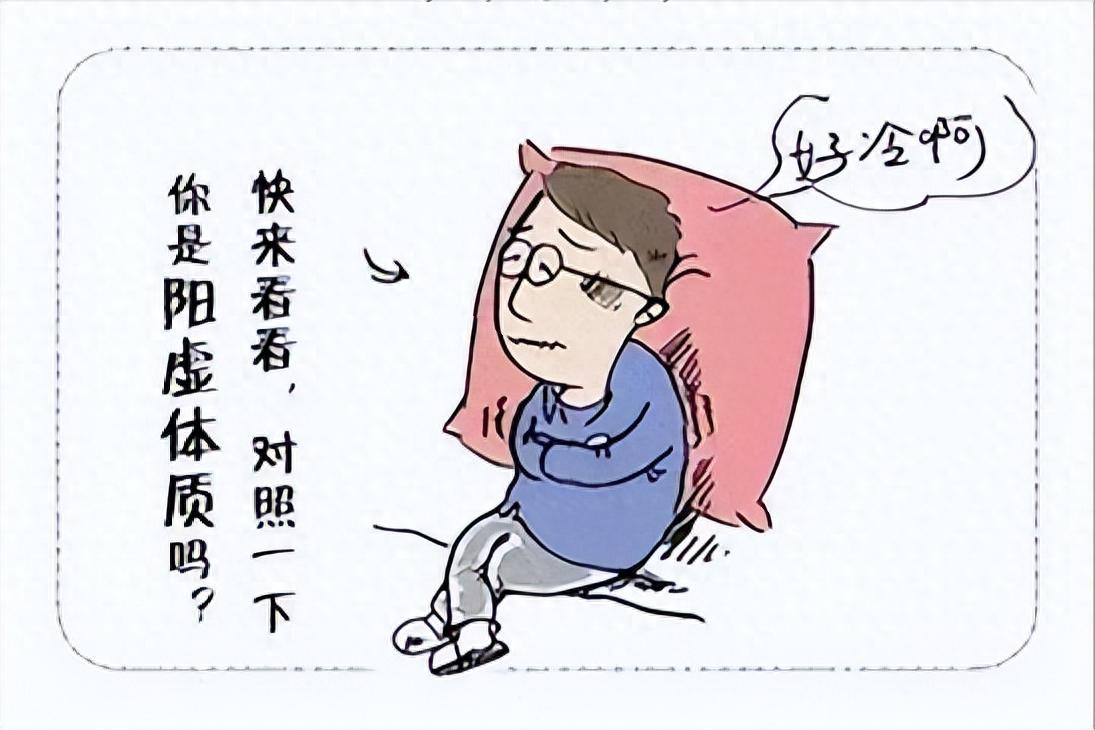
This "blockage" refers to phlegm-dampness and blood stasis. These are like waste products in the body that obstruct the normal circulation of qi and blood. Yang qi requires unobstructed pathways to warm the entire body. If these pathways are blocked by phlegm-dampness and blood stasis, no amount of yang supplementation can reach where it's needed, potentially causing "congestion" that generates stagnant heat. More commonly, chronic phlegm-dampness impedes qi and blood flow to form stasis, which in turn further traps yang qi, creating a vicious cycle where the more you supplement, the more blocked you become.
Therefore, for such cases, unblocking is often more crucial than forceful tonification. First, open up the blocked pathways, and then tonify—or just slightly supplement—so yang energy can function on its own. Here's a simple yet practical combination to share: peach kernel paired with tangerine peel.
Peach kernel: Its primary function is to activate blood circulation and resolve stasis, making it an "expert" in clearing blood stasis in traditional Chinese medicine. It can dissolve sluggish blood stasis in blood vessels and meridians, essentially unclogging blocked pathways first.
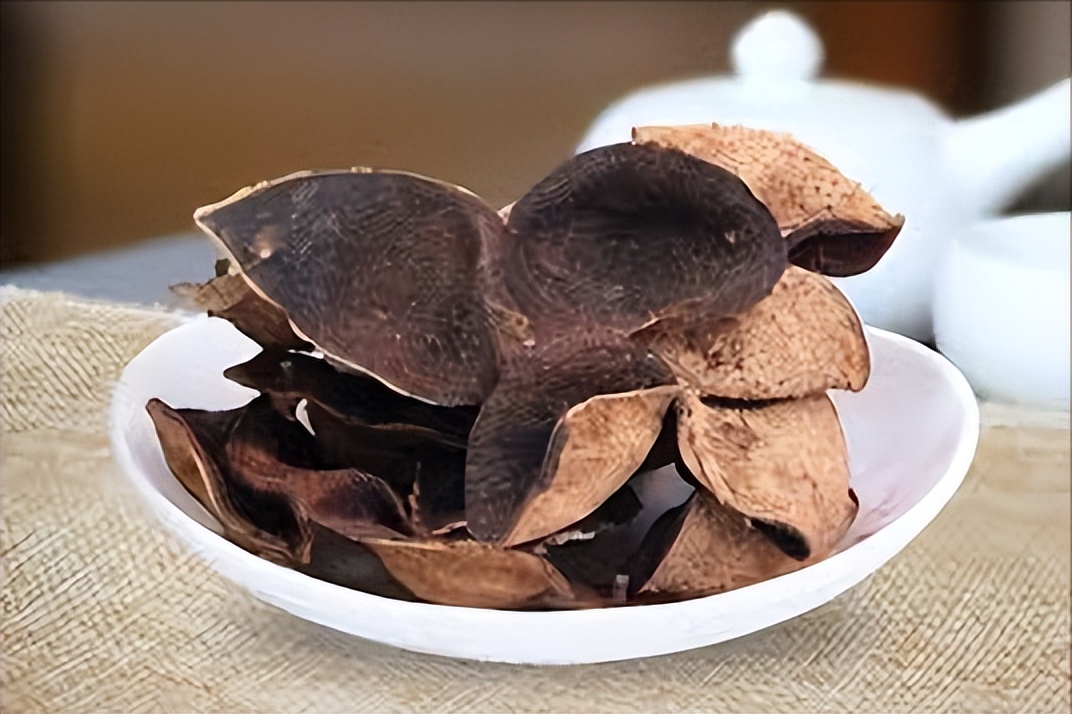
Tangerine Peel: Its main effects are regulating qi to invigorate the spleen and drying dampness to resolve phlegm. It can dissolve excess, sticky phlegm-dampness in the body and promote qi movement through qi regulation - where qi moves, fluids follow, making dampness easier to eliminate. With reduced phlegm-dampness, there's significantly less obstruction to yang qi circulation.
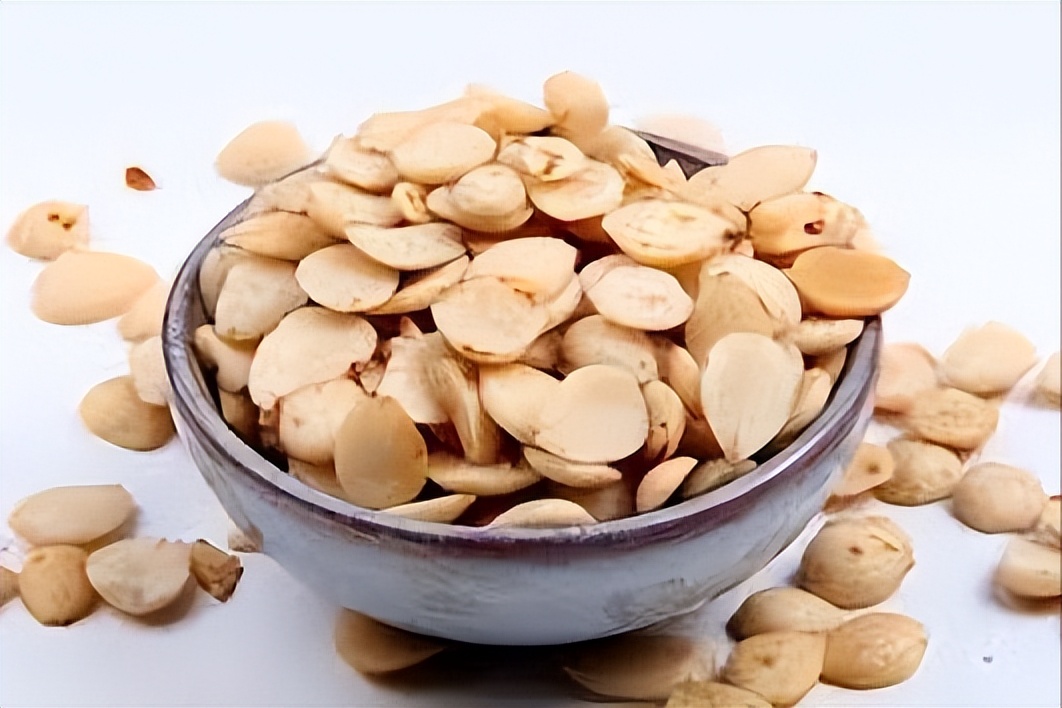
The combination of these two herbs works simultaneously: one primarily targets blood stasis, while the other focuses on phlegm-dampness, clearing the "roadblocks" inside the body. Once the pathways are clear, even if the body’s yang energy is not particularly abundant, it can smoothly reach the limbs and extremities, naturally making a person feel warmer. Many issues caused by phlegm-dampness and blood stasis, such as fixed stabbing pain in the body, cold hands and feet, chest tightness, coughing up white phlegm, and sticky stools that cling to the toilet, can also improve as a result.
Real case:
Master Wang, a 50-year-old taxi driver, suffers from long-term sedentary habits and irregular eating patterns. He's very sensitive to cold—when temperatures drop, his hands and feet turn icy, and his back feels tense. Despite consuming warming foods like lamb and longan, he easily experiences heat symptoms such as toothache or constipation. He also feels physically heavy with stiff joints. During his TCM consultation, the doctor observed a thick white tongue coating and dark, engorged sublingual veins—classic signs of cold-damp retention with blood stasis, where yang qi becomes "trapped." Instead of immediate strong tonification, the doctor prescribed a decoction of peach kernel (taoren) + aged tangerine peel (chenpi) (with a few other herbs) to resolve phlegm-damp and blood stasis. After about two weeks, Master Wang noticed significant relief: his body felt lighter, cold intolerance lessened, and his extremities warmed up. Only then did the doctor cautiously reintroduce mild warming tonics, which proved far more effective without triggering heat symptoms this time.
Important reminder:
Differentiation is key: This method targets constitutions with yang deficiency combined with phlegm-dampness and blood stasis. If you have pure yang deficiency (pale tongue with white coating, aversion to cold) without blockage (no ecchymosis on tongue, non-greasy coating), or if you have a yin-deficient with effulgent fire constitution (red tongue with scant coating, prone to heat symptoms), it is not suitable.
Dosage requires caution: Peach kernel has blood-activating effects and should not be used in excess. Professional guidance is recommended. Contraindicated for pregnant women, those with heavy menstrual bleeding, or individuals with bleeding tendencies.
Consult a professional: This article is for informational purposes only. Individual constitutions are complex, and it is best to consult a TCM practitioner before taking any herbal remedies. Proper syndrome differentiation and formula adjustments should be made based on specific conditions to ensure safety and efficacy.
Clearing bodily stagnation to pave the way for yang qi—this is truly the most effective method for nourishing yang energy.