Fuzi Lizhong Pills Are the True Weapon Against Dampness—This Combination Resolves 90% of Dampness Issues from Head to Toe
When it comes to dispelling dampness, many people first think of red beans and barley, but for some, consuming these can actually make them feel worse. In Traditional Chinese Medicine (TCM), dampness is fundamentally classified as a "yin pathogen," which tends to damage yang energy, particularly affecting the spleen and stomach. If one’s yang energy is insufficient, and the spleen and stomach are weak and cold, dampness becomes even harder to eliminate, accumulating over time.

The core function of Fuzi Lizhong Pills is to "warm the middle burner and dispel cold, strengthen the spleen, and replenish qi." Key ingredients like aconite (Fuzi) and dried ginger are intensely pungent and hot in nature—like igniting a fire within the body—powerfully warming and dispersing cold-dampness in the middle burner. Meanwhile, ginseng, white atractylodes, and licorice work to fortify the spleen and replenish qi, restoring the spleen and stomach’s ability to metabolize and transport dampness. By enhancing the body’s inherent capacity to process dampness at its root, this formulation serves as a foundational remedy for addressing excessive internal cold-dampness.
However, dampness often does not exist alone—it combines with other issues and spreads throughout the body. Therefore, pairing treatments based on accompanying symptoms will yield better results:
1. General spleen deficiency with dampness accumulation: Pair with Shen Ling Bai Zhu San (Ginseng, Poria, and Atractylodes Macrocephala Powder)
If the main symptoms include: swollen tongue with a thick, white, greasy coating, oily face and scalp, persistent body heaviness and fatigue, bloated abdomen, and loose stools, these signs primarily indicate spleen and stomach qi deficiency with impaired transportation and transformation. Using only Fuzi Lizhong Wan (Aconite Center-Regulating Pills) to warm yang may be overly intense. Pairing it with Shen Ling Bai Zhu San, a mild spleen-strengthening and dampness-resolving formula, can both warm yang and fortify the spleen, addressing both the root and the symptoms. This combination suits cases of spleen-stomach deficiency-cold with significant dampness.
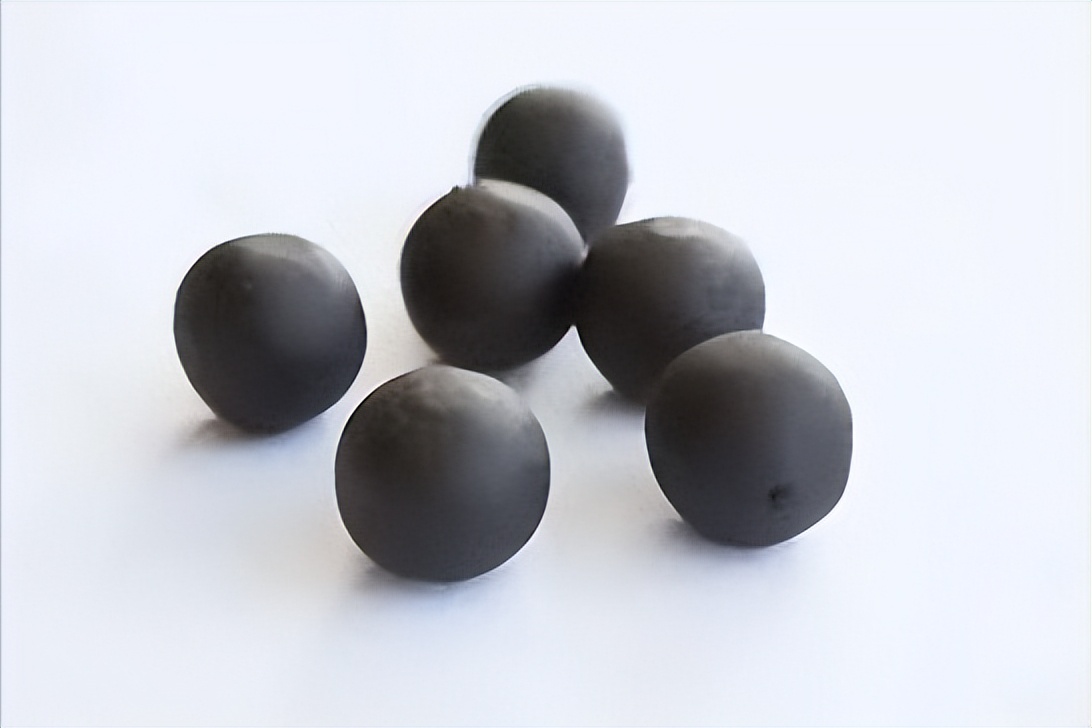
2. Spleen-kidney dual deficiency with cold-damp stagnation: Pair with Gui Fu Di Huang Wan (Cinnamon and Aconite Rehmannia Pills)
If, in addition to the above symptoms, you also experience significant cold intolerance, soreness and coldness in the waist and knees, or diarrhea after consuming even a small amount of cold or raw food, this indicates that the cold-dampness has not only affected the spleen and stomach but has also impaired kidney yang (the kidneys are the foundation of innate vitality, and spleen yang originates from kidney yang). In such cases, it is advisable to take Fuzi Lizhong Wan in the morning to warm and tonify spleen yang, and Guifu Dihuang Wan in the afternoon or evening to warm and tonify kidney yang. By simultaneously nourishing both the spleen and kidneys, you can fundamentally transform and eliminate water-dampness.
Real-life case:
A 45-year-old male patient had long-term loose stools, avoided cold foods, and even had to wear thick socks during summer. He also experienced soreness and coldness in the waist and knees, lethargy, and a pale tongue with a white, slippery coating. Western medical examinations revealed no specific abnormalities, but traditional Chinese medicine diagnosed him with spleen-kidney yang deficiency and excessive internal cold-dampness. The doctor advised him to take Fuzi Lizhong Wan in the morning and Guifu Dihuang Wan in the evening. After one month of use, he reported gradual improvement in stool formation, significant reduction in cold intolerance and cold limbs, increased overall lightness in his body, and improvement in energy levels.
3. Cold-dampness disturbing the heart and insufficient qi-blood: Combine with Guipi Wan
If, along with heavy dampness, you also experience a sallow or pale complexion, poor sleep, excessive dreaming, or frequent palpitations, this indicates that cold-dampness has stagnated the spleen, leading to insufficient production of qi and blood, which fails to nourish the heart. In such cases, the method of "Fuzi Lizhong Wan in the morning and Guipi Wan in the evening" can be adopted. During the day, warming yang and resolving dampness addresses the root cause, while at night, nourishing blood and calming the mind treats the symptoms, thus regulating both the heart and spleen.
4. Chronic dampness transforming into phlegm, phlegm-dampness intertwined: Combine with Erchen Wan
If dampness lingers in the body for too long, it becomes sticky and condenses into "phlegm." Symptoms include: persistent phlegm in the throat that cannot be fully coughed up or expelled, an especially heavy bodily sensation, thick and greasy tongue coating, and obvious tooth marks on the edges of the tongue. At this stage, simply addressing dampness alone yields slow results—resolving phlegm is necessary. Pairing with Erchen Wan (containing Pinellia ternata, aged tangerine peel, Poria cocos, etc.), the foundational formula for phlegm resolution, can warm and transform cold phlegm, clearing these more stubborn pathological accumulations.

Important Reminder:
The formulas and medications mentioned in this article are primarily suitable for those with spleen-stomach deficiency-cold or yang-deficiency with excess dampness constitution (typical symptoms: aversion to cold, cold and painful abdomen, preference for warm drinks, loose stools, pale tongue with white greasy coating). If you have a damp-heat constitution (yellow greasy tongue coating, dry mouth with bitter taste, aversion to heat), they are entirely unsuitable and may even "add fuel to the fire."
Fuzi Lizhong Pills have warm and drying properties and should not be taken in excess for extended periods. Discontinue use once symptoms improve.
Before taking any medication, be sure to consult a professional TCM practitioner for syndrome differentiation and analysis. Choose the appropriate combination and dosage based on your specific condition, and avoid self-prescribing.