Excessive sweating is actually due to weakness in these two areas—replenishing the deficiency will help.
Many people struggle with excessive sweating, especially noticeable sweat on the head. From the perspective of Traditional Chinese Medicine, this often isn’t just about "heat" but rather a signal of internal "deficiency" in the body, with the most common types being yang deficiency and yin deficiency.
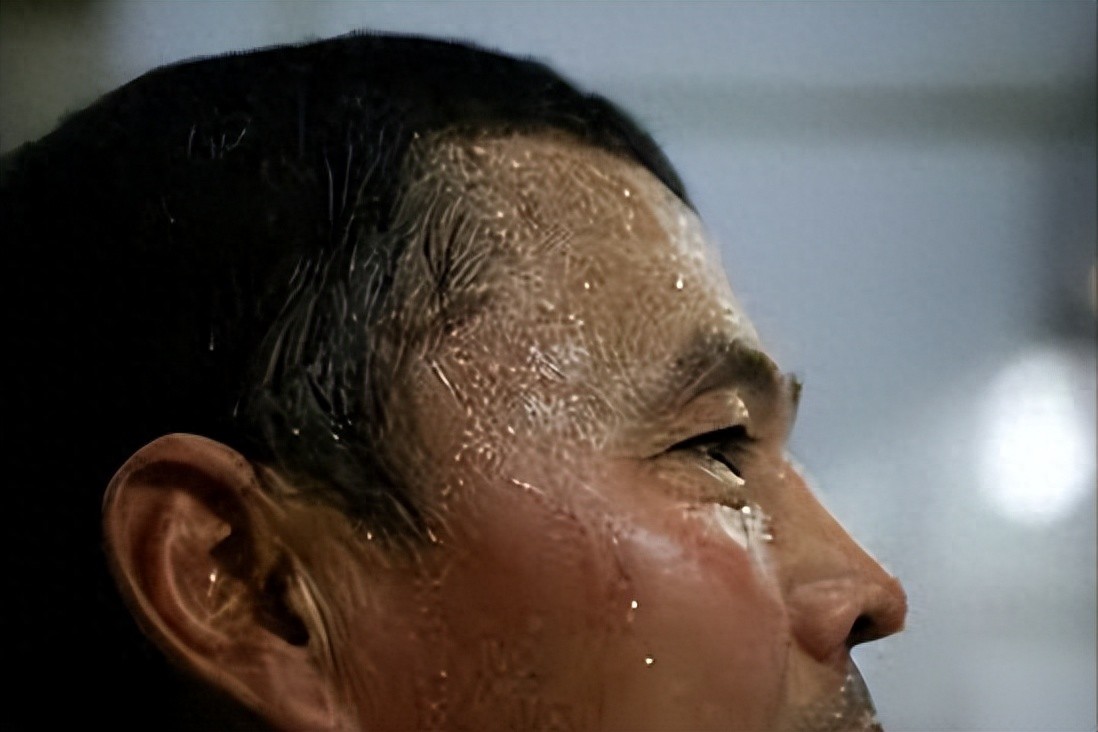
1. Sweating due to Yang Deficiency: Unable to retain bodily fluids
Traditional Chinese medicine believes that yang qi acts like a protective "defensive qi" in the human body, controlling the opening and closing of pores and retaining body fluids to prevent excessive loss. The head is the convergence point of all yang qi (the gathering of yang). If a person's yang qi is deficient, this "defensive qi" becomes unstable, especially in the head, leading to frequent sweating, and the skin often feels cool after sweating.
For such individuals, besides excessive head sweating, they often also experience:
Heightened sensitivity to cold, finding it hard to tolerate even slight breezes.
Proneness to fatigue and low energy.
Frequent weakness and soreness in the waist or knees
Difficulty keeping hands and feet warm
The key to conditioning lies in "warming yang and strengthening the exterior"—boosting the body's yang energy and reinforcing defensive qi to stabilize sweat secretion.
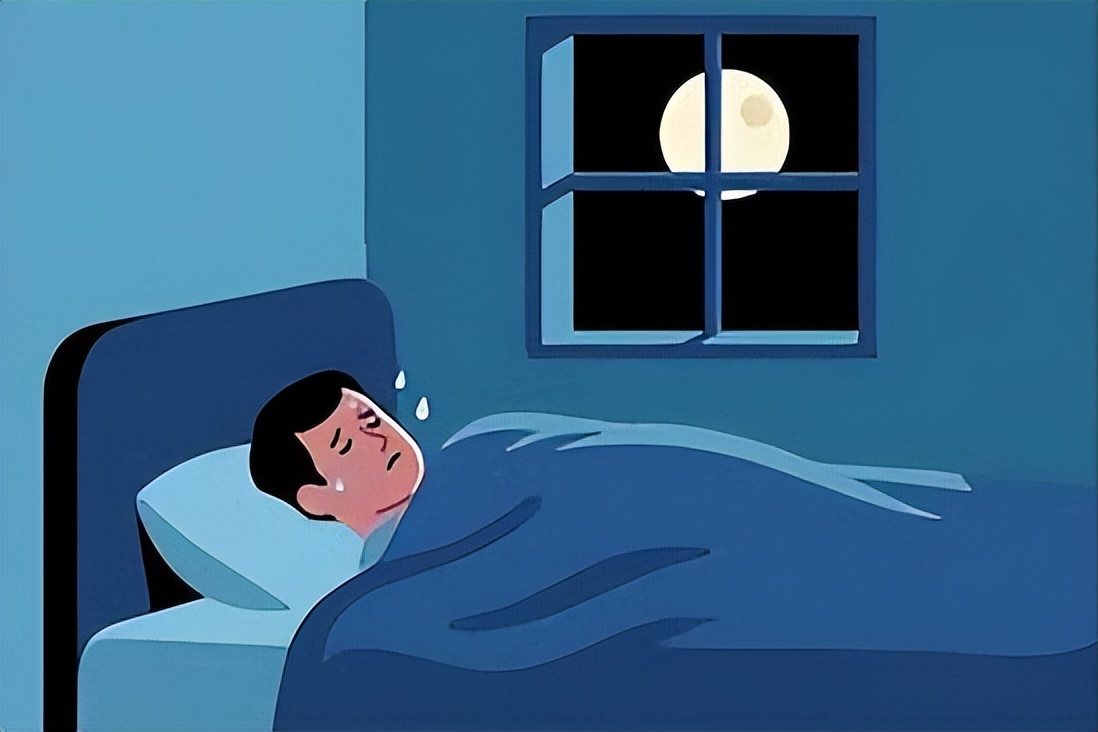
II. Sweating due to yin deficiency: When yin fails to restrain yang, deficient heat forces sweat out.
Another common condition is yin deficiency. Yin fluids generally refer to the nourishing and calming liquid substances in the body. If yin fluids are insufficient, it's like having too little water in a pot—even a small fire will cause excessive steaming. At night when sleeping, yang energy should naturally turn inward to rest, but with yin deficiency, it fails to restrain yang energy, leading to "deficiency fire." This deficiency fire forces body fluids outward, resulting in night sweats (sweating during sleep that stops upon waking).
For such individuals, sweating differs from yang deficiency symptoms and typically:
Occurs mostly at night or during sleep.
Often accompanied by hot palms and soles (five-center heat).
Often feeling dry mouth and throat, craving cold water
Prone to insomnia and irritability
The key to regulation lies in "nourishing yin and clearing heat," replenishing the deficient yin fluids in the body so that deficient fire can be cleared and reduced; then sweat will no longer be easily forced out.

Real-life case:
Ms. Wang, 48 years old, has experienced excessive sweating on her head and back every time she falls asleep over the past six months, even soaking the pillowcase. However, the sweating stops shortly after waking up. She also constantly feels a dry mouth, sometimes experiences heat in her palms in the afternoon, and has poor sleep. Traditional Chinese medicine diagnosis identified this as night sweats caused by yin deficiency and internal heat. The doctor advised her to focus on nourishing yin and adjust her diet by avoiding spicy foods. After a period of regulation, her nighttime sweating significantly decreased, and both her sleep quality and dry mouth sensation improved.
Summary and Reminder:
Excessive sweating, especially heavy sweating on the head, shouldn't just be addressed by stopping the sweating. Pay more attention to internal body balance. Though both "yang deficiency" and "yin deficiency" are types of deficiency, their regulation approaches differ:
Yang deficiency is "lack of inner fire," requiring warm tonification;
Yin deficiency is "depletion of body fluids" and requires nourishing and moisturizing.
If you are unsure about your condition, or if excessive sweating is significantly affecting your life, it is advisable to consult a professional TCM practitioner for accurate diagnosis and targeted treatment, which will yield better results with less effort.