Lotus Seed Works Wonders! Doctor's Advice: Lotus Seed Can Improve These 4 Chronic Diseases, Possibly to Be Eaten Regularly

This article is 1,911 words and takes about 4 minutes to read.
Declaration: The content of this article is original, written based on authoritative medical information combined with my personal views, and the sources of the literature are marked at the end. For the convenience of reading and understanding, some story plots have fictional elements, aiming to popularize health knowledge. If you have any physical discomfort, please seek medical treatment in person.
Ms. Chen, 53, has been experiencing increasingly poor sleep recently. She tosses and turns all night, and is still awake looking at the ceiling at 3 a.m. She feels exhausted during the day, as if her whole body has been emptied.
A neighbor said, "Try drinking lotus seed in water; my mom used to take it for insomnia and it worked pretty well." Aunt Chen didn't believe at first, but she tried it. To her surprise, after a week, she was able to sleep through the night. Not only did her sleep improve, but her old stomach problem also became less frequent. When she went back to the hospital for a check-up, the doctor was stunned looking at her lipid report: "Have you changed your lifestyle recently?"
She then realized that lotus seeds not only nourish the heart and calm the mind, but may also help improve various chronic diseases. However, a question arose: Is lotus seed really that miraculous? Can everyone eat it? Are there any side effects from eating too much? Today, we will thoroughly explain all of this.

What Exactly Is Lotus Seed?
Lotus seed is the seed of the lotus flower, used both as food and medicine. It has been recorded in the "Shennong Ben Cao Jing" as having the effects of "strengthening the middle energizer, nourishing the spirit, enhancing vital energy, and eliminating all kinds of diseases." Modern medicine has also found that lotus seeds are rich in protein, potassium, iron, flavonoids, B vitamins, and dietary fiber, making them a low-fat, low-sugar, and highly nutritious food.
In particular, the bitter core of the lotus seed, known as the "lotus heart," is believed to have cooling and calming effects. However, don't rush to eat it. Although lotus seeds are beneficial, they are not a cure-all. Let's first look at which four chronic diseases they may help with.

Firstly: Hyperlipidemia
High cholesterol is a problem that many people can't avoid nowadays. With good eating habits and little exercise, fatty liver and arteriosclerosis tend to follow. Lotus seeds are rich in dietary fiber and natural flavonoids. These two components can help lower cholesterol and clear vascular waste in the body.
A study found that after consuming lotus seed powder continuously for four weeks, LDL cholesterol (bad cholesterol) levels decreased by about 10% in some individuals. Additionally, blood viscosity also improved.
However, it's important to note that the effects are based on long-term and regular consumption. It doesn't mean that eating a few grains today and tomorrow will lower your cholesterol levels.
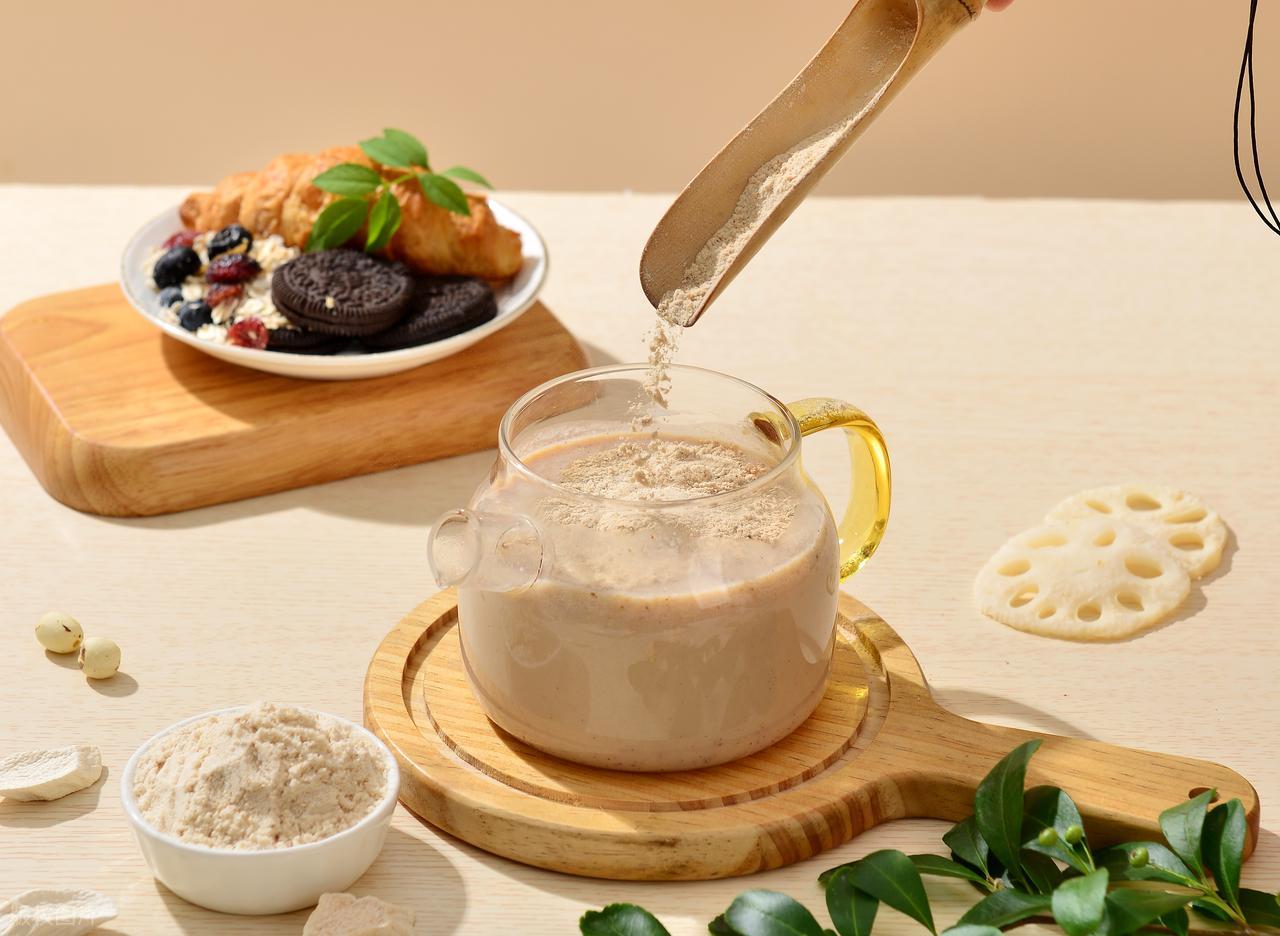
Second type: Type 2 Diabetes
Lotus seeds have low sugar content and a moderate glycemic index (GI value). The complex carbohydrates and polyphenols in them can slow down sugar absorption, helping with blood sugar control.
More importantly, some components in lotus seeds, such as quercetin and isorhamnetin, have been proven in animal experiments to improve insulin resistance and regulate blood sugar metabolism.
Of course, this doesn't mean that people with diabetes can eat lotus seed soup freely. Diabetic patients are better suited to eat dry-fried lotus seeds, lotus seed powder porridge, or sugar-free lotus seed stew. Controlling total sugar intake remains the key.

Third: Chronic Gastritis
Many people think that if the stomach is not good, they should eat soft foods and drink thin liquids. In fact, it's more important to protect the stomach lining and reduce inflammation. Lotus seeds contain a rich amount of tannins and alkaloids, which can help repair the stomach lining and inhibit excessive gastric acid secretion to some extent.
Especially when lotus seeds are cooked into porridge or paired with yam and lily, it's a relatively mild and easily absorbed option for patients with chronic gastritis. However, it's not suitable for everyone. Those with severe constipation or particularly weak digestion should be cautious not to consume too much fire-clearing lotus seed heart, as it may worsen discomfort.
Fourth: Neurotic weakness, sleep disorders
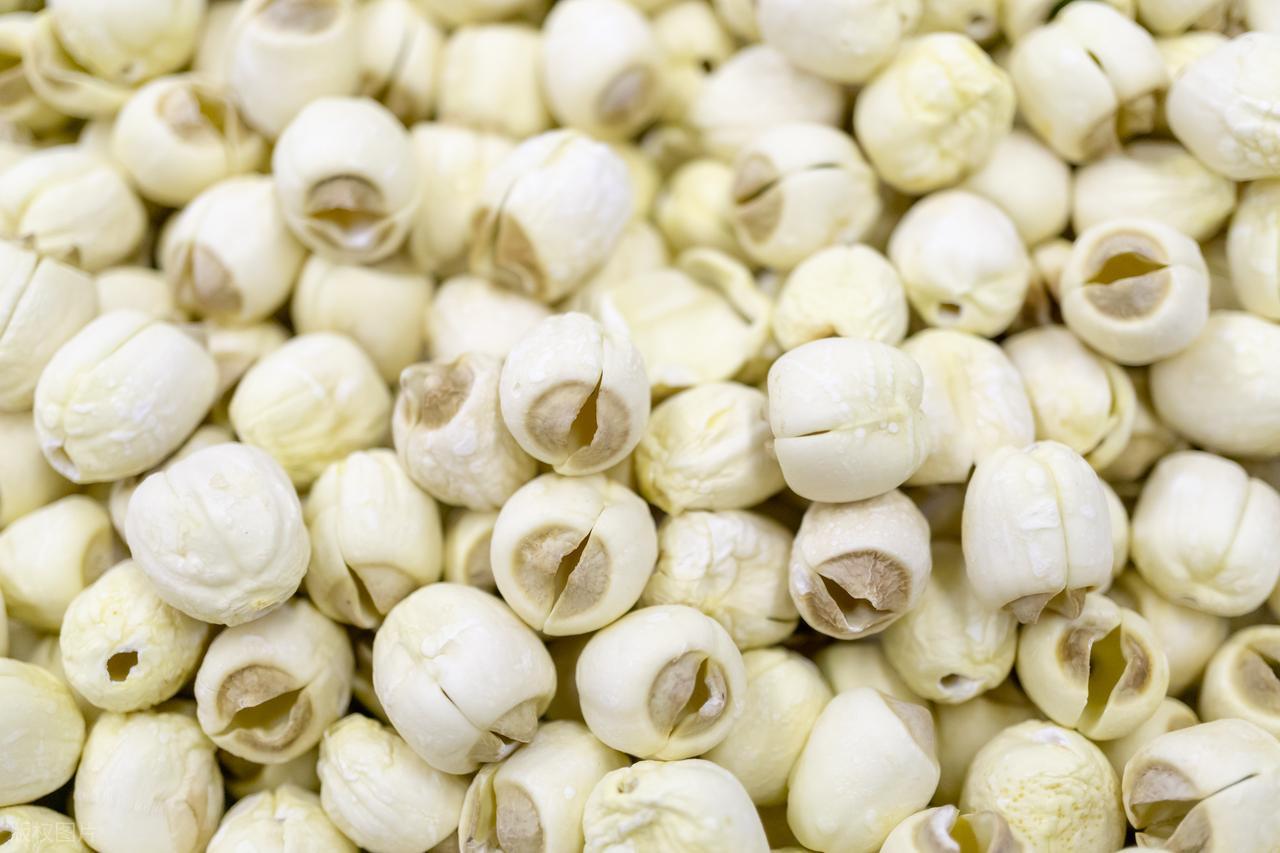
This is the "signature function" of lotus seeds. They contain various trace elements that have calming and soothing effects on the mind, such as potassium, magnesium, and vitamin B1, and can also promote the synthesis of GABA and melatonin in the body.
Many experiments have shown that lotus seed extract can improve the balance of neurotransmitters, help with sleep, and extend deep sleep time. Aunt Chen's situation of "waking up and being unable to fall asleep again" falls under the category of sleep maintenance difficulty insomnia in medical terms. For such individuals, consuming lotus seeds or lotus seed hearts as tea in moderation can indeed provide some auxiliary benefits.
However, it should be emphasized that this assistance is mild and supplementary. If the problem has already significantly affected daily life, one should still go to the hospital for evaluation and cannot rely solely on dietary therapy.
Lotus seeds are beneficial, but their consumption requires some consideration.
First, don't eat too much at once. Lotus seeds are slightly warming in nature, and overconsumption may lead to internal heat and constipation. Adults should limit their intake to about 30 grams per day.

Second, you should eat lotus seeds according to your constitution. If you have a constitution of spleen and stomach deficiency with coldness, it's recommended to remove the lotus heart. If you tend to be irritable or prone to heatiness, you can keep the lotus heart and brew it into water to drink.
In addition, people with diabetes are not recommended to eat sweet lotus seed soup. Even if it's labeled as "sugar-free," it's important to check the ingredient list. Some so-called "sugar-free" products may simply replace sugar with fructose or sugar alcohols, which can still affect blood sugar levels.
Finally, lotus seeds are not medicine and cannot replace treatment. They are suitable for supplementing daily diet, but should not substitute lipid-lowering drugs, blood pressure medications, or blood sugar control drugs.