A simple home remedy: Boil three herbs in water to nourish the liver, kidneys, and spleen, replenishing essence, qi, and blood simultaneously.
In the fast-paced modern life, many people often experience physical fatigue, soreness in the lower back and legs, dizziness, blurred vision, and even a decline in bodily functions. From the holistic perspective of Traditional Chinese Medicine (TCM), these seemingly unrelated symptoms are often interconnected, rooted in the dysfunction of the liver, spleen, and kidneys, leading to deficiencies or poor circulation of essence, qi, and blood in the body. Today, I’d like to share a simple yet effective herbal formula composed of Cuscuta seeds (Tusizi), Salvia miltiorrhiza (Danshen), and Atractylodes macrocephala (Baizhu). This remedy is easy to prepare and suitable for daily wellness support, helping to restore vitality from the root.

The relationship between the liver, spleen, kidneys, and essence, qi, and blood.
In traditional Chinese medicine theory, the liver, spleen, and kidneys play a central role in maintaining human life activities and are closely related to the production, circulation, and storage of essence, qi, and blood.
The liver governs dispersion and stores blood. With sufficient liver blood, the eyes can see clearly, tendons remain flexible, and emotions stay balanced. A deficiency of liver blood can lead to dizziness, blurred vision, and numbness in limbs, while liver qi stagnation may cause depression, chest tightness, and further disrupt the flow of qi and blood throughout the body.
The spleen serves as the foundation of postnatal life and the source of qi and blood production. It governs transformation and transportation, converting food into qi and blood to nourish the entire body. Weak spleen qi results in insufficient qi and blood production, leading to fatigue, poor appetite, and a sallow complexion, eventually causing malnutrition of the body's organs over time.
The kidneys are the foundation of congenital constitution, storing essence and housing primal yin and yang. A deficiency of kidney essence can directly cause weakness in the lower back and knees, memory decline, tinnitus, hair loss, and declining reproductive function. Kidney essence also relies on nourishment from liver blood and supply from spleen earth. These three organs mutually support one another—when one is damaged, the others suffer as well.
A clever combination of three herbs working in harmony to achieve balance.
This formula uses only three medicinal ingredients - Cuscuta chinensis, Salvia miltiorrhiza, and Atractylodes macrocephala - but their precise combination provides comprehensive regulation and nourishment:
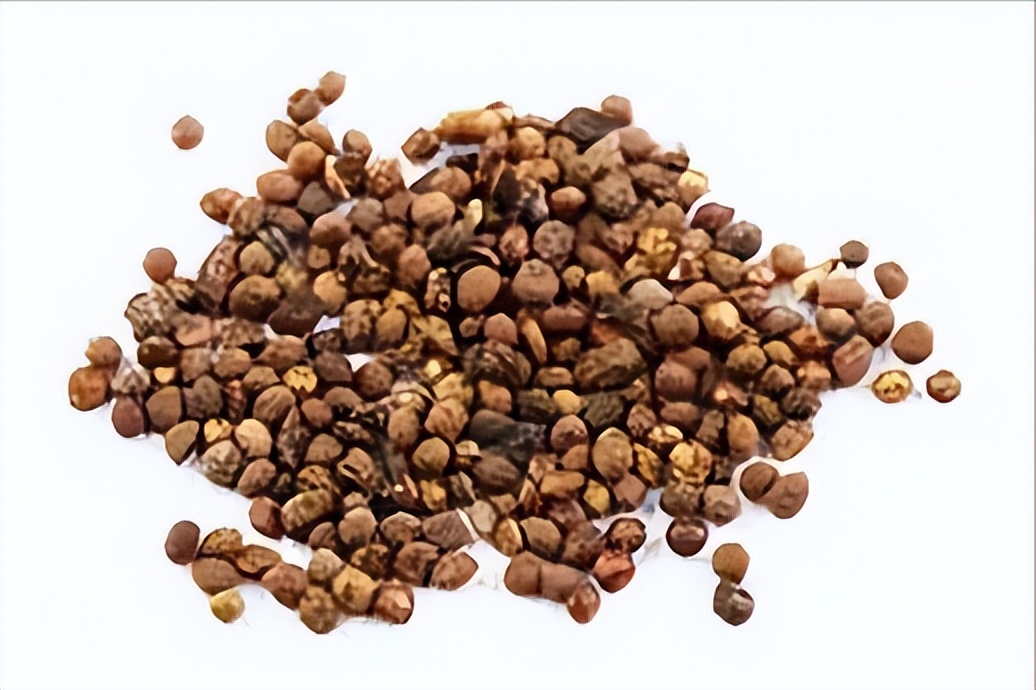
Cuscuta chinensis (10-15g)
Neutral in nature, pungent and sweet in taste, it enters the liver and kidney meridians. Its functions include tonifying liver and kidney, securing essence and reducing urine, improving vision, and stopping diarrhea. With mild properties that are neither drying nor greasy, it can simultaneously tonify kidney yang, nourish kidney yin, and supplement liver blood. This makes it an excellent herb for gently nourishing both liver and kidney, particularly effective for sore and weak lower back/knees, tinnitus, and dizziness caused by liver-kidney deficiency.
Salvia miltiorrhiza (6-9g)
Bitter in taste and slightly cold in nature, it acts on the Heart and Liver meridians. Known as "a decoction of Salvia alone equals the effects of Siwu Tang," highlighting its remarkable ability to nourish blood and promote blood circulation. It unblocks blood vessels, disperses blood stasis, clears heart fire to relieve irritability, improves local blood circulation, and alleviates various symptoms caused by blood deficiency or blood stasis. Its slightly cold nature also prevents excessive warming effects from Cuscuta seeds and Atractylodes macrocephala.
Atractylodes macrocephala (9-12g)
Sweet and bitter in taste, warm in nature, it acts on the Spleen and Stomach meridians. Considered the foremost herb for fortifying the spleen and replenishing qi, it enhances the spleen and stomach's functions of transportation and transformation, facilitating the absorption and conversion of nutrients from food and water. This process is key to replenishing qi and blood at their source. A robust spleen ensures abundant qi and blood, supporting postnatal nourishment of innate vitality while indirectly benefiting kidney essence replenishment.

The combination of these three herbs works as follows: Atractylodes macrocephala addresses "qi," fortifying the spleen and boosting energy; Salvia miltiorrhiza regulates the "blood" aspect, promoting blood circulation and nourishing the blood; and Cuscuta chinensis tonifies the "essence," benefiting both the liver and kidneys. Together, the formula achieves the effect of simultaneously replenishing essence, qi, and blood, while harmonizing the liver, spleen, and kidneys. Its gentle nature makes it suitable for long-term, gradual conditioning.
Applicable Groups and Typical Symptoms
If you frequently experience multiple of the following symptoms, this prescription may be suitable for auxiliary regulation:
Often feeling fatigued and weak, experiencing shortness of breath when speaking, and getting drowsy after meals
Sore and weak waist and knees, weak limbs, possibly accompanied by tinnitus
Dizziness, blurred vision, dull complexion
Loss of appetite, indigestion, loose stools
Low mood, accompanied by faint discomfort in the chest and flanks
Decline in function, lack of energy
Reference to a real-life case
I once treated a 42-year-old male patient who, due to long-term busy work and frequent social engagements, had been in a state of suboptimal health for nearly a year: persistent fatigue, noticeable lower back soreness, dizziness, tinnitus, and a significant decline in marital life quality. Upon examination, his tongue appeared pale with tooth marks on the edges, a thin white coating, and a deep, thin pulse. The diagnosis indicated spleen deficiency with insufficient qi and blood, as well as liver and kidney deficiency of essence and blood. In addition to prescribing a compound herbal formula for regulation, I recommended he regularly drink a simple herbal tea made by boiling dodder seeds (Cuscuta chinensis), salvia root (Salvia miltiorrhiza), and white atractylodes rhizome (Atractylodes macrocephala).
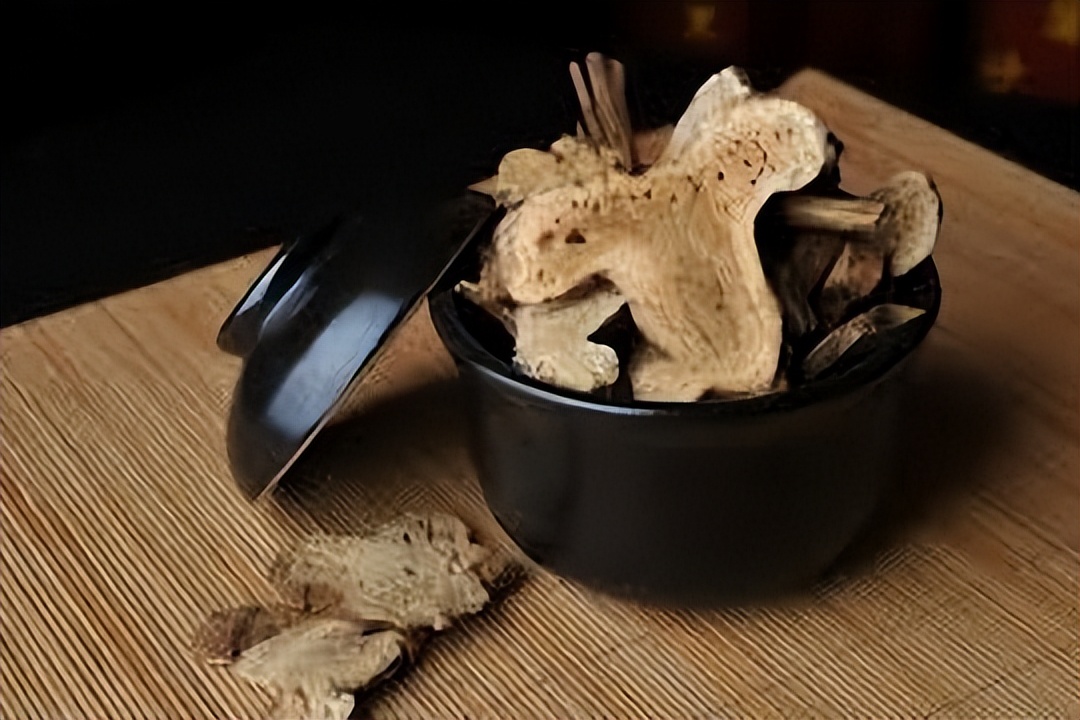
The patient returned for a follow-up after one month of consistent use, reporting reduced body heaviness and fatigue, improved appetite, and relief from lower back soreness and tinnitus. After three months, the feedback indicated overall stable condition and significantly increased energy levels. It should be noted that this type of medicinal tea formula has a mild nature and slow efficacy, making it suitable for daily conditioning but not a substitute for formal medical treatment.
Conclusion
Dodder seeds, Salvia miltiorrhiza, and White Atractylodes Rhizome - this simple three-herb formula, though composed concisely, embodies the holistic wisdom of traditional Chinese medicine in "simultaneously regulating the liver, spleen, and kidneys while replenishing qi, blood, and essence." It is particularly suitable for those who are chronically overworked and gradually experiencing deficiency as part of their daily healthcare routine. However, it's crucial to remember that individual constitutions vary. If physical discomfort persists or gradually worsens, prompt medical attention should be sought. Only through syndrome differentiation and treatment under the guidance of a professional physician can optimal healthcare results be achieved.