Six amazing uses for the wonderful Chinese patent medicine Jin Gui Shen Wan: Learn these and make fewer trips to the hospital
When many people hear "kidney deficiency," they think of Liuwei Dihuang Wan, but in Traditional Chinese Medicine, kidney deficiency is also divided into yin and yang. Although kidney yang deficiency and kidney yin deficiency are both types of deficiency syndromes, their manifestations and treatment methods are quite different. If you often feel cold, have cold hands and feet, frequent nighttime urination, soreness in your waist and legs, and lack of energy, you're likely suffering from "kidney yang deficiency." Today, I want to talk about Jingui Shenqi Wan, a classic formula for warming and tonifying kidney yang, originating from Zhang Zhongjing's "Jin Gui Yao Lue." When used correctly, it can help alleviate many discomforts caused by insufficient kidney yang.
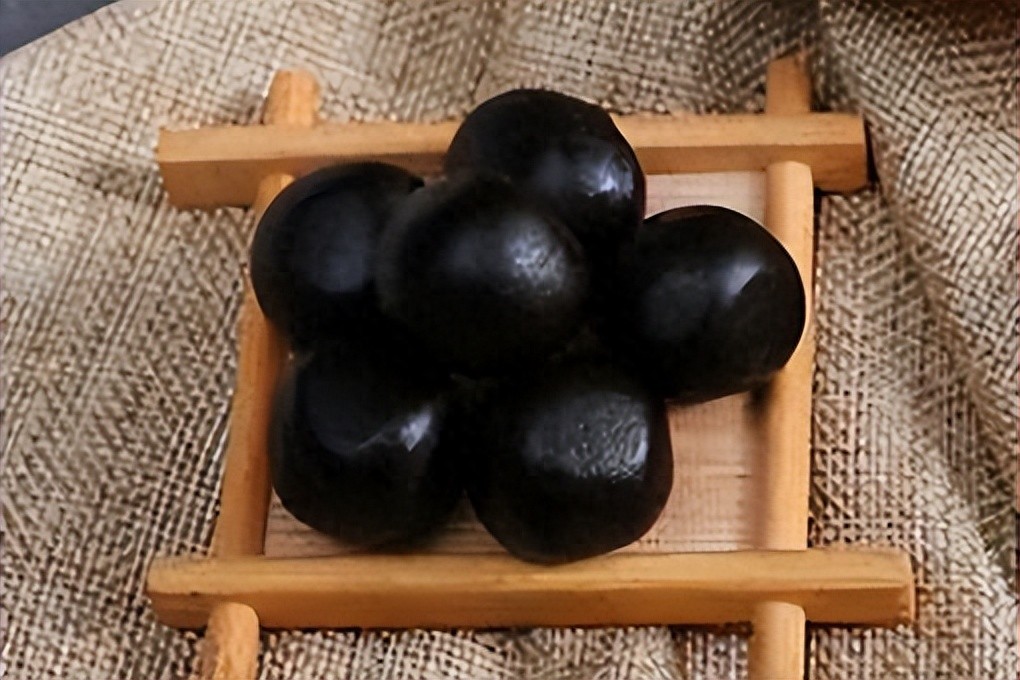
Why does kidney yang deficiency affect the entire body?
In Traditional Chinese Medicine theory, the kidneys are known as the "foundation of innate constitution," and kidney yang is the original driving force of human life activities, like a small sun within the body that warms and promotes the functional operation of various organs. When kidney yang is insufficient, the warming function diminishes, leading to aversion to cold, fear of cold, and cold extremities. When the qi transformation is weak, fluid metabolism becomes abnormal, resulting in problems such as frequent urination, nocturia, and edema. Additionally, the kidneys govern bones and produce marrow, and the waist is the house of the kidneys. Kidney yang deficiency can also lead to soreness and weakness in the lower back and knees, as well as decreased energy.
What situations is Jin Gui Shen Qi Wan suitable for?
Urinary abnormalities: frequent urination during the day, frequent nighttime urination, incomplete urination, weak urine flow
Many people who haven't drunk much water still frequently feel the need to urinate, especially having to get up several times at night. This is usually caused by insufficient kidney yang and weak bladder qi transformation. Jin Gui Shen Qi Wan warms and tonifies kidney yang through its ingredients of Aconite and Cinnamon Twig, enhancing the qi transformation function. Combined with Alisma and Poria to promote urination and drain dampness, it helps regulate the opening and closing of the bladder, thereby improving abnormal urination.
Dry mouth without desire to drink, and water doesn't quench thirst
There is a type of dry mouth that is not actually due to dehydration, but rather insufficient kidney yang, which prevents fluids from rising to the mouth. Although patients feel dry mouth, they don't feel like drinking water, or drinking doesn't quench their thirst, and they may even feel that the water "stays" in their stomach. In this case, simply replenishing fluids is not effective; one needs to warm the yang and transform qi. The warming effects of cinnamon and aconite in Jin Gui Shen Qi Wan help distribute fluids, thereby relieving dry mouth.
Lower limb swelling, worsening in the afternoon
When kidney yang deficiency fails to transform qi and move water, dampness flows downward, leading to lower limb edema that is pitting and worsens in the afternoon or after prolonged standing. In this formula, Poria and Alisma rhizoma strengthen the spleen to promote urination, while Achyranthes root guides the herbs downward to specifically treat dampness in the lower jiao. At the same time, Aconite and Cinnamon twig warm yang to assist qi transformation, fundamentally improving the edema.
Aversion to cold with cold limbs, soreness and weakness of the lower back and knees
When kidney yang deficiency fails to warm the limbs, symptoms of aversion to cold and cold hands and feet appear. The waist is the house of the kidneys, and the knees are governed by the kidneys. Kidney deficiency leads to the waist and knees lacking proper nourishment, resulting in soreness, weakness, or cold pain. In this formula, Aconite and Cinnamon twig warm yang and dispel cold, Rehmannia and Chinese yam nourish yin and assist yang, and Cornus officinalis supplements the liver and kidneys, working together to strengthen the waist and knees and warm the limbs.
Shallow breathing and shortness of breath with exertion
According to Traditional Chinese Medicine, "the kidneys govern the reception of qi." When kidney deficiency occurs, qi fails to return to its origin, resulting in shallow breathing and panting with minimal activity. Jin Gui Shen Qi Wan helps replenish the kidneys to restore qi to its origin, thereby improving symptoms of deficient panting and shortness of breath.
Nighttime with excessive dreaming, especially frightening dreams
"The kidney governs fear." People with insufficient kidney qi often become easily frightened, have restless sleep, and experience frequent nightmares. By warming and tonifying kidney yang and calming the spirit, sleep quality can be improved.
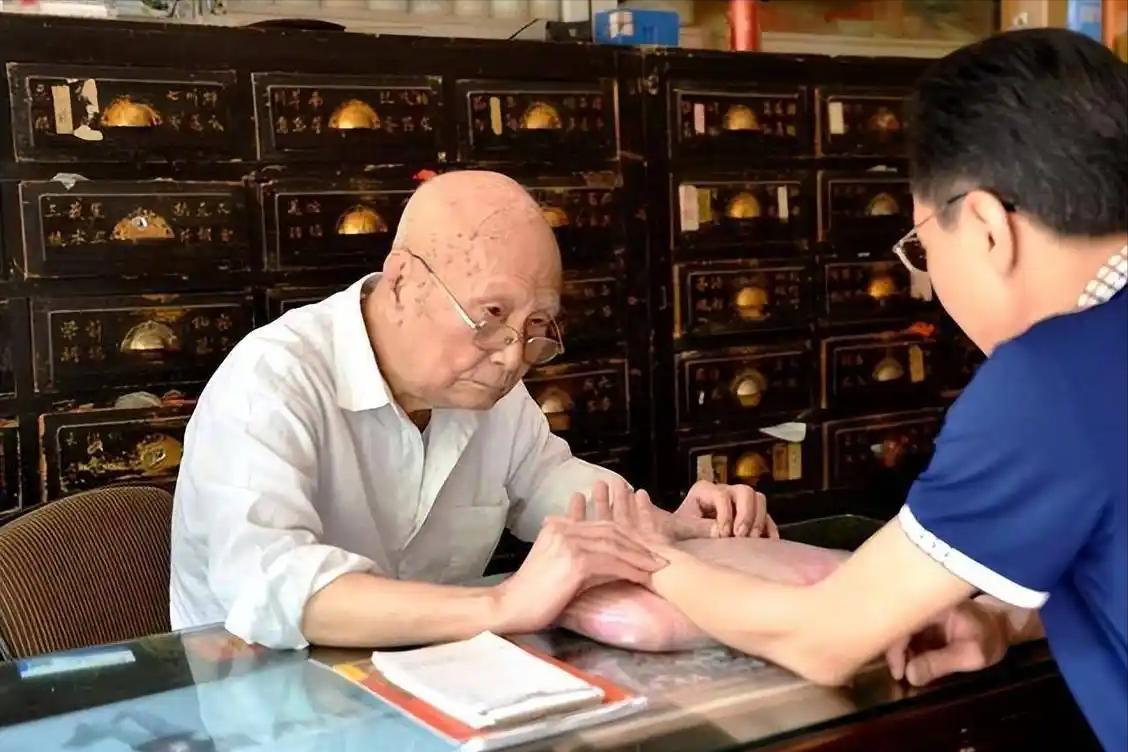
Real case sharing
Previously, there was a 52-year-old patient, Mr. Wang, who was a middle school teacher. His main problem was frequent urination at night, having to get up three to four times each night, which resulted in extremely poor sleep quality. During the day, he lacked energy and often experienced lower back soreness and fatigue, especially feeling colder in winter and always wearing more clothes than others. He had previously taken Liuwei Dihuang Pills on his own, but his symptoms worsened, and his stools became loose. At the consultation, he presented with a pale complexion, pale and swollen tongue with tooth marks on the edges, a white and slippery coating, and a deep, thin, and weak pulse, which are typical signs of kidney yang deficiency. Therefore, I advised him to stop taking the Dihuang Pills and switch to Jin Gui Shen Qi Wan, combined with moxibustion on the Shenshu and Guanyuan acupoints. At the follow-up two weeks later, he reported that nocturia had reduced to one to two times, lower back soreness had significantly improved, and his cold intolerance had also gotten better. After one month of continued follow-up, he stated that his energy had improved and his work efficiency had increased as well.
Summary
Jinkui Shenqi Pill is a classic formula with a precise composition, and its formulation principle of "seeking yang within yin" reflects the wisdom of balancing and regulating in Traditional Chinese Medicine. It is mainly suitable for various symptoms of functional decline caused by kidney yang deficiency, such as aversion to cold, frequent urination, edema, soreness in the lower back, and shortness of breath. It is worth noting that accurate syndrome differentiation is crucial, and it is recommended to use it under the guidance of a professional physician to avoid improper treatment. When kidney yang is sufficient, the body stays warm, fluid metabolism is normal, and energy is abundant, which truly means "saving the trouble of frequent hospital visits."