Xiaoyao Wan can be considered a panacea in traditional Chinese medicine, capable of treating conditions for nine different types of people, effective for both men and women
In daily life, many people always feel discomfort in certain parts of their bodies or sense that something is wrong, but they can't quite pinpoint the specific issue: sometimes headaches, sometimes insomnia, poor appetite, and frequent bloating. After various medical examinations, the results often show "normal," yet they just feel unwell all over, and their mood is often in a low state. From a Traditional Chinese Medicine perspective, this is often caused by "stagnant liver qi and weak spleen blood," which is what we commonly call "liver depression and spleen deficiency." And Xiaoyao Wan is precisely a classic formula for this condition. Unlike Western medicines that only target specific symptoms, it works by harmonizing the liver and spleen, regulating the qi flow, and helping the body restore its own balance.
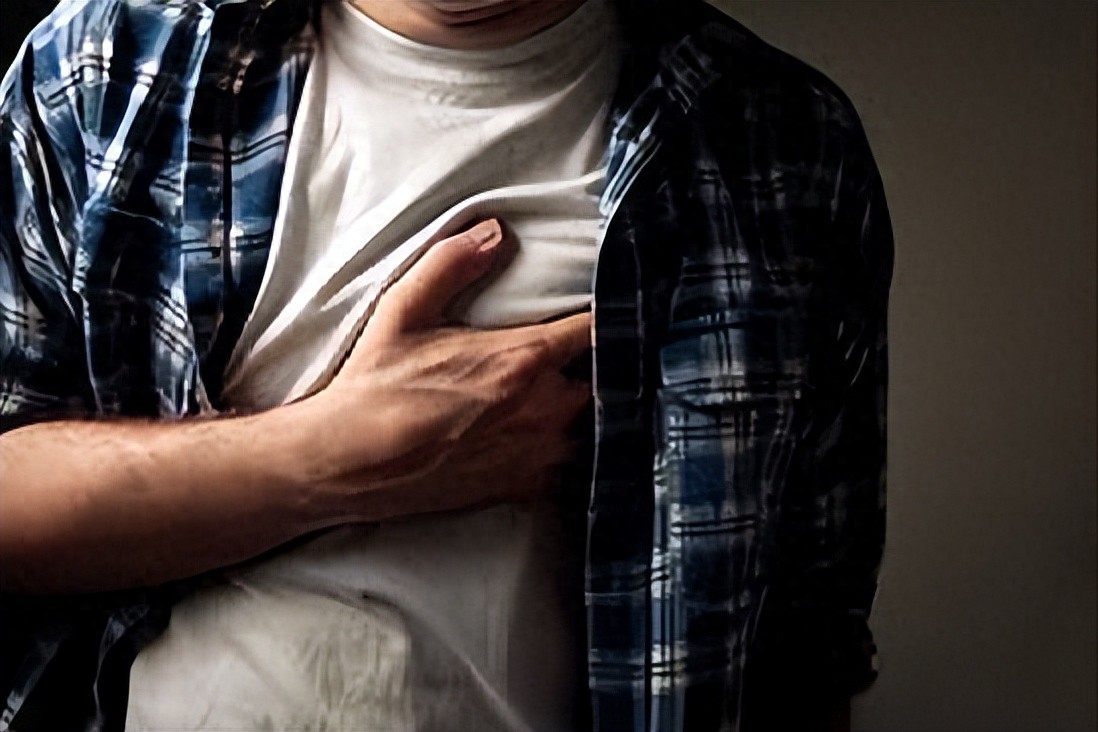
To understand the effects of Xiaoyao Wan, one must first grasp the basic theories of Traditional Chinese Medicine. In TCM theory, the liver governs dispersion and is responsible for regulating the body's qi and emotions; the spleen governs transformation and transportation, serving as the source of qi and blood production. Only when these two organs coordinate harmoniously can the body remain healthy and at ease. However, long-term stress and emotional suppression can lead to liver qi stagnation, as if all the doors and windows in a room are closed, preventing air circulation. This liver stagnation further affects the spleen and stomach functions, causing spleen deficiency and forming a "liver stagnation with spleen deficiency" constitution. At this point, a person not only experiences low mood but also develops various seemingly unrelated minor ailments.
Specifically, liver depression and spleen deficiency may cause the following common problems:
Migraines are a 困扰 for many people, especially pain in the temples. From the perspective of meridian circulation, the Gallbladder Meridian passes through the temple area, and the liver and gallbladder are exterior-interior to each other. Liver qi stagnation can lead to poor circulation of qi and blood in the Gallbladder Meridian, and "where there is blockage, there is pain," thereby causing migraines.
Insomnia and excessive dreaming are also common manifestations. In Traditional Chinese Medicine, it is believed that "the heart governs the spirit," but the heart spirit needs nourishment from the blood of the liver and the qi and blood transformed by the spleen. When liver depression affects the spleen, insufficient qi and blood are produced, and the heart spirit loses its nourishment, leading to difficulty falling asleep, excessive dreaming, and waking easily.
Digestive issues are equally common. Many people experience bloating, belching, poor appetite, and feeling full after eating only a little, which is often a manifestation of stagnant liver qi invading the spleen and stomach. In Traditional Chinese Medicine, this is known as "wood overacting on earth," where excessive liver qi suppresses the function of the spleen.
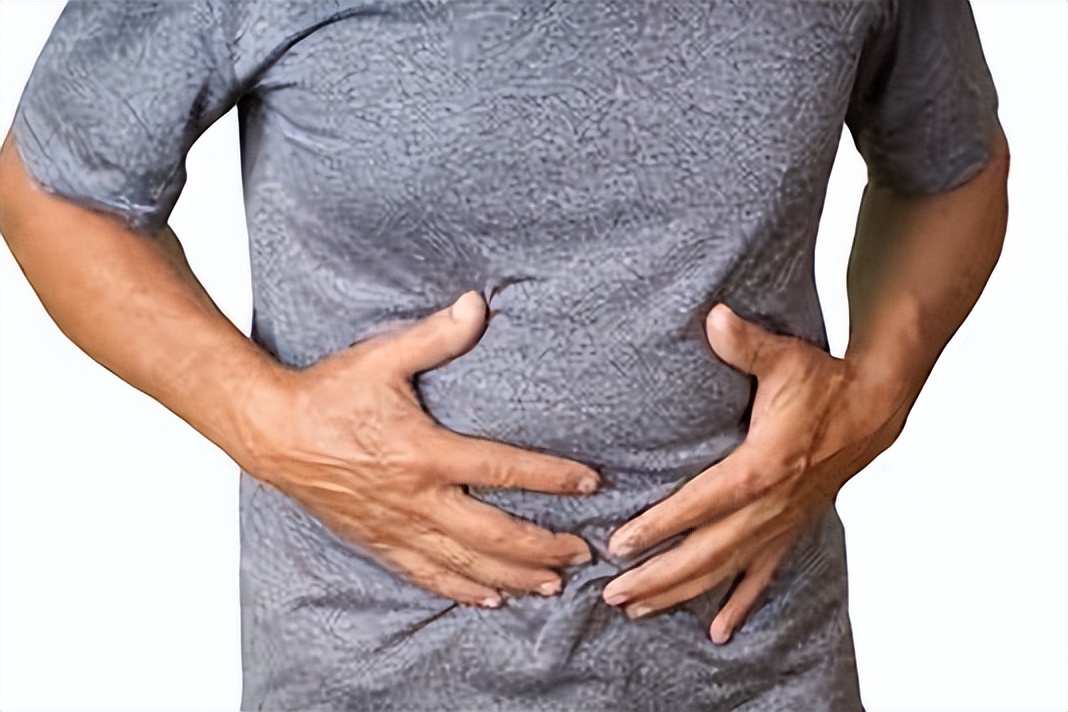
In addition, there are some seemingly strange but common problems that may also be related to liver depression and spleen deficiency:
Always feeling like there's something stuck in the throat, unable to cough it up or swallow it down. In Traditional Chinese Medicine, this is called "Mei He Qi." This is actually caused by qi stagnation leading to poor circulation of body fluids, creating a sensation of a foreign object in the throat area.
Female breast hyperplasia is often related to long-term qi stagnation and blood stasis. The liver meridian passes through the breasts, and liver qi stagnation can lead to qi and blood stagnation, forming nodules and masses.
Dry mouth and bitter taste are often manifestations of liver and qi rising upward. Liver stagnation can affect the normal drainage of bile, causing bile qi to rise and result in a bitter taste in the mouth.
Eye problems such as floaters and dry eyes are also related to liver blood failing to nourish the eyes. Traditional Chinese medicine believes that "the eyes are the orifice of the liver," and insufficient liver blood or stagnant liver qi can affect eye health.
Even constipation can be caused by qi stagnation leading to weak intestinal motility. This type of constipation is characterized by stools that are not dry or hard, but difficult to pass, with a persistent feeling of incomplete evacuation.
The composition of Xiaoyao Wan is meticulously designed, fully embodying the wisdom of holistic regulation in Traditional Chinese Medicine. In the formula, Chai Hu (Bupleurum) soothes the liver and resolves depression, serving as the sovereign herb; Dang Gui (Angelica) and Bai Shao (White Peony) nourish the blood and soften the liver, acting as the minister herbs; Bai Zhu (Atractylodes) and Fu Ling (Poria) strengthen the spleen and benefit Qi, serving as the assistant herbs; Bo He (Mint) assists Chai Hu in dispersing depression, Wei Jiang (Ginger) warms the middle and harmonizes the stomach, and Gan Cao (Licorice) harmonizes all the herbs, acting as the envoy herbs. The entire formula works together to achieve the effects of soothing the liver, strengthening the spleen, and nourishing the blood, regulating both the liver and spleen while 兼顾 (taking into account) both Qi and blood, thus giving it a wide range of applications.
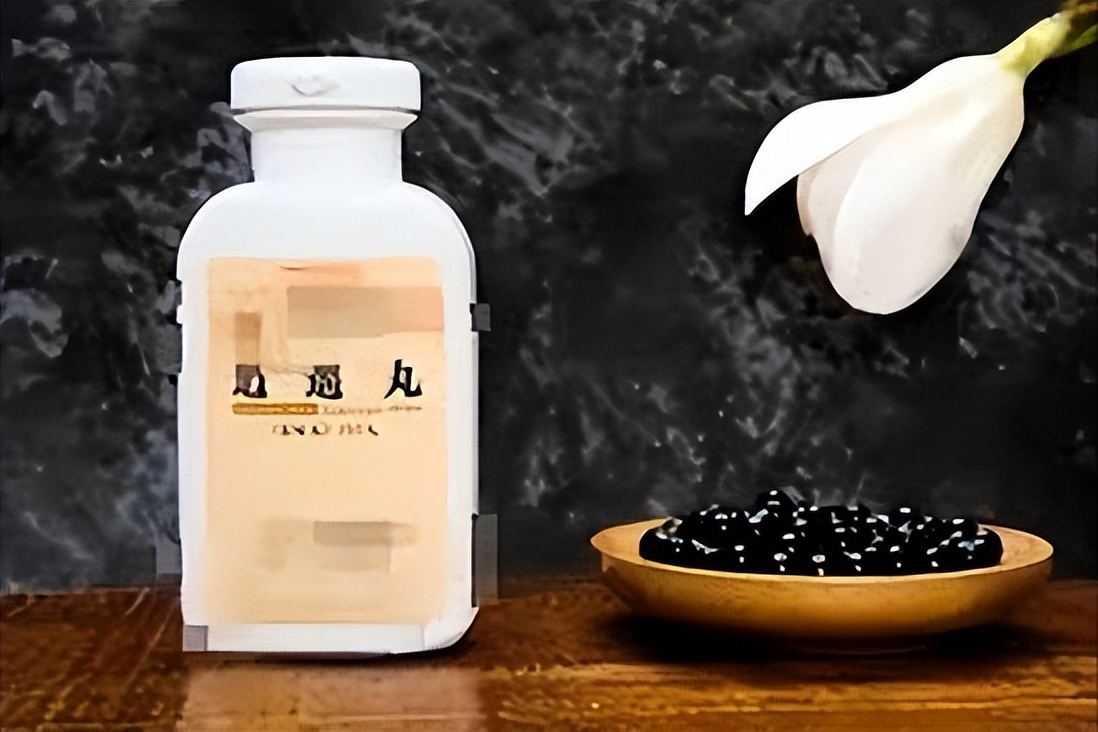
It should be noted that while Xiaoyao Wan is beneficial, it is not suitable for everyone. It is primarily indicated for individuals with liver depression and spleen deficiency, as well as those with disharmony between qi and blood. These people often exhibit significant emotional fluctuations, poor appetite, and fatigue. If there is excess fire or damp-heat in the body (manifesting as bitter taste in the mouth, yellow tongue coating, and constipation), or if one has a yin-deficient constitution (characterized by heat in the palms and soles, dry mouth, and parched tongue), it should not be used alone. It is recommended to use this medication under the guidance of a doctor based on syndrome differentiation to avoid using the wrong medicine for the condition.
In summary, many minor physical ailments are related to emotional imbalance and disrupted qi flow. Xiaoyao Pill helps restore balance by harmonizing the liver and spleen. However, medication is merely an aid; what's more important is adjusting your lifestyle, maintaining a cheerful mood, and establishing healthy habits to truly 告别 suboptimal health and regain peace and wellness of body and mind.
Please note that this article is for reference only. For specific medication, please follow the guidance of a professional physician. Everyone's physical constitution and condition are different, and individualized treatment based on syndrome differentiation is necessary to achieve the best results.