When blood deficiency persists for a long time, the liver must be regulated first. Drinking one hundred bowls of Siwu Tang is not as effective as this timeless first formula for soothing the liver
Many people feel they have blood deficiency—such as sallow or pale complexion, light-colored lips and nails, dizziness, blurred vision, palpitations, fatigue, or light menstrual flow—so they rush to find blood-nourishing formulas, with the most common being Siwu Tang. But some people drink it for several weeks, not only do their symptoms not improve, but they also experience symptoms like heatiness, abdominal bloating, and poor appetite. Why is this? In Traditional Chinese Medicine, when blood deficiency persists for a long time, one cannot just focus on "blood nourishment" itself, but must also consider whether it's related to the "liver." Often, the problem lies in "liver disharmony."
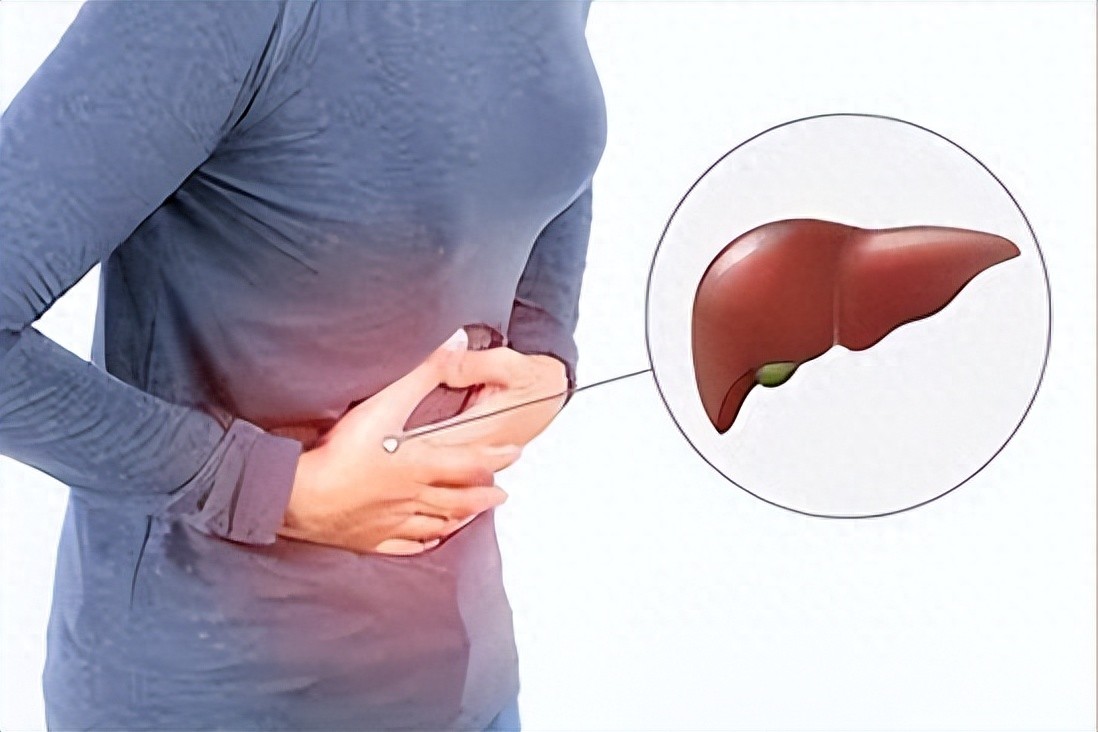
Traditional Chinese medicine theory emphasizes that the human body is an organic whole. Although blood deficiency manifests as insufficient blood, its production, circulation, and functional performance are related to multiple organs, especially the liver. The liver is the organ that stores blood, with the function of storing blood and regulating blood volume; at the same time, it governs dredging and regulating, ensuring the smooth flow of qi throughout the body, and promoting the circulation and distribution of blood and body fluids. This means that the liver is not only a "blood reservoir" but also the "commander-in-chief" that dispatches and regulates the circulation of qi and blood.
Long-term blood deficiency leads to insufficient liver blood, causing the liver to lose proper nourishment and its function of regulating qi to become abnormal. Once qi stagnation occurs, it creates a complex situation of "blood deficiency with liver depression." At this point, if one blindly tonifies, the nourished yin and blood not only fail to distribute throughout the body but also easily stagnate and transform into heat or congeal into blood stasis, resulting in a condition where the body cannot accept supplementation. This is like a leaking pool with blocked pipes—just adding water without fixing the leaks or clearing the blockages means the water cannot be retained and cannot reach where it's needed.
In addition to the general manifestations of blood deficiency, these patients often also exhibit symptoms of stagnant liver qi, such as: chest tightness with a tendency to sigh, depression or irritability, dull pain in the hypochondriac region (both sides of the body), a sensation of a foreign object in the throat, and in women, irregular menstruation and breast tenderness before menstruation. Their tongue is typically reddish with little coating, or has a thin yellow coating, and the pulse is usually thin and wiry or wiry and thin.

Therefore, for individuals with long-term blood deficiency accompanied by stagnant liver qi, treatment cannot simply focus on tonification and supplementation. Instead, a comprehensive approach of "nourishing liver yin + nourishing blood to soften the liver + soothing and promoting liver qi circulation" should be adopted. At this point, there is a formula more suitable than simply using Siwu Tang, and that is Yiguan Jian, from "Liuzhou Medical Talks" by the renowned Qing Dynasty physician Wei Zhixiu.
The composition of Yiguan Decoction is ingeniously designed, embodying the treatment principle of "nourishing water to nourish wood" while simultaneously soothing and regulating."
Rehmannia root nourishes yin and blood, and supplements the liver and kidneys, serving as the primary herb that focuses on replenishing the foundation of yin and blood
Goji berries nourish the liver and kidneys, replenish essence, and improve vision
Angelica nourishes blood and invigorates blood circulation, making it a key medicinal herb for tonifying blood and regulating menstruation
Glehnia root and Ophiopogon japonicus nourish the yin of the lung and stomach, embodying the principles of "cultivating earth to generate metal" and "metal and water generating each other," by replenishing the yin of the spleen, stomach, and lungs to support the growth of liver yin
Toosendan fruit (commonly prepared toosendan fruit) is the finishing touch of this prescription. It has a bitter and cold nature, capable of soothing the liver and regulating qi, as well as clearing and draining liver depression heat. This allows the entire formula to tonify without stagnation and nourish without being greasy, solving the problem of potential qi stagnation that may occur with simple blood tonification.
The formula works together to provide a comprehensive effect of nourishing yin and blood, as well as soothing the liver and regulating qi. It is particularly suitable for constitutions characterized by "liver yin deficiency, liver malnourishment, and concurrent qi stagnation." In modern times, it is also commonly used for chronic hepatitis, gastric ulcers, neurosis, and menstrual disorders that fall under the aforementioned syndrome patterns.
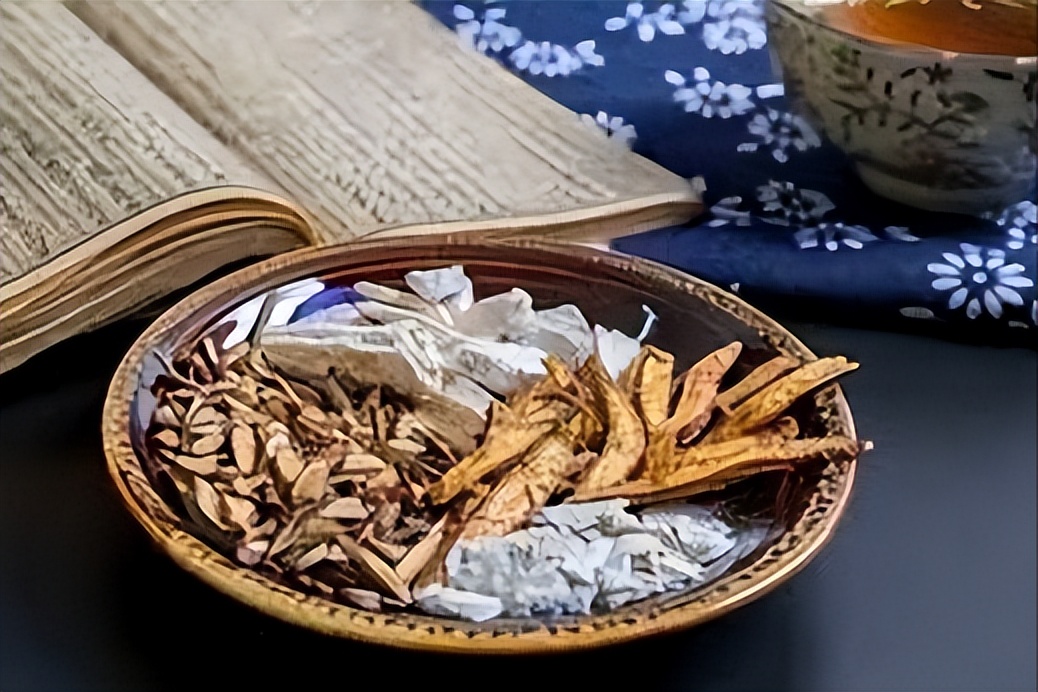
It should be emphasized that Yiguan Jian is mainly suitable for those with yin deficiency and blood insufficiency, as well as liver qi stagnation. However, it should not be used by individuals with damp-turbidity retention (manifesting as a thick greasy tongue coating, epigastric and abdominal bloating and distention, and sticky stools) or spleen and stomach deficiency-cold (manifesting as aversion to cold and preference for warmth, cold abdominal pain, and loose stools), as it may nourish yin and dampness or damage the middle jiao due to its cold nature. Pregnant women should also use it with caution.
In summary, when dealing with blood deficiency issues, one should not blindly supplement upon seeing deficiency. It is essential to first determine if there is stagnant liver qi or yin deficiency. Only when liver qi is regulated and qi and blood flow smoothly can the supplemented blood be truly absorbed, transported, and utilized, achieving the desired conditioning effect. The formula Yiguanjian embodies the wisdom of TCM's "treating the root cause" and "holistic regulation," skillfully combining nourishing blood with soothing the liver to make the path of blood enrichment smoother.