Illnesses are all caused by blockages, and the best unblocking method is these four herbs, clearing blockages wherever they occur
Many people often experience aches and pains in various parts of their body, or unexplained fatigue, numbness in hands and feet, yet medical examinations reveal no major issues. From a Traditional Chinese Medicine perspective, this is likely because a certain part of the body is "blocked"—meaning the flow of qi and blood is obstructed and the meridians are not clear. The discomfort caused by this "blockage" often comes and goes, its location is 不定, but it always follows you, affecting your quality of life.
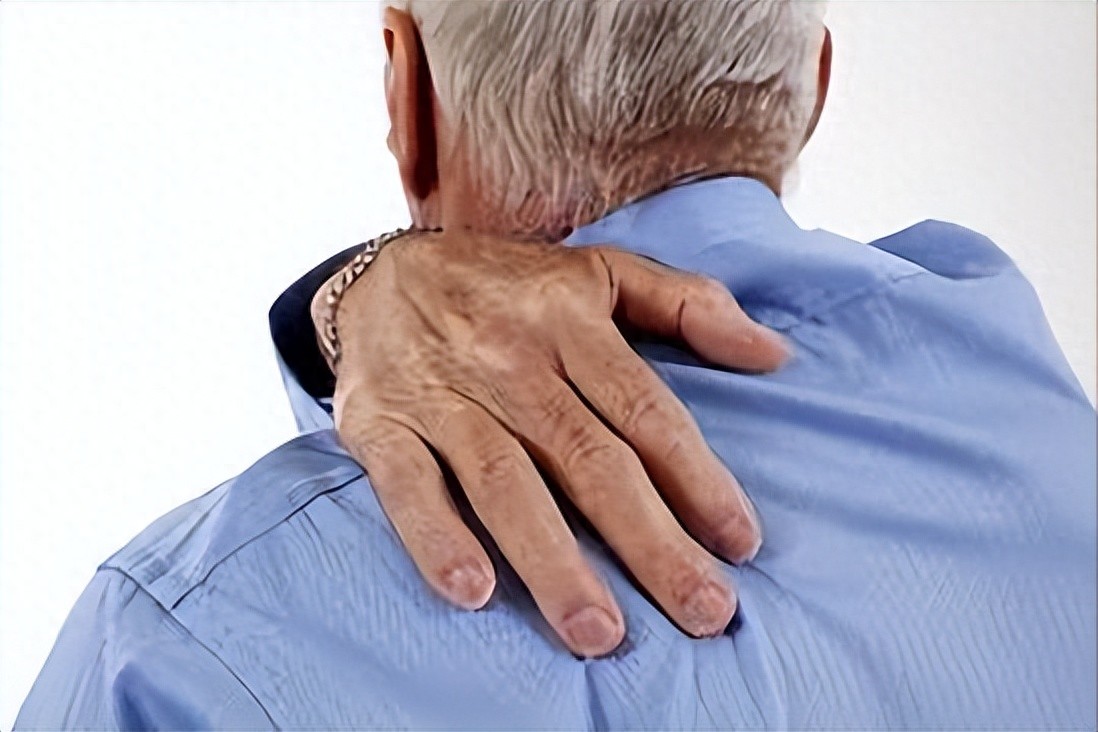
According to Traditional Chinese Medicine, qi and blood are the fundamental substances that maintain the body's vital activities. "Qi commands blood, and blood nourishes qi," with the two being interdependent and circulating together through the meridians to nourish all organs and tissues. Only when qi and blood flow smoothly can a person remain healthy. Once qi stagnation and blood stasis occur, causing blockages in the meridians, various discomforts will arise.
The formation of qi and blood stasis is usually related to multiple factors: maintaining poor posture for long periods (such as prolonged sitting or standing) can obstruct local qi and blood circulation; emotional suppression and excessive stress can cause qi stagnation, which in turn leads to poor blood flow; improper diet, especially overconsumption of greasy and sweet foods, can easily produce phlegm-dampness that blocks the meridians; improper recovery after injuries or surgery can also leave blood stasis; as people age, the circulation of qi and blood naturally slows down, and with insufficient yang energy, it becomes easier to form stasis.
Blockages in different areas manifest as various symptoms: neck and shoulder stiffness and lower back pain are often due to local meridian obstruction; headaches and dizziness may be related to poor blood and qi circulation in the head; chest tightness and palpitations are typically manifestations of qi stagnation and blood stasis in the chest; for women, menstrual cramps and blood clots are often associated with poor blood and qi flow in the uterus; even some skin issues, such as dull complexion and spots, can be external manifestations of internal blood and qi stagnation.
Today I'd like to introduce a special formula for "unblocking"—Huoluo Xiaoling Dan. It comes from "Medical Records of Sino-Western Medicine" by the renowned physician of modern times Zhang Xichun. Although it contains only four ingredients, the combination is meticulously crafted with remarkable unblocking effects. The entire formula embodies the wisdom of Traditional Chinese Medicine that focuses on both unblocking and toning, while regulating both qi and blood:

Angelica (15g): Nature is warm, flavor is sweet and pungent, enters the liver, heart, and spleen meridians. It can both nourish blood and activate blood circulation, resolving stasis, with the characteristic of "nourishing within movement and supplementing within circulation," earning it the reputation of "holy medicine for blood." In the formula, it mainly functions to nourish and activate blood, regulate menstrination and relieve pain, preventing the consumption of yin and blood during the unblocking process.
Salvia miltiorrhiza (15g): Slightly cold in nature, bitter in flavor, and affiliated with the Heart, Pericardium, and Liver meridians. It excels at activating blood circulation to remove stasis, promoting menstruation, and relieving pain. It can improve microcirculation and promote tissue repair. Traditional Chinese medicine often says "A decoction of Salvia miltiorrhiza alone has the same effect as the Four-Substance Decoction," demonstrating its dual effects of activating blood and nourishing blood.
Frankincense (10g): Warm in nature, bitter and pungent in taste, and affiliated with the heart, liver, and spleen meridians. It excels at promoting qi circulation and activating blood, relaxing muscles and activating collaterals, reducing swelling and promoting tissue regeneration. Its pungent and aromatic nature allows it to penetrate the organs and meridians, making it an excellent remedy for pain caused by qi and blood stagnation.
Myrrh (10g): Neutral in nature, bitter in flavor, and affiliated with the Heart, Liver, and Spleen meridians. It excels at dispelling stasis, alleviating pain, reducing swelling, and promoting tissue regeneration. Used in combination with frankincense, it enhances the effects of activating blood circulation, promoting qi flow, and relieving pain through menstruation. Together, these two herbs form a commonly used herbal pair in Traditional Chinese Medicine for invigorating blood circulation.
The four herbs work together to invigorate blood circulation, resolve stasis, unblock meridians, and relieve pain, while also regulating both qi and blood in a balanced manner. They provide effective unblocking without causing damage, making them suitable for various physical discomforts caused by blood stasis. Modern pharmacological research has shown that this formula has multiple effects, including improving blood circulation, anti-inflammatory and analgesic properties, and promoting tissue repair.

It should be noted that this formula focuses on "unblocking" and is suitable for people with confirmed blood stasis, commonly manifested as fixed pain locations that worsen at night, dark tongue with possible ecchymosis, and a choppy pulse. The following cases should be used with caution or are contraindicated: contraindicated for pregnant women; use with caution for those with excessive menstrual flow or bleeding tendencies; those with qi and blood deficiency should be combined with qi-tonifying and blood-nourishing medications; those with yin deficiency and fire excess should be combined with yin-nourishing and fire-reducing medications. It is recommended to use this formula under the guidance of a doctor based on syndrome differentiation, and it should not be taken long-term without medical supervision.
Please note that this article is for reference only. For specific medication, please follow the guidance of a professional physician. Everyone's physical constitution and condition are different, and individualized treatment based on syndrome differentiation is necessary to achieve the best results.