Treating Liver Disease from the Kidney: A Chinese Patent Medicine, Stronger Liver with Robust Kidney
When many people experience symptoms like dizziness, dry eyes, irritability, insomnia, and frequent dreams, their first reaction is to think it's "excess liver fire" or "poor liver health," leading them to take liver-clearing medications on their own. However, the results are often unsatisfactory, and they may even experience discomfort such as diarrhea and fatigue. In traditional Chinese medicine theory, the liver and kidneys are closely related, and many issues that appear to be "liver-related" actually stem from the "kidney."
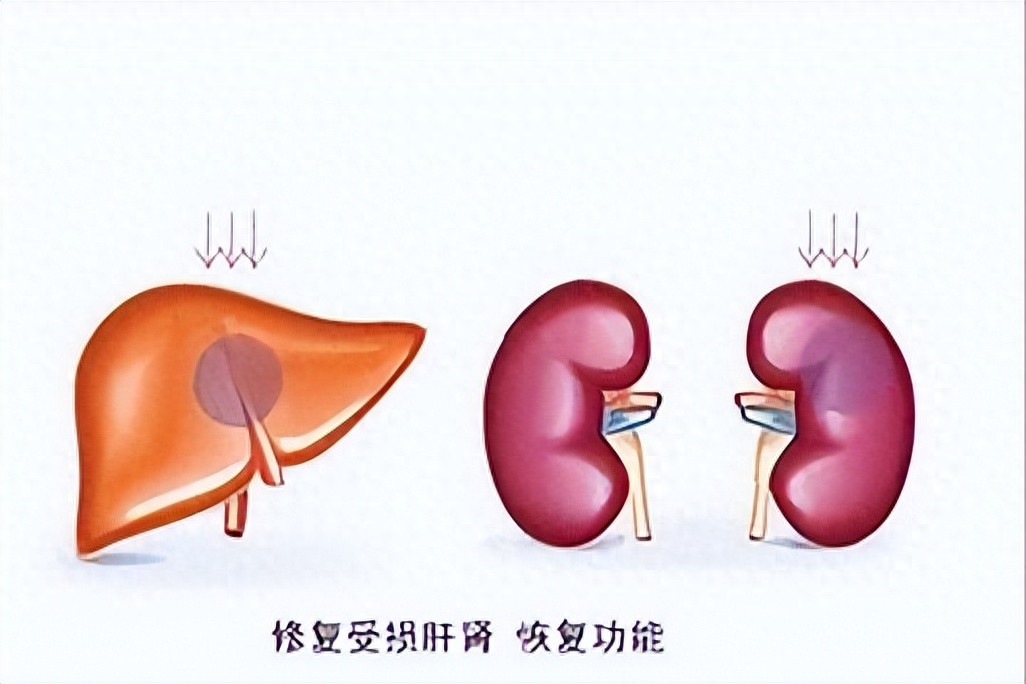
Traditional Chinese medicine has long held the theories of "liver and kidney sharing the same origin" and "essence and blood mutually generating." The liver stores blood, while the kidneys store essence. Essence can transform into blood, and blood can nourish essence, with the two mutually supporting and transforming each other. Kidney yin, as the foundation of the body's yin fluids, can ascend to nourish the liver wood, moistening the liver yang and keeping it gentle without becoming overly hyperactive. If kidney yin is deficient and the kidney water is depleted, unable to restrain liver yang, it can lead to hyperactive liver yang, manifesting as symptoms such as dizziness, headaches, flushed face, irritability, insomnia, and frequent dreams. This condition may appear as "liver fire," but it is actually caused by insufficient "kidney water."
Similarly, insufficient liver blood is closely related to deficient kidney essence. Liver blood requires the transformation of kidney essence, and kidney essence also needs nourishment from liver blood. Deficiency of kidney essence can lead to insufficient liver blood, manifesting as pale complexion, dry and blurred eyes, brittle nails, numb hands and feet, etc. These patients often exhibit symptoms of kidney deficiency, such as sore waist and knees, memory impairment, tinnitus, and deafness.
From the theory of the five elements, the kidney belongs to water, and the liver belongs to wood; water generates wood. Sufficient kidney yin is necessary to nourish the liver wood, preventing excessive liver yang and liver blood deficiency. If kidney water is insufficient, failing to nourish the wood, it can lead to various manifestations of hyperactive liver yang or insufficient liver blood.
For this condition of "deficient liver and kidney yin and insufficient essence and blood," there is a classic Chinese herbal formula—Gui Sha Di Huang Wan. This formula is based on Liu Wei Di Huang Wan (rehmannia glutinosa, cornus officinalis, Dioscorea opposita, alisma orientale, moutan bark, poria) and is enhanced with angelica sinensis and white peony root.
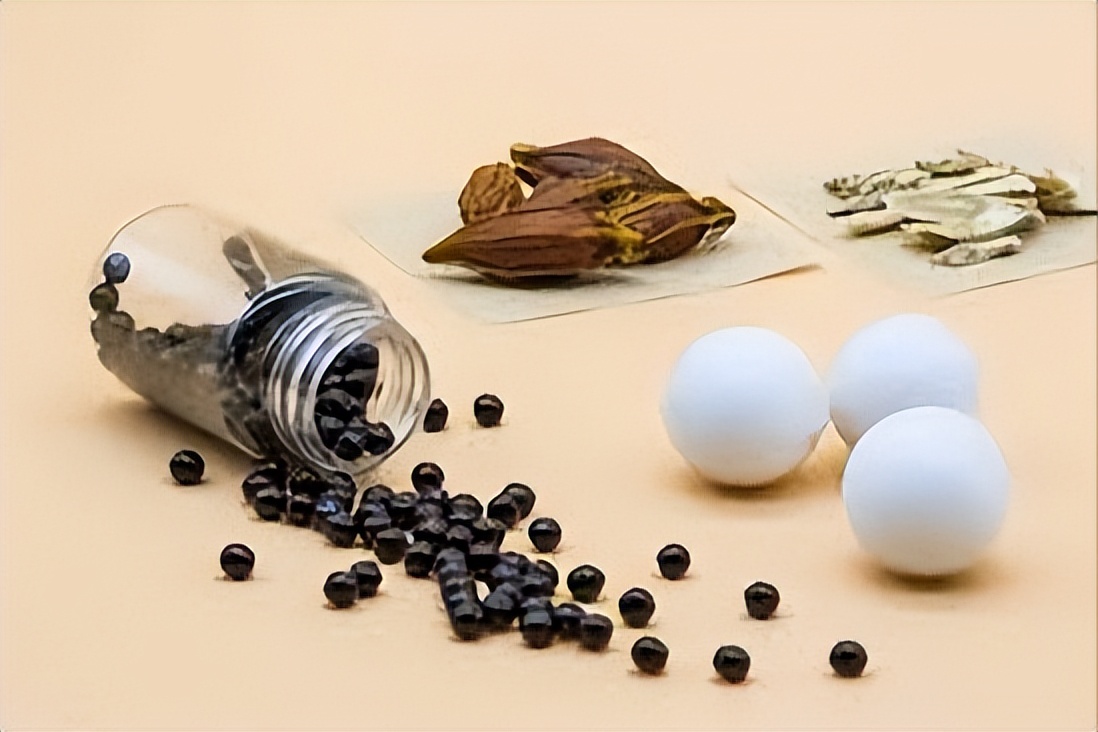
In the formula, rehmannia glutinosa nourishes yin and tonifies the kidneys, replenishing essence and marrow, serving as the chief herb; cornus officinalis and Dioscorea opposita nourish the liver and kidneys, astringe essence, and prevent collapse, while Dioscorea opposita also tonifies spleen yin and solidifies the kidneys, acting as deputy herbs; alisma orientale promotes diuresis and eliminates turbidity, moutan bark clears and dispels ministerial fire, and poria leaches spleen dampness, all serving as assistant herbs. The addition of angelica sinensis replenishes blood and invigorates blood circulation, while white peony root nourishes blood, softens the liver, and calms liver yang, allowing the entire formula to nourish kidney yin while also tonifying liver blood, achieving the effects of replenishing the liver and kidneys and filling essence and blood.
Gui Shaai Di Huang Wan is suitable for individuals with deficiency of both the liver and kidneys, as well as those with yin deficiency and blood deficiency. Common symptoms include: dizziness and tinnitus, dry and blurred eyes, lackluster complexion, pale lips and nails, palpitations and insomnia, frequent dreams and easy fright, sore waist and knees, heat in palms and soles, afternoon fever, and night sweats. The tongue appearance often shows red with little coating or cracks, and the pulse is usually thready and rapid or wiry and thready.
It is important to note that Gui Shaai Di Huang Wan is primarily for tonification and is suitable for deficiency patterns. It should be discontinued if there are external symptoms such as cold, fever, cough, and excessive phlegm. It should be used with caution in individuals with weak stomach and intestines, such as those with abdominal distension, loose stools, and poor appetite. It should not be used in cases of yellow and greasy tongue coating, dark yellow and reddish urine, or internal damp-heat. It is recommended to use it under the guidance of a doctor for better efficacy.
During medication, attention should also be paid to lifestyle adjustments: maintain emotional stability and avoid irritability; ensure adequate sleep and avoid staying up late; engage in gentle exercises such as Tai Chi and Baduanjin; maintain a light diet and include yin-nourishing foods like Chinese yam, lily bulb, and white fungus.

In summary, when encountering "liver" issues, do not overlook the "kidney" factors. The liver and kidneys are interconnected, with essence and blood mutually generating each other. Physiologically, they mutually promote each other, while pathologically, they mutually influence each other. Simultaneously nourishing the liver and kidneys often yields better regulatory effects. As a representative formula for tonifying the liver and kidneys, Guishao Dihuang Wan provides an effective solution for the treatment of liver-kidney yin deficiency syndrome. However, it is essential to accurately identify the syndrome before use to achieve satisfactory therapeutic outcomes.
Modern people face high work pressure, stay up late, and overuse their eyes, which can easily deplete the yin of the liver and kidneys. Understanding the relationship between the liver and kidneys and learning to regulate them properly is of great significance for maintaining health. Through the introduction in this article, it is hoped to help everyone better understand the theory of TCM "liver and kidney share the same origin" and learn to properly care for their bodies.