Xiao Yao Wan is the real king of dampness removal, learn how to use it properly to regulate 90% of dampness
Do you often feel physically heavy and weak, especially tired upon waking up in the morning? Your hair and skin are always prone to oiliness, and even after just washing your face, you feel greasy again? Your stomach frequently feels bloated, with loose stools and diarrhea? If you observe your tongue closely, you will notice a swollen tongue body with teeth marks and thick, greasy coating? If you have tried many dampness removal methods but the results are always short-lived, then it is likely because you have overlooked the fundamental cause of dampness generation—the synergistic dysfunction of the liver, spleen, and kidney.

In Traditional Chinese Medicine theory, the formation of dampness is never caused by a single factor. It involves the functional states of multiple zang-fu organs, with the most important being the liver, spleen, and kidney. The liver governs the dispersing function, responsible for regulating the body's qi. The fast-paced modern lifestyle and high work pressure easily lead to liver qi stagnation. Liver qi disharmony directly affects the spleen's transportation and transformation function, which in TCM is called "liver wood overcoming earth." The spleen governs the transportation and transformation of water-dampness and is the "source of generating dampness." If the spleen is deficient, its transportation and transformation becomes weak, leading to internal retention of water-dampness, which accumulates to form dampness. The kidney governs water metabolism and is the "root of generating dampness." Kidney yang is the root of the body's yang qi, capable of warming the spleen yang and aiding in the transportation and transformation of water-dampness. If kidney yang is insufficient, the body cannot evaporate water, leading to rampant water-dampness.
Therefore, simply draining dampness often only treats the symptoms, not the root cause, like clearing stagnant water without repairing the leaky pipe. To fundamentally improve dampness constitution, it is necessary to address the liver, spleen, and kidney simultaneously to restore the body's normal water metabolism function.
For stubborn dampness caused by the complex pathophysiology involving liver constraint, spleen deficiency, and kidney yang deficiency, a therapeutic approach combining Xiaoyao Wan (Free Wanderer Pill) and Guifu Dihuang Wan (Cinnamon Bark and Prepared Aconite Rehmannia Pill) can be considered. This combination exemplifies the essence of TCM's holistic concept and treatment based on pattern differentiation, achieving a root-and-branch therapeutic effect through a multi-targeted, multi-level regulatory action.

Xiaoyao Pill originates from the Song Dynasty's "Taiping Huimin Heji Jufang" and is a representative formula for dispersing liver qi and strengthening the spleen. The entire formula consists of Chaihu (Bupleurum chinense), Danggui (Angelica sinensis), Baishao (Paeonia lactiflora), Baizhu (Atractylodes macrocephala), Fuling (Poria cocos), Bohe (Mentha haplocalyx), Wubing (Piper acuminatum), and Gancao (Glycyrrhiza uralensis). In the formula, Chaihu disperses liver qi and alleviates stagnation, allowing liver qi to flow smoothly; Danggui and Baishao nourish blood and soften the liver, both replenishing the liver body and aiding its function; Baizhu, Fuling, and Gancao strengthen the spleen and invigorate qi, reinforcing the earth to resist wood's oppression; Bohe assists Chaihu in resolving liver qi stagnation; Wubing warms the middle and calms the stomach. Together, these herbs achieve the effects of dispersing liver qi, strengthening the spleen, and nourishing blood. It is particularly suitable for individuals under high pressure, emotional fluctuations, with accompanying symptoms such as chest and hypochondriac distension, poor appetite, and menstrual irregularities due to liver qi stagnation and spleen deficiency.
Gui-Fu Di-Huang Wan is formulated by adding two warming yang herbs, cinnamon bark (Rou Gui) and aconite root (Fu Zi), to Liu Wei Di Huang Wan (rehmannia root, cornus fruit, Chinese yam, alisma rhizome, peony root, poria). It excels in warming and tonifying kidney yang. In the formula, aconite root, with its extreme pungency and heat, warms the kidneys and supports yang; cinnamon bark, with its pungent, sweet, and extremely hot properties, warms and tonifies the gate of life; rehmannia root nourishes yin and tonifies the kidneys; cornus fruit nourishes and tonifies the liver and kidneys; Chinese yam tonifies spleen yin; alisma rhizome, peony root, and poria, known as the "three draining herbs," promote diuresis and clear turbid phlegm, ensuring the formula is nourishing without greasiness. The entire formula balances both yin and yang but primarily focuses on warming and tonifying kidney yang. When kidney yang is sufficient, it can warm the spleen yang, aiding in the transformation and transportation of body fluids. This formula is suitable for symptoms caused by insufficient kidney yang, such as aversion to cold, limbs coldness, soreness and weakness of the lower back and knees, frequent nocturia, clear and long urination, and loose stools.
The combination of these two formulas embodies the TCM wisdom of "simultaneously treating the upper and lower." Xiaoyao Wan (Free Wanderer Pill) works from the middle energizer to course the liver and fortify the spleen, cutting off the source of dampness production. Guifu Dihuang Wan (Cinnamon and Aconite Rehmannia Pill) acts from the lower energizer to warm and supplement kidney yang, enhancing the body's ability to transform and move fluids. This strategic pairing addresses both the source of dampness and its exit pathway, effectively treating both the root and the branch of the condition.
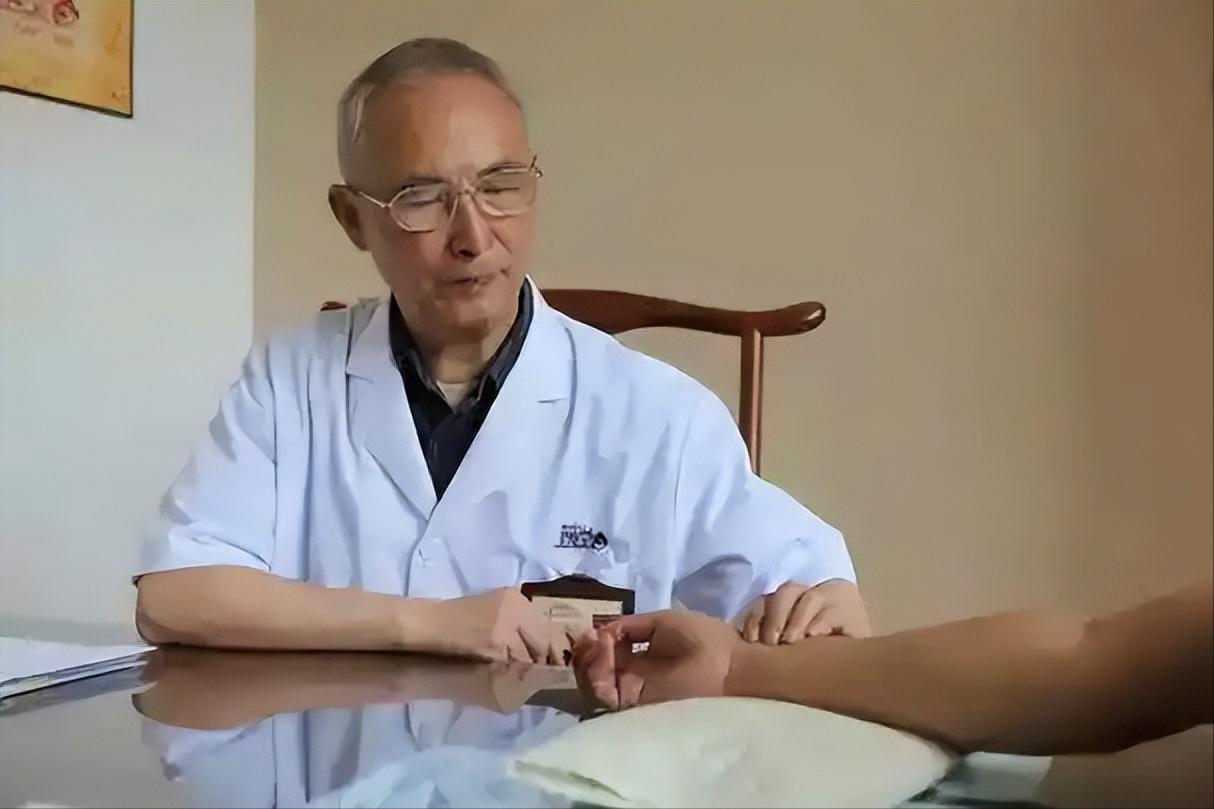
It should be noted that this formula is primarily suitable for individuals with a cold damp constitution characterized by liver qi stagnation, spleen deficiency, and insufficient kidney yang. It should not be used if there are signs of damp-heat, such as dry mouth, bitter taste, yellow greasy tongue coating, or symptoms of yin deficiency and excess fire, like evening fever and night sweats with red tongue and few coating. Additionally, the medication should be temporarily discontinued during colds with fever, and pregnant women or individuals with special constitutions should use it under the guidance of a doctor.
In summary, eliminating dampness is not simply "draining water," but rather restoring the normal function of the body's fluid metabolism. Only when the liver qi is regulated, the spleen's transportation is robust, and the kidney's yang qi is strong in transformation, can the normal distribution of fluids be achieved, truly realizing the state of "a body free from dampness." The regulatory approach of Xiaoyao Pill combined with Guifuzihuang Pill is precisely based on this holistic concept, providing an effective solution for stubborn dampness. Of course, everyone's constitution is different, and it is recommended to use it according to syndrome differentiation under the guidance of a professional doctor to achieve the best effect.