It is the true "pure yang treasure," steep a cup in an insulated cup every day, replenish the yang to the deepest level
Does anyone else feel this way: as soon as it gets cold in autumn or winter, or whenever the weather cools down, their hands and feet get cold and no matter how much they warm them, they remain cold. They lack energy during the day, yawn constantly, and feel like they can't get anything done, as if their phone's battery isn't fully charged.
In traditional Chinese medicine, this is likely due to the body's "little sun" - yang - not being strong enough.
What is yang qi? Don't think too complicated. Simply put, it is our body's "engine" and "heating system." It is responsible for warming our limbs and bones, promoting the circulation of blood and nutrients, and helping us resist external coldness. When yang qi is weak, the entire efficiency of the body's operation decreases, naturally leading to feeling cold and fatigued.
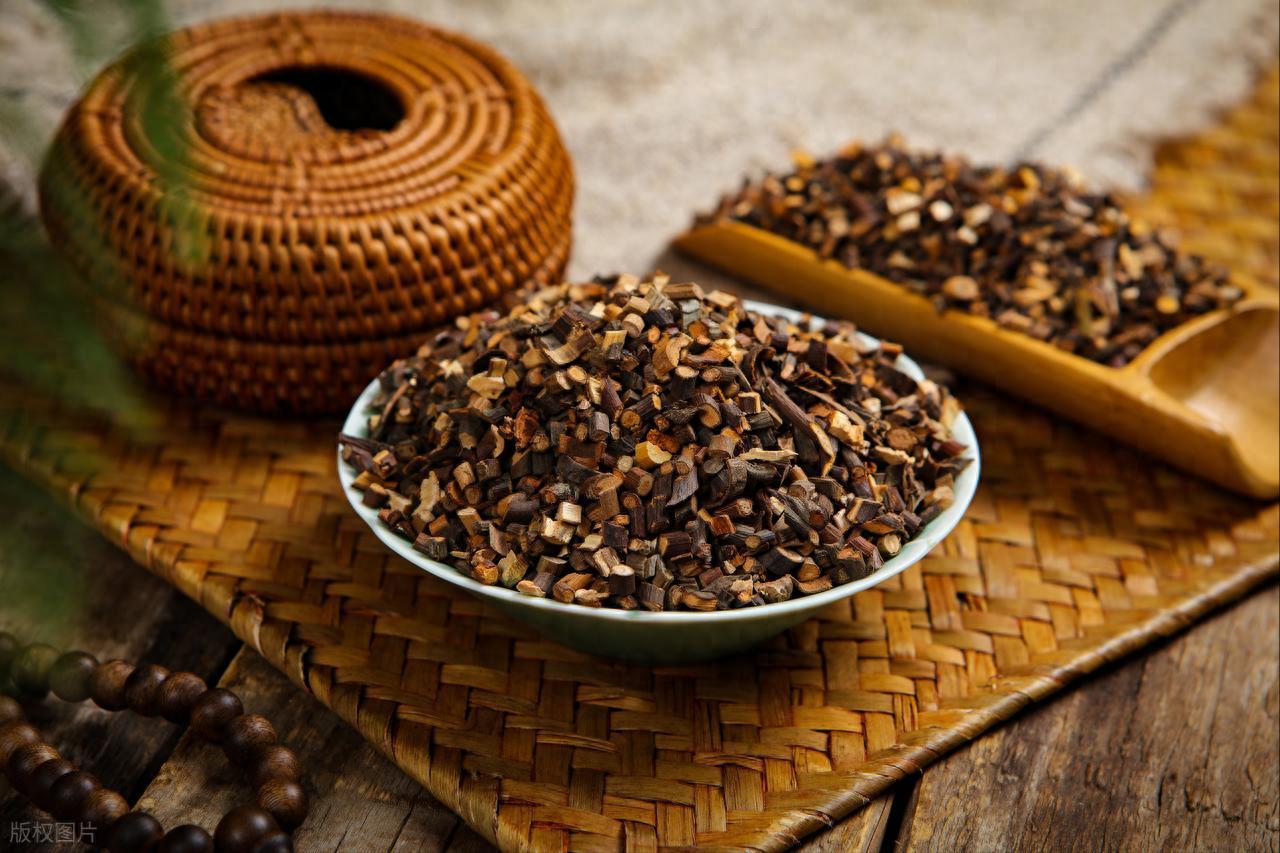
To give this "engine" some fuel and make the "heating system" warmer, many people only think of ginger and mutton. But today, I want to talk about a treasure that is often overlooked but renowned in traditional Chinese medicine formulas—cinnamon twigs.
Gui Zhi (Ramulus Cinnamomi) refers to the young twigs of the cinnamon tree. Unlike Rou Gui (Cinnamomi Cortex), the bark which warms the interior and heats the body, Gui Zhi's distinctive ability lies in its tendency to "move outward and unblock." Its core functions are to "release the muscle layer, effuse the exterior, warm, and unblock the meridians."
What does this mean?
"Promote muscle and surface manifestation": This means it can open our body's surface pores, acting like a "pioneer" to drive out the cold qi stuck in the superficial layer of the body.
"Warm and unblock meridians": At the same time, it can also unblock the extensive "channels" (i.e., meridians) in our body, allowing qi and blood to flow smoothly to the extremities. That's why you feel warm from the inside out.
But using cinnamon alone is a bit too intense in power, afraid of harming our fundamental health. So, in the formulas passed down by our ancestors, they always pair it with a "golden partner" — jujubes.
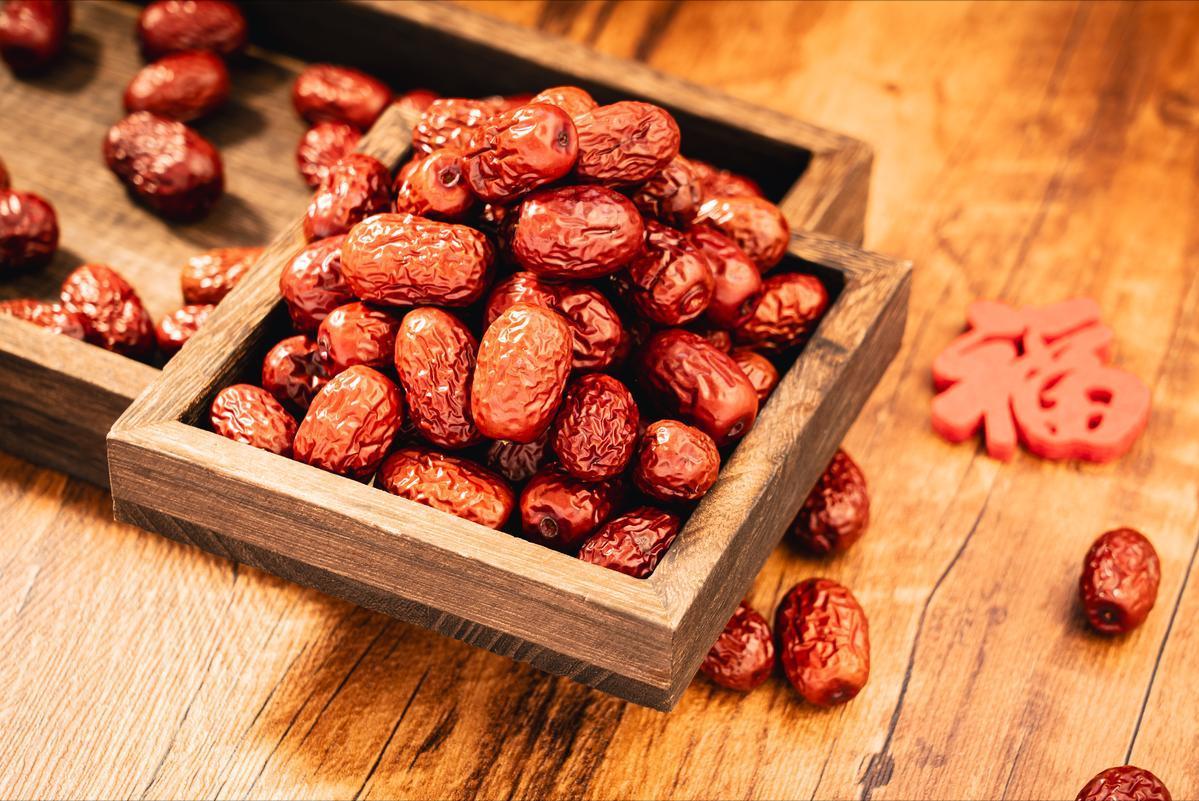
Here, jujubes are not just for adding sweetness. They have a sweet and warm nature, with the main tasks of "strengthening the middle, invigorating qi and blood, and calming the spirit." The "middle" refers to our spleen and stomach digestive system. It can replenish energy (qi and blood) for the body while moderating cinnamon's pungent dispersing properties, making the process of replenishing yang smoother and less harmful to the body. One focuses on attacking (cinnamon), the other focuses on defending (jujubes), creating a very clever combination.
Here is a simple and practical method you can remember:
【Cinnamon Jujube Tea】
Ingredients: Cinnamon 5g, seedless jujubes 3-5 pieces.
Instructions: Place the cinnamon and the halved jujubes (halving them helps release more flavor) into a thermos, pour in freshly boiled hot water, cover the lid, and steep for 15-20 minutes. It can then be consumed as tea. It can be repeatedly brewed until the flavor becomes weak.
Which groups of people are this tea particularly suitable for?
People who feel cold in their hands and feet during winter or in air-conditioned rooms.
People who often feel tired and weak, lack energy, and do not want to talk or move.
People who easily catch colds after exposure to cold, experiencing wind, sneezing, and clear nasal discharge (very effective for the initial stage of wind-cold colds).
The body exhibits "upper heat and lower cold"—pimples on the face, dry mouth, but cold legs and feet.

Warm reminder: Of course, if you have a "yin deficiency with excess fire" constitution that is prone to easy internal heat, dry mouth and throat, or warm palms, or if you are currently suffering from a cold with high fever, then this tea is not very suitable. Any regulation method emphasizes "treating according to the specific condition."