Goji berries can not only increase sperm, but also lower blood sugar? Is it better to eat dried goji berries or soak them in water? Here comes the answer
Every morning, Aunt Li would soak a glass of goji berry water and take a sip while watching TV. She often said: "When people get older, they have to make up for it, wolfberry can nourish the liver and eyes, nourish the kidneys and strengthen the yang." ”
Uncle Wang, an old neighbor, smiled and shook his head: "You are hearsay, wolfberry can also lower blood sugar!" I chew a few after meals now, and my blood sugar is much more stable. ”
1. What is the "real ability" of wolfberry? Don't just recognize "aphrodisiac" anymore
Goji berries have long been "on the list" in traditional Chinese medicine classics. The "Shennong Materia Medica" lists it as a superior product, believing that it is "light and ageless after long-term use, and resistant to cold and heat". Traditional Chinese medicine believes that wolfberry has the effects of nourishing the liver, nourishing the kidneys, moistening the lungs, and brightening the eyes, and is often used to treat vision loss and waist and knee soreness caused by liver and kidney yin deficiency.
Many people think that goji berries are just "men's tonic", but in fact, its role is much more than that. Modern medical research has found that polysaccharides, betaine, and flavonoids in wolfberry have various functions such as antioxidant, regulating immunity, and improving metabolism.
In particular, the goji berry polysaccharides are considered the most important active ingredients of goji berries, which have physiological activities such as anti-fatigue, anti-aging, and blood sugar regulation.

2. Can wolfberry really lower blood sugar? Don't worry, let's see what the research says first
Many diabetics hear that goji berries can lower blood sugar, so they start soaking them in water every day as a "medicine". But is wolfberry really so divine?
The answer is: it has a certain auxiliary effect, but it is not a "special drug" for lowering blood sugar.
In 2015, a study published in the Chinese Journal of Pharmacology pointed out that wolfberry polysaccharides can improve insulin resistance, reduce fasting blood sugar and glycated hemoglobin levels in animal experiments. In addition, a clinical study by Nanjing University of Traditional Chinese Medicine also showed that long-term intake of goji berries can improve blood sugar control in patients with type 2 diabetes to a certain extent.

However, experts also remind that most of these studies are preliminary results, and the number of samples is limited, which is not enough to replace formal drug treatment.
In other words, wolfberry can be used as a "health food" to assist in regulating blood sugar, but it cannot replace hypoglycemic drugs, let alone rely on it to reverse diabetes.
3. Eat dry or soak in water? Did you eat right?
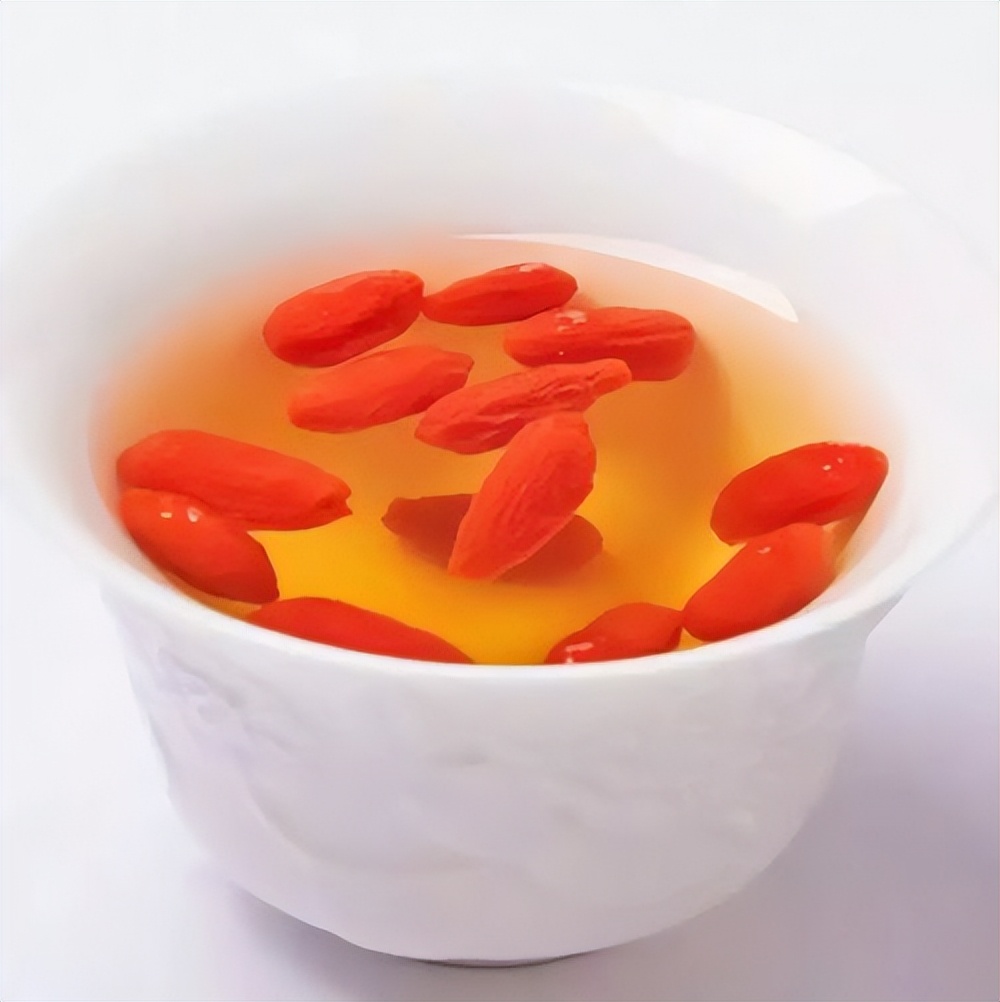
Many people soak goji berries in water to drink, the color is bright red, the taste is slightly sweet, and it seems to be very healthy. But the question is: can soaking in water produce the "essence"?
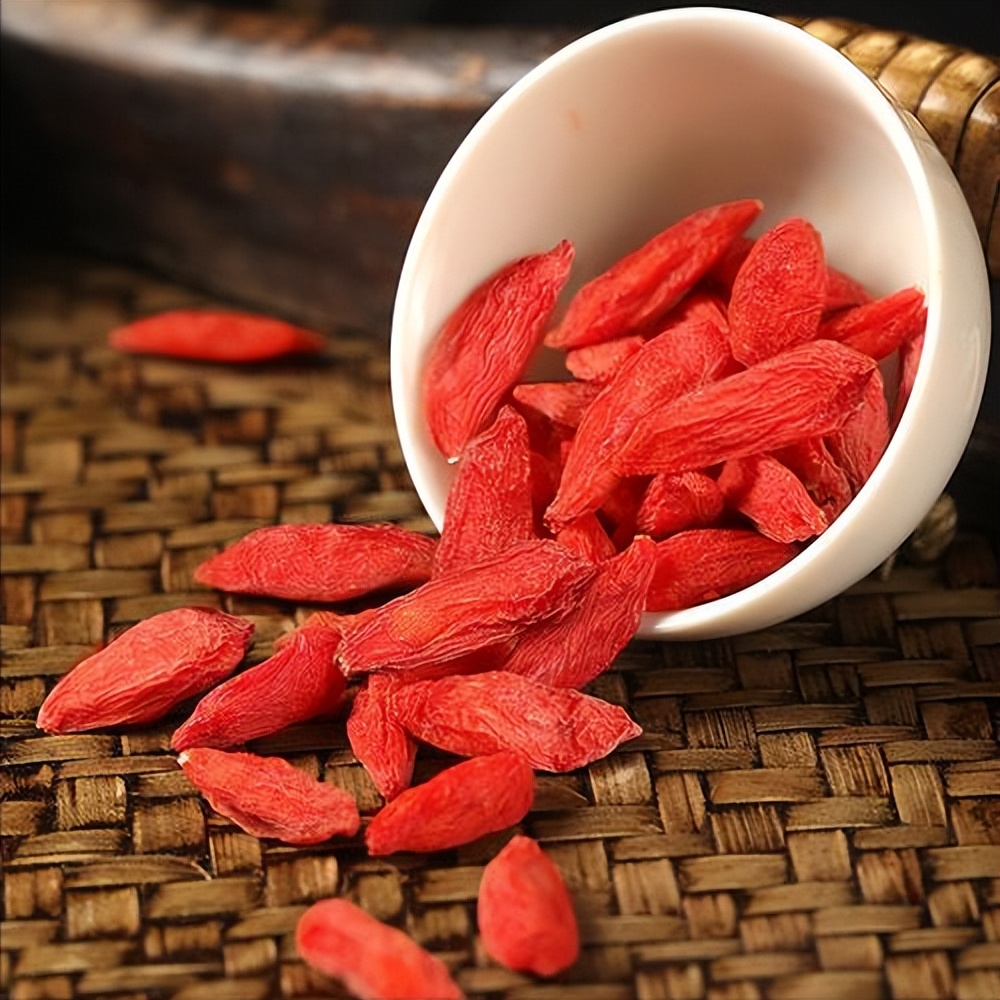
The answer is: although soaking in water is convenient, the active ingredients are lost more and the dry chewing effect is better.
Studies have shown that the beneficial components in goji berries, such as goji berry polysaccharides, betaine, vitamin C, etc., are easy to decompose or dissolve incompletely when heated. An analysis from China Agricultural University showed that soaking goji berries in hot water can only release about 30% of goji berry polysaccharides at most; Chewing goji berries directly can absorb their nutrients more fully.
Of course, it doesn't mean that soaking in water is useless. If you just want to moisten your throat and replenish some water, soaking in water is completely fine; But if you want to play a health care role, it is recommended to focus on dry chewing and supplement soaking in water.
4. Who is suitable for eating goji berries? Not everyone can "make up for it casually"
Although goji berries have many benefits, it is not a panacea, and not everyone is suitable for long-term consumption in large quantities.
People who are suitable for eating goji berries include:
Middle-aged and elderly people: those with vision loss, liver and kidney deficiency;
People who are sedentary and have poor resistance: wolfberry can enhance immunity;
People with mild diabetes or abnormal glucose tolerance with high blood glucose: can be used as an adjunctive dietary adjustment.

However, the following people should use it with caution:
People with colds and fevers: Traditional Chinese medicine believes that wolfberry is warm and easy to help heat;
Diarrhea, spleen deficiency and dampness: may aggravate symptoms;
Pregnant women: Some individuals may be sensitive to the active ingredients in goji berries, and it is recommended to consume them under the guidance of a doctor.

In addition, the daily consumption should be moderate. It is generally recommended to have 10~20 grams per day, about a small handful, and excessive amounts may cause anger or indigestion.
5. These "ways to eat" goji berries make you eat them in vain
Some people add goji berries to various foods in order to "maintain health", and even mix them with green tea, white fungus, and red dates, but did you know that? Improper combination may reduce the absorption rate.
Goji berries + green tea? Careful!
The tannic acid in green tea will react with the nutrients in goji berries, affecting absorption. It is not recommended to drink it at the same time.
Goji berries + red dates: nourishing blood and nourishing the liver is a gimmick?
Although these two often appear together in dietary therapy, red dates are sweet, and diabetics should control their total sugar intake and not overdo it.
Is it feasible to make soup and porridge with wolfberry?
OK. However, pay attention to the heat and time, long-term high-temperature stewing will destroy the vitamin components in the wolfberry, it is recommended to add it in the last 10 minutes.

Written at the end
Goji berries are not a miracle medicine, nor are they decorations. It does have certain health care value, especially for regulating immunity and assisting in lowering blood sugar. But the premise is: you have to eat, eat right, and eat in moderation.
Don't be superstitious about "soaking some red water can keep you healthy", and don't take it as a panacea for all diseases. Only by eating wolfberries scientifically can you really add points to your health.