Eat goji berries to nourish the kidneys, pay attention to these three principles, otherwise the effect will not be great
Mr. Zhang, 45, always feels that his waist and knees are sore and weak, and he is prone to fatigue, and he heard from friends that goji berries have a good effect on nourishing the kidneys, so he grabbed a handful of dry chews every day, and sometimes made a large cup of goji berry water as tea to drink, and persisted for 3 months. He went to see a traditional Chinese medicine doctor, and the doctor said that he had a damp-heat constitution, which was heavy, and excessive eating of wolfberry, a warm ingredient, aggravated the dampness in the body, and added discomfort to the kidneys.
Goji berries do have the effect of nourishing the liver and kidneys, but they are not suitable for everyone, and they are not effective when eaten casually. Many people follow the trend of eating goji berries to nourish the kidneys, but they do not master the correct method, resulting in poor results or even counterproductive. Eating goji berries to nourish the kidneys should follow 3 principles in order to play a role and avoid wasting effort.
1. Control the amount of consumption
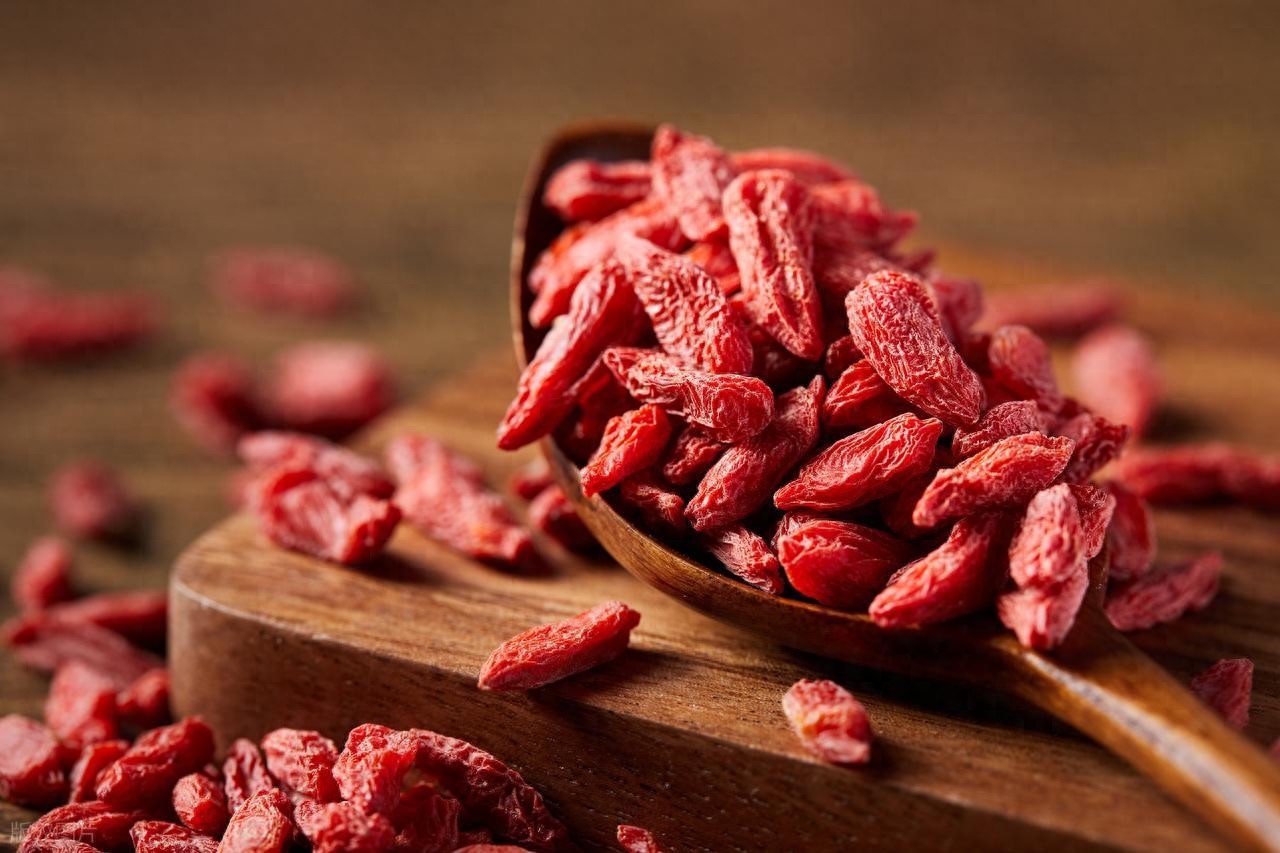
Although goji berries are good, they should not be overdosed. The recommended daily consumption is 20-30 grams, about 15-23 capsules, which can not only play a nourishing role, but also not burden the body. Many people think that "eat more and make up for more", eating a handful (more than 50 grams) a day, but it is easy to lead to anger, dry mouth, sore throat and other symptoms, especially for people with a hot constitution, excessive consumption will aggravate internal heat.
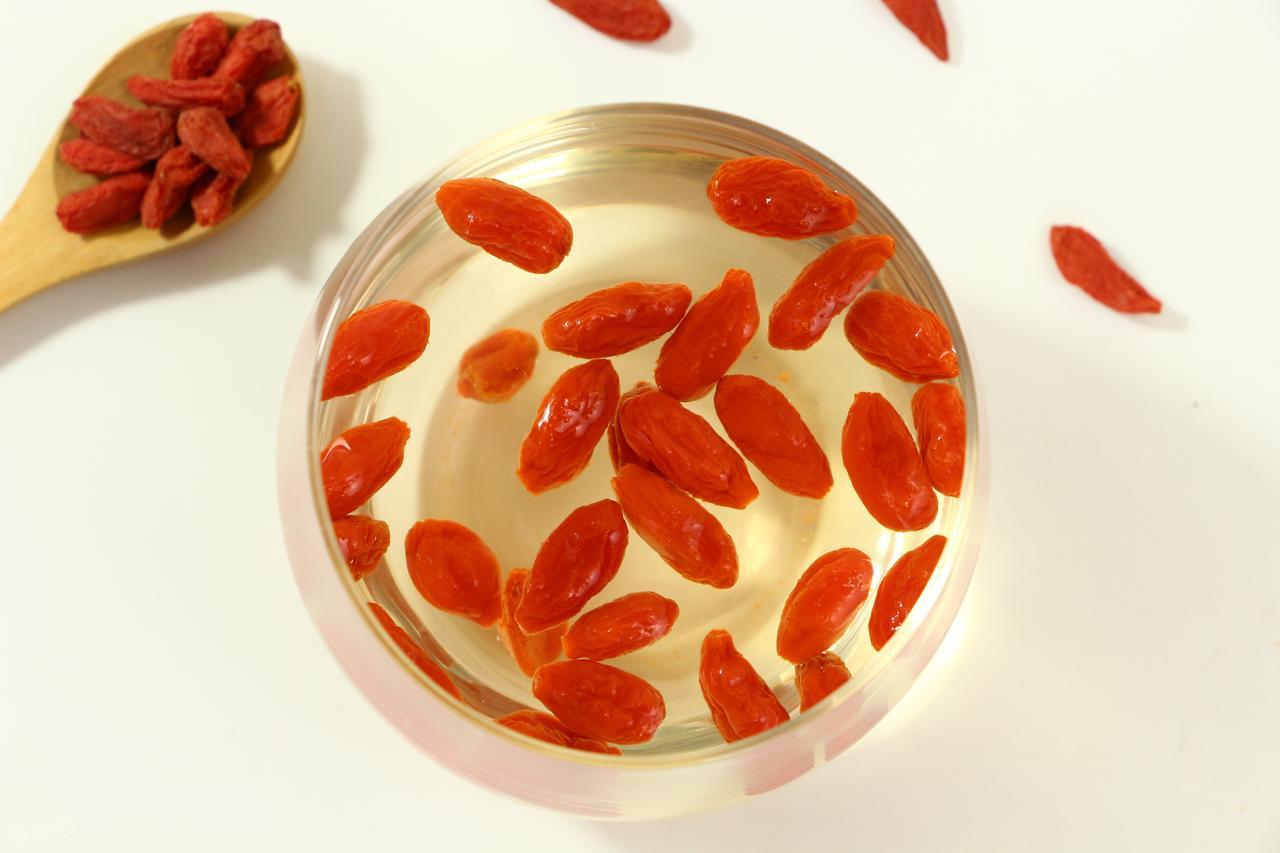
It can be divided into two parts, such as 10 in the morning and 10 in the evening, dry chewing or soaking in water. chew slowly when chewing dry to help absorption; When soaking in water, you can brew it repeatedly, and finally eat the soaked goji berries to avoid nutrient waste. Don't eat goji berries as snacks uncontrollably, otherwise not only will you not be able to replenish your kidneys, but it may also affect digestion.
2. Distinguish your physique before eating
Goji berries are warm and sweet, and are more suitable for people with weak physique and insufficient liver and kidneys. This type of person usually manifests as sore waist and knees, dizziness and tinnitus, blurred vision, insomnia and dreaminess, and cold hands and feet. Eating goji berries can nourish the liver and kidneys and benefit the purpose, and if you persist for a period of time, you may feel physical changes.
However, people with a hot physique and heavy humidity are not suitable for eating more, such as people who are prone to anger, dry mouth, dry stools, or bloating, sticky stools, and thick tongue coating. In addition, when you have a cold and fever or acute inflammation, do not eat wolfberry for the time being, so as not to affect the recovery of the body. If you are not sure about your physique, you can try a small amount first, observe the body's reaction, and eat regularly if there is no discomfort.
3. Choose the right way to eat
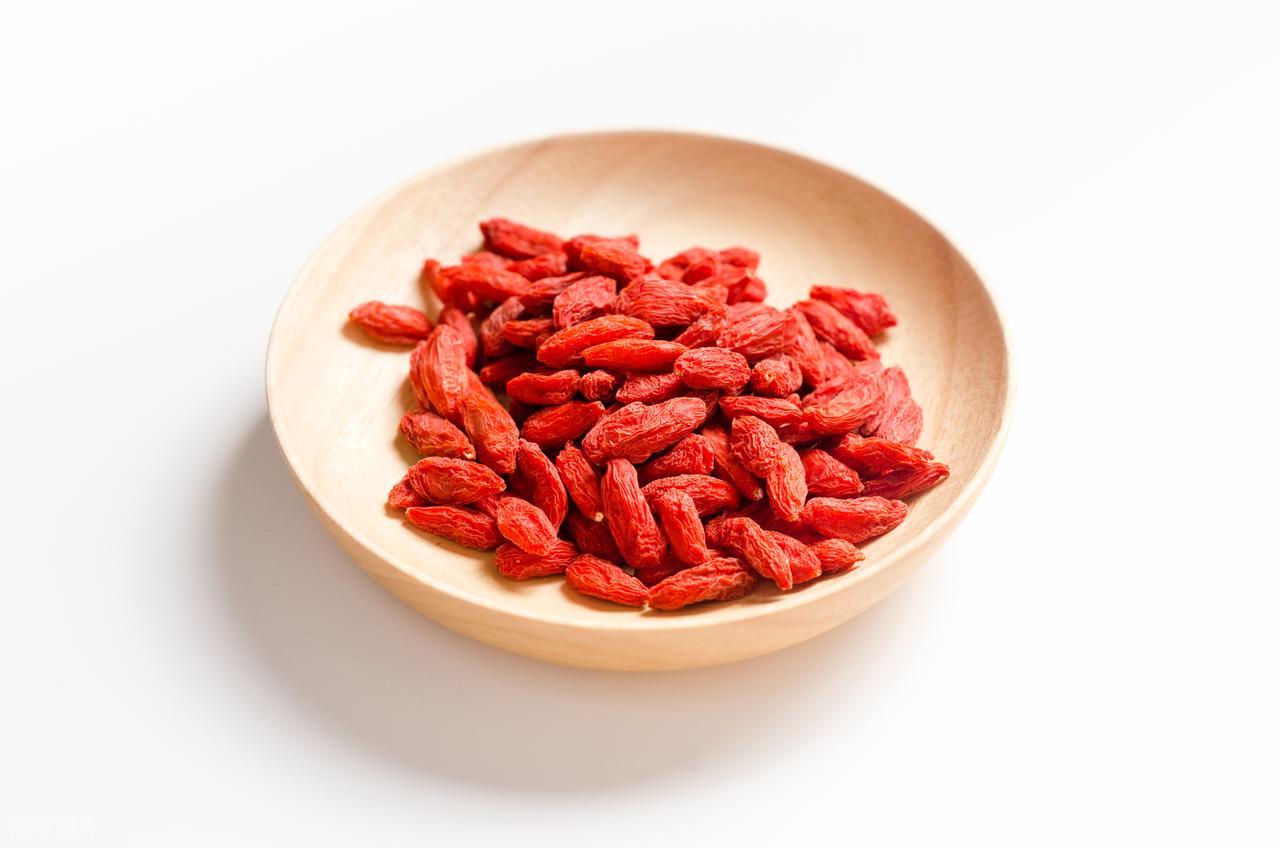
Different ways of eating, the nutrient absorption effect of wolfberry is different, and the proper combination can also enhance the kidney tonic effect. Dry chewing or soaking in water alone is the most common method, which is simple to operate and suitable for daily life. If you want to have a better effect, you can pair it with other ingredients, such as cooking porridge with yam and millet, yam also has the effect of strengthening the spleen and kidneys, and the nourishing effect is milder after matching; Or soak in water with longan and red dates, which is suitable for people with insufficient qi and blood and liver and kidney deficiency, which can take into account both nourishing qi and blood and nourishing the kidneys.
Be careful not to cook goji berries at high temperature for a long time, such as not cooking for more than 30 minutes when making soup, otherwise it will destroy the vitamins and other nutrients in it and reduce the nourishing effect. In addition, the sugar content of goji berries is not low, and diabetics should control their consumption, no more than 15 pieces a day, and it is best to eat between meals to avoid affecting blood sugar.
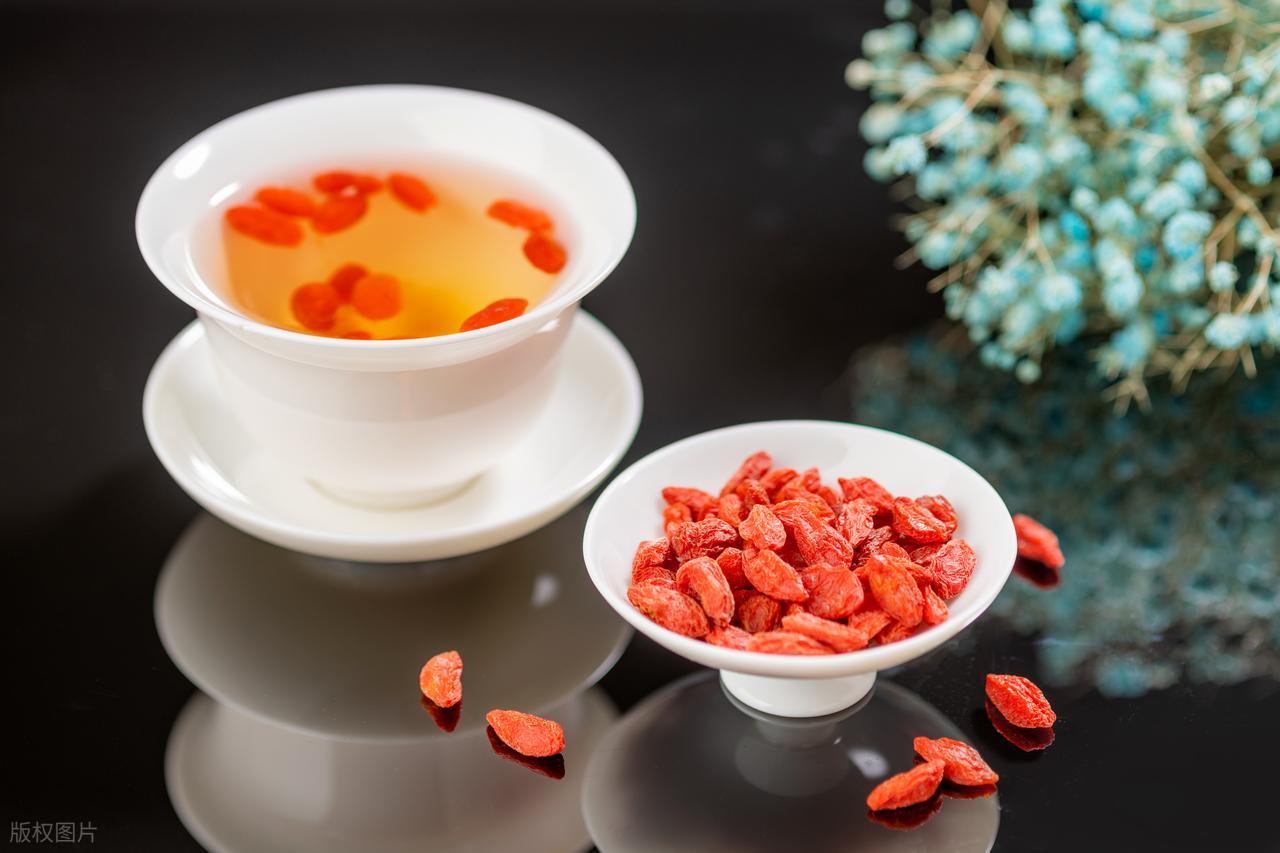
Eating goji berries to nourish the kidneys is a slow process, and you can't expect short-term results, and you usually need to stick to it for 1-3 months to feel the changes. Only by following the three principles of controlling the amount, dividing the physique, and choosing the right method can the nourishing effect of goji berries be fully utilized, otherwise it will be just a waste of effort to eat it again. If you are obviously unwell, don't just rely on eating goji berries to condition, seeking medical attention in time is the safest choice.