Two Chinese patent medicines to eliminate bitter mouth and bad breath, extinguish liver and stomach fire
In daily life, many people are troubled by recurring bitter mouth and bad breath—feeling bitter in the mouth upon waking up in the morning, experiencing lingering odors shortly after brushing teeth, and always worrying about others noticing when talking. In TCM, this is often a manifestation of excessive "internal heat," and the root cause is usually related to the liver and stomach.

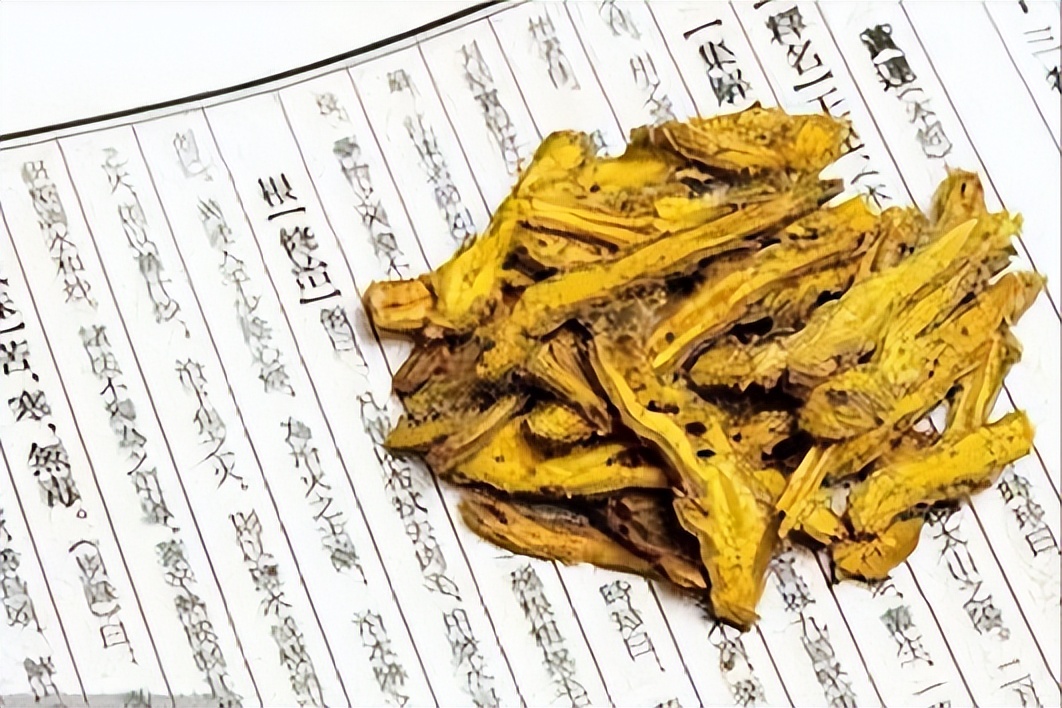
A bitter taste in the mouth is commonly seen in patterns of "Liver Fire Flaring" (gan huo wang). The liver governs free coursing and regulates emotional states, and its meridian passes through the throat region. When an individual experiences prolonged stress or emotional constraint, it can easily lead to Liver Qi Stagnation. This stagnation may transform into fire; as fire has a flaming upward nature, it can cause a bitter taste, particularly noticeable in the morning. Such individuals may also be accompanied by headaches and dizziness, red eyes, irritability, insomnia, and vivid dreams. The tongue is often red with a thin, yellow coating.A classic formula frequently used for this pattern is Zuo Jin Wan (Left Metal Pill). Comprising only two herbs—Huang Lian (Coptis Rhizome) and Wu Zhu Yu (Evodia Fruit)—this formula works synergistically: Huang Lian clears and drains liver fire, while Wu Zhu Yu soothes the liver and directs qi downward. Through the combined actions of clearing and descending, the formula collectively achieves the effects of clearing liver fire, harmonizing the stomach, and counteracting rebellious qi..
%% Bad breath is often caused by "excess stomach fire." The stomach governs reception and transformation, with its qi following a descending pattern. Overconsumption of spicy, greasy foods and excessive alcohol intake can accumulate heat in the stomach, causing turbid qi to rise to the mouth, resulting in bad breath. This is often accompanied by stomach discomfort, acid regurgitation, swollen gums, constipation, red tongue with yellow coating, and a wiry, rapid pulse. In such cases, Qing Wei Huang Lian Wan can be considered. Its formula contains multiple herbs like Huang Lian (Coptis chinensis) and Shao Gao (Gypsum) that clear and drain stomach fire, effectively cooling the stomach, detoxifying, and promoting the descent of stomach qi, thereby eliminating bad breath.
It should be noted that liver fire and stomach fire can coexist or influence each other. Chronic liver fire can also invade the stomach, leading to liver-gastric stagnation and heat, resulting in both bitter taste and bad breath.
In a clinical case, a 28-year-old designer patient, due to long hours of working under pressure and staying up late for project deadlines, developed significant bitter taste and bad breath, accompanied by stomach distension and constipation. Examination revealed a red tongue with a thick yellow coating and a wiry, rapid pulse, indicating a typical case of liver fire invading the stomach. The patient was advised to take Zuo Jin Wan orally along with a light diet and learn simple emotional regulation techniques. At a follow-up one week later, the bitter taste and bad breath were significantly reduced, and stomach discomfort was alleviated.

Lastly, it must be emphasized that the aforementioned medications are suitable for excess fire syndromes. If bad breath is accompanied by fatigue, poor appetite, pale tongue with white coating (indicating a cold deficiency pattern), it should not be used. It is recommended to use these medications under the guidance of a physician and to combine them with emotional regulation, a light diet, and regular sleep patterns to fundamentally address the issue.